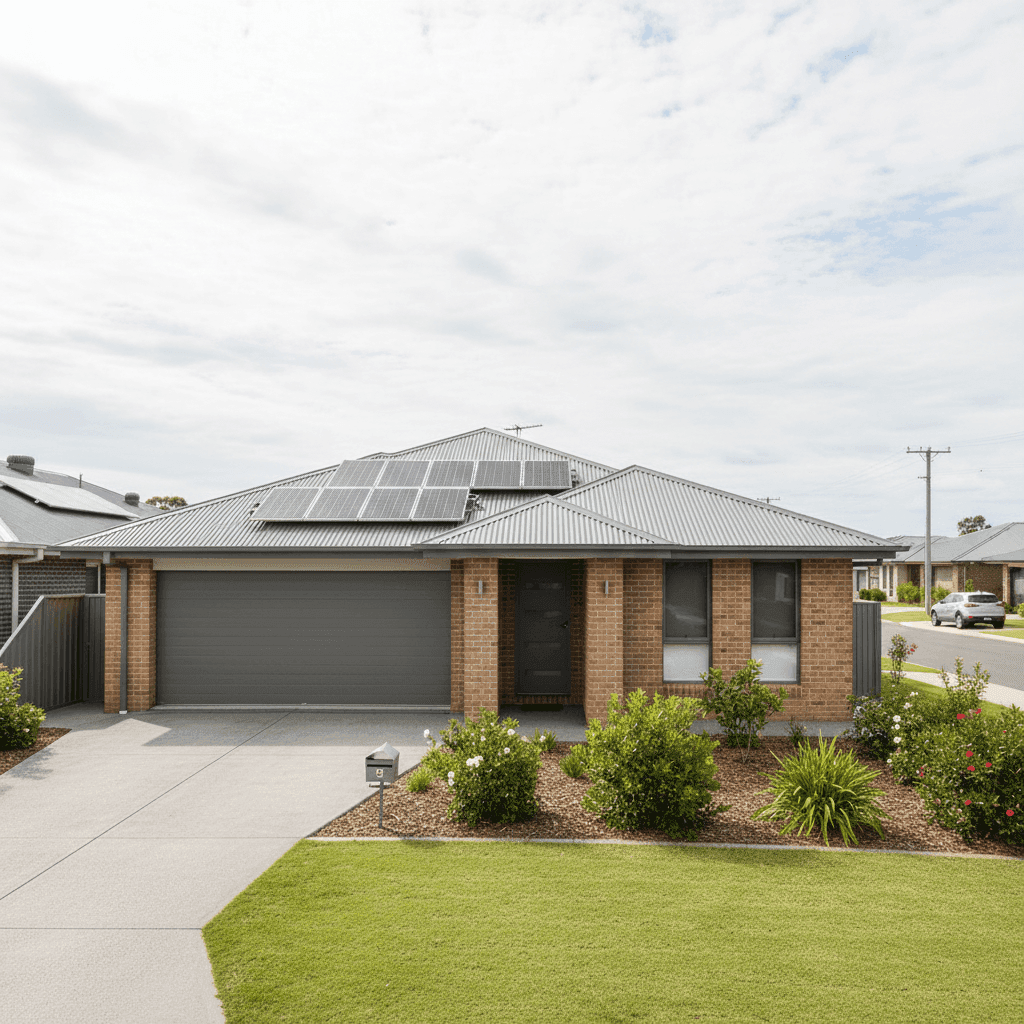
Banks Pocket is a quiet residential locality in Queensland's Fraser Coast region, and like many areas across the Sunshine State, home insurance costs here can vary significantly depending on your property's characteristics and the level of cover you choose. In this article, we break down a real home and contents insurance quote for a four-bedroom, free-standing home in Banks Pocket (postcode 4570) — and put it under the microscope to see whether it represents genuine value.
---
Is This Quote Fair?
The short answer: yes, and then some. This quote came in at $2,632 per year (or $245/month) for combined home and contents cover, and it earns a CHEAP — Below Average price rating. That's a strong result by any measure.
To put it in context:
- The Queensland state average for home insurance is $4,547/year, and the median sits at $3,931/year
- The national average is $2,965/year, with a national median of $2,716/year
- The Fraser Coast LGA average is even higher at $4,810/year
This quote sits comfortably below every one of those benchmarks — including the national median. For a property insured at $672,000 in building cover with $15,000 in contents, that's a notably competitive outcome. Homeowners in Queensland are often confronted with some of the steepest premiums in the country due to elevated weather risks, so landing a figure this far below the state average is worth paying attention to.
You can explore broader pricing trends for Queensland on the QLD home insurance stats page, or check out national home insurance benchmarks to see where your own quote sits in the bigger picture.
---
How Banks Pocket Compares
While suburb-level data for Banks Pocket isn't available at this stage, the regional and state figures tell a clear story. The Fraser Coast LGA records an average premium of $4,810/year — nearly $2,200 more than this quote. That gap is substantial, and it suggests this particular property profile and insurer combination is performing well against local norms.
Queensland as a whole tends to attract higher-than-average premiums nationally. Factors like tropical storm activity, flooding, and the sheer geographic diversity of the state all contribute to elevated risk pricing. The state average of $4,547 is more than 53% higher than the national average — a stark reminder of how much location can influence what you pay.
For this Banks Pocket property, the below-average result likely reflects a combination of favourable property characteristics (more on those below) and a competitive insurer match. You can dig into localised data as it becomes available on the Banks Pocket insurance stats page.
---
Property Features That Affect Your Premium
Insurance pricing isn't arbitrary — it's driven by the specific attributes of your home. Here's how the features of this property likely influenced the quote:
Brick Veneer Walls
Brick veneer is generally viewed favourably by insurers. It offers solid fire resistance and reasonable structural integrity, which can translate into lower risk ratings compared to timber-framed or clad exteriors. It's not as robust as full-brick construction, but it's a step above many alternatives.
Steel / Colorbond Roof
Colorbond roofing is a popular and practical choice across Queensland. It's lightweight, durable, and performs well in high-wind conditions. Insurers tend to rate it positively, particularly in areas where storm damage is a consideration. It's also non-combustible, which helps with fire risk assessments.
Slab Foundation
A concrete slab foundation is considered low-risk from an insurance standpoint. It's stable, resistant to subsidence in most soil conditions, and doesn't carry the underfloor exposure risks associated with raised or suspended floors.
Construction Year: 2005
Homes built in the mid-2000s benefit from relatively modern building codes, which incorporated improved standards for cyclone and storm resistance in Queensland. This vintage hits a sweet spot — modern enough to meet contemporary safety standards, but not so new that replacement costs are sky-high.
Solar Panels
The property includes solar panels, which are worth noting. Most standard home insurance policies cover solar panels as a fixture of the building, but it's always worth confirming this with your insurer. Panels can be costly to replace, so ensuring they're adequately captured within your sum insured is important.
Building Size: 214 sqm
At 214 square metres, this is a comfortably sized family home. The sum insured of $672,000 works out to roughly $3,140 per square metre — a reasonable figure for a standard-quality brick veneer build in regional Queensland, though it's worth periodically reviewing this against current construction costs.
Standard Fittings
With standard-quality fittings throughout, the rebuild cost estimate is unlikely to be skewed by high-end fixtures or bespoke finishes. This keeps the sum insured grounded and helps avoid over-insurance.
---
Tips for Homeowners in Banks Pocket
Whether you're reviewing an existing policy or shopping for the first time, here are a few practical steps worth taking:
1. Review Your Sum Insured Annually
Construction costs in Queensland have risen considerably in recent years. A sum insured set a few years ago may no longer reflect what it would actually cost to rebuild your home today. Use a building cost calculator or speak with a local builder to sense-check your figure — underinsurance can be a costly mistake.
2. Confirm Solar Panel Coverage
If your home has solar panels (as this one does), check your policy wording carefully. Some insurers include panels automatically as part of the building, while others require them to be listed separately. Make sure your coverage reflects the full replacement value of your system.
3. Don't Set and Forget Your Contents Sum
$15,000 in contents cover is on the lower end for a four-bedroom home. Take stock of your furniture, appliances, clothing, and electronics — it adds up faster than most people expect. An accurate contents valuation protects you from being caught short after a claim.
4. Compare at Renewal Time
Even if you're happy with your current premium, the insurance market shifts constantly. Insurers reprice risk regularly, and a quote that was competitive last year might not be the best available today. Running a comparison at renewal takes only a few minutes and could save you hundreds.
---
Ready to Compare Home Insurance in Banks Pocket?
Whether this quote matches your own situation or you're starting from scratch, comparing your options is always worthwhile. CoverClub makes it easy to see what's available for your specific property and get a clearer picture of what you should be paying.