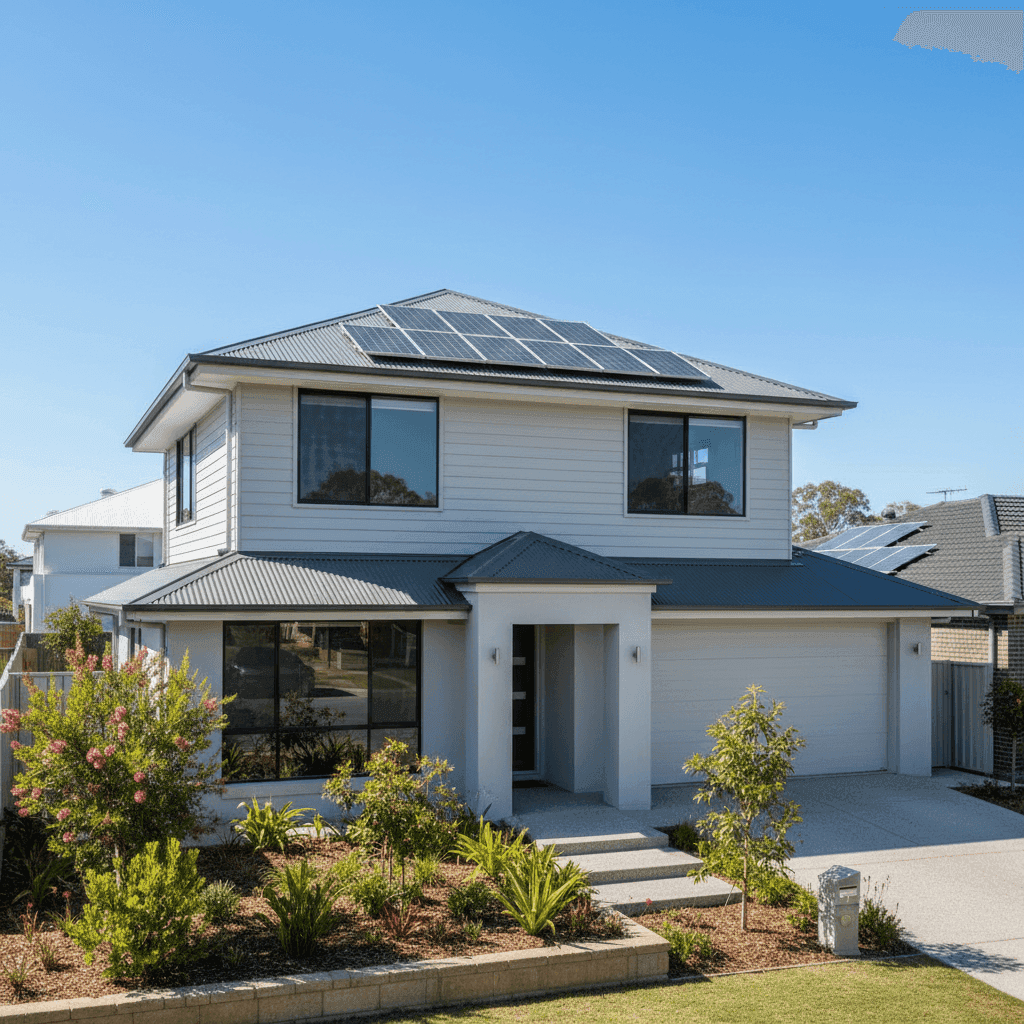
A three-bedroom free standing home in Banksia Beach, QLD 4507 — a relaxed coastal suburb on Bribie Island in the Sunshine Coast region — recently received a home and contents insurance quote of $2,124 per year (or $216/month). That figure covers a building sum insured of $583,000 and $50,000 in contents, with a building excess of $4,000 and a contents excess of $1,000.
So how does this quote actually stack up? Is it a genuine bargain, or are there hidden trade-offs worth understanding? Let's dig into the numbers.
---
Is This Quote Fair?
In short: yes — this is an excellent result. CoverClub rates this quote as CHEAP (Below Average), meaning it sits well under what most homeowners in the same suburb are paying for comparable cover.
At $2,124 per year, this premium lands below the suburb's 25th percentile of $3,167/yr — meaning it's cheaper than at least 75% of the 77 quotes collected for Banksia Beach. That's a meaningful benchmark. When a quote falls under the 25th percentile, it's not just slightly better than average — it's genuinely competitive.
The building excess of $4,000 is on the higher side and is a key reason the premium is as low as it is. A higher excess means the insurer carries less risk on smaller claims, which translates directly into a lower annual cost. Whether that trade-off suits you depends on your financial position and how likely you are to make a claim — but for homeowners who can comfortably absorb a $4,000 out-of-pocket expense in a loss event, this structure can make a lot of sense.
---
How Banksia Beach Compares
To appreciate just how competitive this quote is, it helps to zoom out and look at the broader pricing landscape.
| Benchmark | Premium |
|---|---|
| This quote | $2,124/yr |
| Banksia Beach 25th percentile | $3,167/yr |
| Banksia Beach median | $4,979/yr |
| Banksia Beach average | $8,007/yr |
| Sunshine Coast LGA average | $7,249/yr |
| QLD state median | $3,903/yr |
| QLD state average | $9,129/yr |
| National median | $2,764/yr |
| National average | $5,347/yr |
A few things stand out here. First, the suburb average of $8,007/yr is extraordinarily high compared to the median of $4,979/yr — a sign that some homeowners in Banksia Beach are paying very steep premiums, likely dragging the average upward. This kind of skew is common in coastal Queensland suburbs where flood, storm surge, and cyclone-adjacent risk factors can push certain properties into high-risk categories.
Second, this quote even undercuts the national median of $2,764/yr, which is a strong signal that the pricing is genuinely favourable — not just relative to the local market, but across Australia as a whole.
You can explore the full data for this postcode at CoverClub's Banksia Beach insurance stats page, or compare it against QLD-wide insurance data and national benchmarks.
---
Property Features That Affect Your Premium
The characteristics of this particular home play a meaningful role in arriving at this competitive premium. Here's how the key features factor in:
Hardiplank/Hardiflex external walls are a strong positive from an insurer's perspective. Fibre cement cladding is durable, fire-resistant, and holds up well in Queensland's humid subtropical climate. It's also less susceptible to rot and termite damage compared to traditional timber weatherboard, which can reduce the likelihood of structural claims.
Steel/Colorbond roofing is another tick in the right column. Colorbond is a tried-and-tested roofing material across Australia — it's lightweight, corrosion-resistant, and performs well in high-wind events. Insurers generally view it favourably compared to older materials like terracotta tiles or corrugated iron.
Slab foundation provides a stable, low-maintenance base that reduces subsidence and moisture ingress risk — both of which can be expensive to remediate.
Construction year of 2018 means this is a relatively modern home, built to current Australian building codes. Newer builds typically benefit from improved structural standards, better waterproofing, and modern electrical and plumbing systems — all factors that reduce claim frequency and severity.
Solar panels add a modest replacement cost to the building sum insured, but most standard home insurance policies in Australia include fixed solar systems as part of the building cover. It's worth confirming this with your insurer.
Ducted climate control is a significant contents and building item. Ducted systems are expensive to repair or replace, so it's important to ensure your sum insured adequately reflects the replacement cost of this infrastructure — particularly if it's a newer, high-capacity system.
The 214 sqm building size and standard fittings quality suggest a well-proportioned family home without the premium replacement costs associated with high-end finishes, which keeps the sum insured — and therefore the premium — at a reasonable level.
---
Tips for Homeowners in Banksia Beach
1. Review your sum insured regularly Building costs in Queensland have risen significantly over the past few years due to labour and material shortages. A sum insured of $583,000 for a 214 sqm home built to standard specifications is reasonable today, but it's worth reassessing annually to ensure you're not underinsured. Use a building cost calculator or speak with a quantity surveyor if you're unsure.
2. Understand your excess before you commit The $4,000 building excess in this quote is higher than many standard policies. Before accepting, make sure you're comfortable covering that amount out of pocket in the event of a claim. If cash flow is a concern, it may be worth comparing quotes with a lower excess — even if the annual premium is slightly higher.
3. Check your contents cover reflects reality $50,000 in contents cover is a common starting point, but it's easy to underestimate how much your belongings are actually worth. Walk through each room and consider furniture, appliances, electronics, clothing, and valuables. Many Australians discover they're significantly underinsured on contents when they actually sit down and tally it up.
4. Ask about inclusions for storm and water damage Banksia Beach is a coastal suburb and, while it sits outside a designated cyclone risk zone, it's still subject to severe storms and heavy rainfall events. Make sure your policy clearly covers storm damage, rainwater ingress, and storm surge (noting that flood cover is often a separate add-on). Don't assume — read the Product Disclosure Statement carefully.
---
Compare Your Own Quote
Whether you're a first-time buyer or a long-time Banksia Beach homeowner, it pays to know where your premium sits relative to the market. CoverClub makes it easy to see how your quote stacks up — with real data from thousands of properties across Australia.
Get a home insurance quote today at CoverClub and find out if you're getting the deal you deserve.