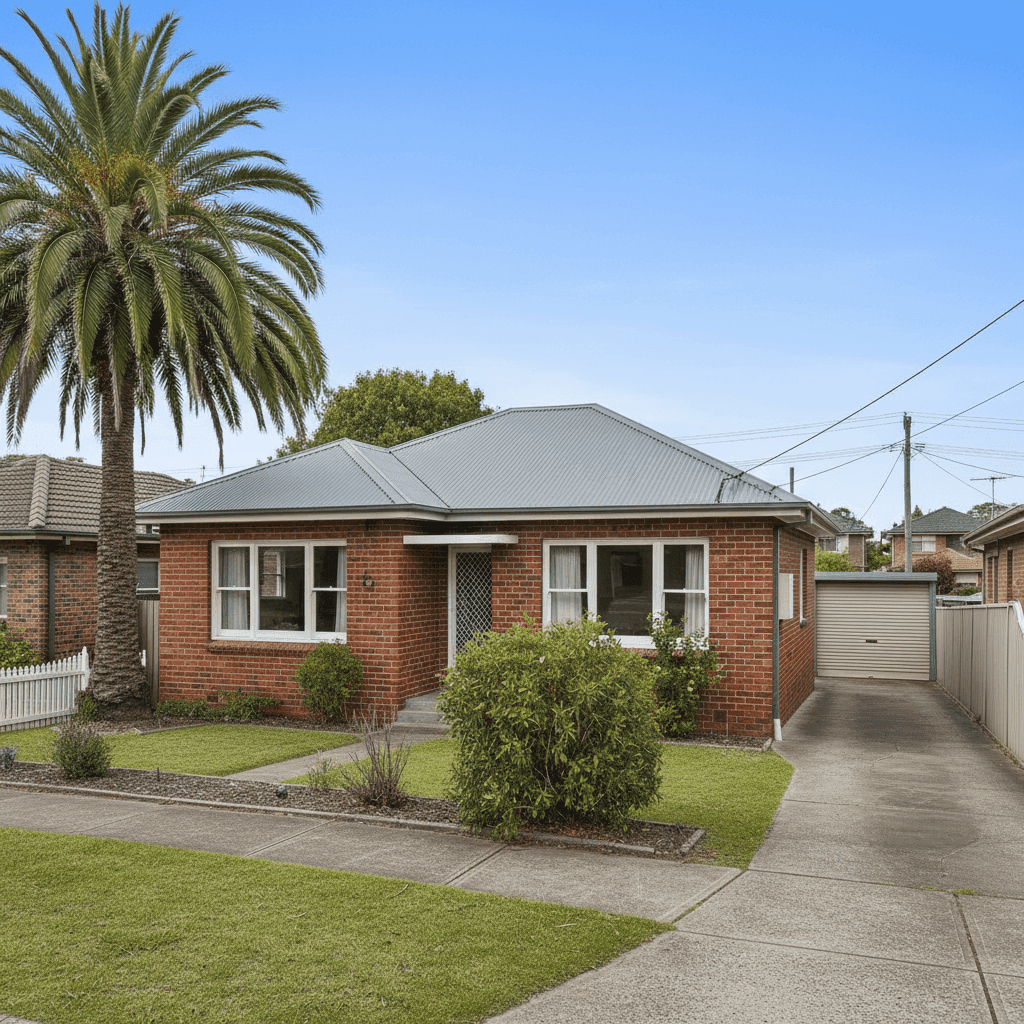
Bankstown is one of Sydney's most established inner-south-west suburbs — a dense, diverse community with a mix of older brick homes, newer developments, and everything in between. For owners of a free standing home in this part of NSW, understanding what you're actually paying for home insurance — and whether that price is fair — can make a real difference to your household budget.
This article breaks down a real home and contents insurance quote for a 2-bedroom, 1-bathroom free standing home in Bankstown (NSW 2200), compares it against local, state, and national benchmarks, and offers practical advice for homeowners in the area.
---
Is This Quote Fair?
The quote in question comes in at $1,678 per year (or roughly $161 per month) for combined home and contents cover. The building is insured for $300,000 and contents for $50,000, with a $1,000 excess applying to both building and contents claims.
Our price rating for this quote is CHEAP — below average — and the numbers back that up convincingly.
To put it in perspective:
- The NSW state average premium sits at $9,528/yr, with a median of $3,770/yr
- The national average is $5,347/yr, with a median of $2,764/yr
- The Canterbury-Bankstown LGA average is a striking $9,344/yr
At $1,678, this quote is paying less than half the national median, and sits dramatically below both the state and LGA averages. Even compared to the most favourable benchmark — the national median of $2,764 — this premium is around 39% cheaper.
For a homeowner in Bankstown, that's a genuinely strong result. Of course, premiums vary based on insurer, sum insured, excess choices, and the specific risk profile of a property — but by any reasonable measure, this quote represents excellent value.
---
How Bankstown Compares
Bankstown sits within the Canterbury-Bankstown Local Government Area, one of Sydney's most populous and densely built LGAs. Insurance pricing in this region tends to run high — the LGA average of $9,344/yr is nearly on par with the NSW state average, reflecting elevated risk factors common across inner-Sydney suburbs.
Here's how the key figures stack up:
| Benchmark | Average Premium | Median Premium |
|---|---|---|
| This quote | $1,678/yr | — |
| Canterbury-Bankstown LGA | $9,344/yr | — |
| NSW State | $9,528/yr | $3,770/yr |
| National | $5,347/yr | $2,764/yr |
You can explore more detailed premium data for the area on our Bankstown suburb stats page, or compare how NSW sits against the rest of the country on the NSW stats page and the national overview.
The wide gap between averages and medians at the state and LGA level suggests that a relatively small number of very high-premium properties are pulling the averages up significantly. This is common in areas where flood zones, high-value homes, or strata-heavy postcodes skew the data. For a modest 2-bedroom home with solid construction, landing well below these averages is entirely plausible — and this quote reflects that.
---
Property Features That Affect Your Premium
Several characteristics of this property work in the homeowner's favour when it comes to insurance pricing.
Double brick construction is one of the most insurance-friendly wall types available. Brick homes are more resistant to fire, wind damage, and general wear than timber-framed or clad alternatives. Insurers typically view double brick as lower risk, which can translate directly into lower premiums.
Steel/Colorbond roofing is another positive. Colorbond is lightweight, durable, and resistant to corrosion — and unlike older tile roofs, it doesn't crack or dislodge as easily in storms. It's a widely accepted roofing material among Australian insurers and generally doesn't attract any loading on premiums.
Slab foundation is standard for properties of this era and construction type, and doesn't present any unusual risk factors. Combined with tile flooring, the home has a fairly straightforward risk profile with no materials that would raise flags with underwriters.
The property was built in 1979, which places it in an era of solid construction but also means it's over 45 years old. Older homes can sometimes attract higher premiums due to ageing plumbing, wiring, or roofing — but given the double brick construction and Colorbond roof, this home appears to have held up well in terms of insurability.
The 105 sqm building size is modest, which helps keep the $300,000 sum insured reasonable. Overshooting the sum insured is a common and costly mistake — so it's worth ensuring the figure reflects actual rebuild costs rather than market value.
The property has ducted climate control, which adds some value to the building sum insured but is unlikely to significantly impact the premium on its own. The absence of a pool or solar panels simplifies the risk profile further.
---
Tips for Homeowners in Bankstown
1. Don't assume your neighbours are paying similar premiums The Canterbury-Bankstown LGA average of $9,344/yr shows just how widely premiums can vary. Your premium depends on your specific property, insurer, and cover choices — not just your postcode. Shopping around regularly is essential.
2. Review your sum insured annually Building costs in NSW have risen sharply over recent years. A $300,000 sum insured may be appropriate today, but it's worth revisiting each year to ensure it still reflects the actual cost of rebuilding your home from scratch — not its market sale price.
3. Consider your excess strategically This quote carries a $1,000 excess on both building and contents. Opting for a higher excess can reduce your annual premium, but make sure you could comfortably cover that amount out of pocket if you needed to make a claim. There's no one-size-fits-all answer here.
4. Check what's included in your contents cover At $50,000, the contents sum insured needs to accurately reflect everything inside your home — furniture, appliances, clothing, electronics, and valuables. Many Australians underestimate their contents value. A quick room-by-room inventory can help you avoid being underinsured when it matters most.
---
Ready to Compare?
Whether you're happy with your current premium or think there's room to do better, comparing quotes is always a smart move. At CoverClub, you can quickly see how different insurers price your specific property — and make sure you're getting the right cover at a fair price.