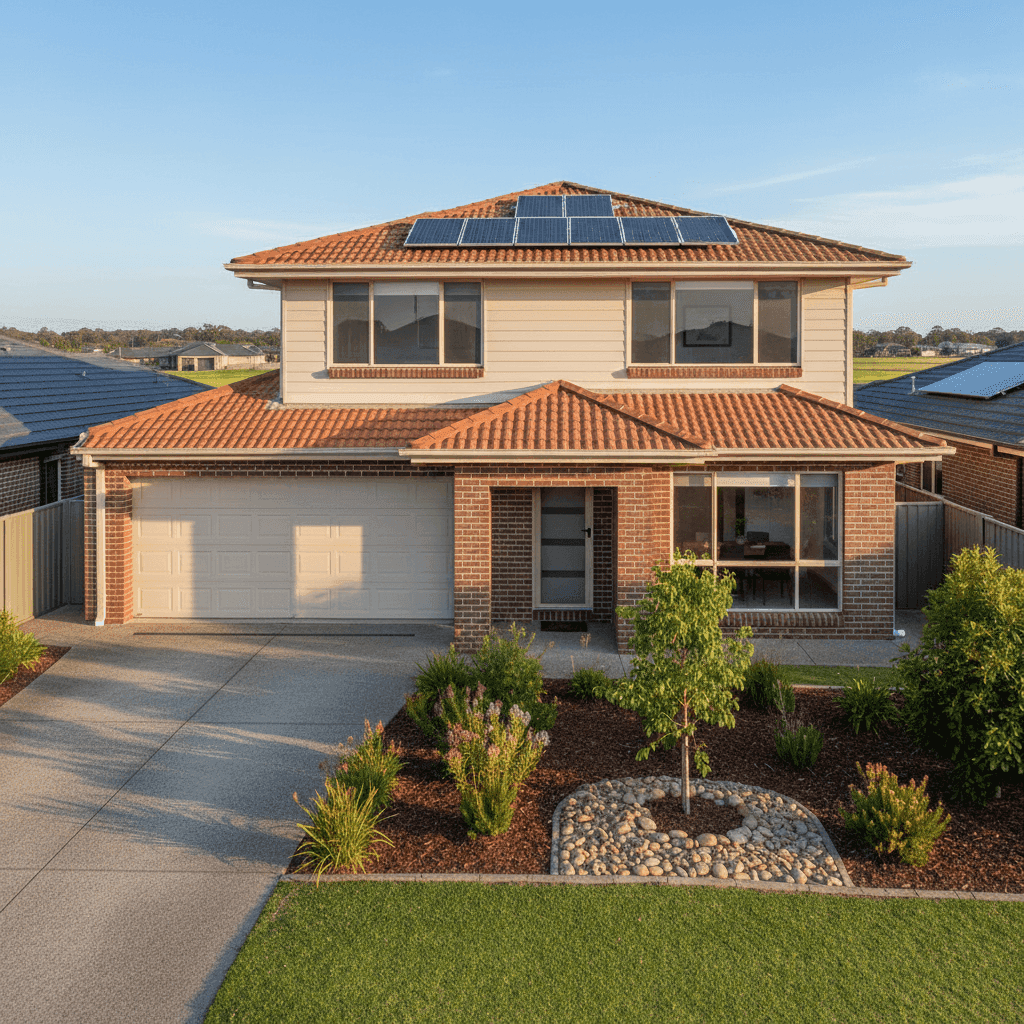
If you own a free standing home in Banora Point, NSW 2486, you're likely no stranger to the challenge of finding competitive home insurance. Nestled in the Tweed region of northern New South Wales, Banora Point is a popular residential suburb — but that desirable location comes with its own set of insurance considerations. This article breaks down a real home and contents insurance quote for a four-bedroom brick veneer home in the area, comparing it against local, state, and national benchmarks to help you understand what you should expect to pay.
---
Is This Quote Fair?
The quote in question comes in at $5,232 per year (or $513/month) for combined home and contents cover, with a building sum insured of $609,000 and contents valued at $50,000. The building excess is $2,000 and the contents excess is $1,000.
Our price rating for this quote is EXPENSIVE — above average.
To put that into perspective, the suburb average premium in Banora Point sits at $3,154/year, and the median is $2,963/year. This quote is approximately 66% above the suburb average and 76% above the suburb median, placing it well beyond the 75th percentile of $4,194/year for the area. In other words, the vast majority of comparable properties in Banora Point are being insured for considerably less.
That said, premium pricing is never one-size-fits-all. Factors like the specific insurer, the level of cover, optional extras, and individual property risk assessments all influence the final figure. Still, a premium this far above local norms warrants a closer look — and almost certainly a comparison shop.
---
How Banora Point Compares
Understanding where your suburb sits relative to broader benchmarks is a useful way to gauge whether you're in a high-risk area or simply overpaying.
| Benchmark | Average Premium | Median Premium |
|---|---|---|
| Banora Point (suburb) | $3,154/yr | $2,963/yr |
| Tweed LGA | $4,680/yr | — |
| NSW (state) | $3,801/yr | $3,410/yr |
| National | $2,965/yr | $2,716/yr |
A few things stand out here. First, the Tweed LGA average of $4,680/year is notably higher than both the NSW state average ($3,801) and the national average ($2,965). This suggests that insurers price properties in the Tweed region with elevated risk in mind — likely due to proximity to waterways, flood-prone land, and the region's exposure to severe weather events.
Interestingly, the Banora Point suburb average of $3,154 is actually below the NSW state average, which may reflect that certain pockets of the suburb carry lower individual risk profiles. However, the quote analysed here — at $5,232 — sits well above even the Tweed LGA average, suggesting this particular policy may not be competitively priced.
You can explore more local data on the Banora Point insurance stats page, compare figures across New South Wales, or see how the region stacks up against national averages.
---
Property Features That Affect Your Premium
Every property is unique, and insurers assess a range of physical characteristics when calculating your premium. Here's how the features of this particular home may be influencing the cost:
Brick Veneer Walls Brick veneer is generally viewed favourably by insurers. It offers solid fire resistance and durability compared to timber or cladding alternatives, which can sometimes translate to lower premiums. This feature is unlikely to be pushing the cost up.
Tiled Roof Terracotta or concrete tiles are a common roofing choice in the region and are generally considered a moderate-to-low risk material. They're durable in most weather conditions, though they can be susceptible to cracking under hail. Overall, this shouldn't be a significant premium driver.
Slab Foundation A concrete slab is a stable and widely accepted foundation type in Queensland and northern NSW. It offers good resistance to movement and is typically viewed positively by underwriters.
Construction Year: 1998 At around 26 years old, this home is relatively modern by Australian standards. Properties built after the mid-1990s generally comply with improved building codes, which can be a positive factor for insurers.
Solar Panels The presence of solar panels adds replacement value to the property and may slightly increase the building sum insured required. Some insurers include solar panels under building cover automatically, while others treat them as an optional extra — it's worth confirming exactly what's covered under this policy.
Ducted Climate Control Ducted air conditioning systems are a significant fixed asset and are typically covered under building insurance. Their inclusion can contribute to a higher sum insured, which in turn affects the premium.
Building Size: 139 sqm At 139 square metres, this is a mid-sized four-bedroom home. The building sum insured of $609,000 equates to roughly $4,381 per square metre, which is on the higher end for a standard brick veneer build in regional NSW. It may be worth reviewing whether the sum insured accurately reflects current rebuild costs in the area — both over-insurance and under-insurance carry risks.
---
Tips for Homeowners in Banora Point
1. Compare multiple quotes — seriously With this quote sitting 66% above the suburb average, there's a strong case for shopping around. Using a comparison platform like CoverClub makes it easy to see multiple quotes side by side without the legwork of contacting each insurer individually.
2. Review your sum insured carefully Make sure your building sum insured reflects the actual cost to rebuild your home — not its market value. Overstating the rebuild cost means you're paying more in premiums than necessary. Consider using a building cost calculator or consulting a quantity surveyor to get an accurate figure.
3. Adjust your excess to manage your premium A higher excess generally results in a lower annual premium. If you're financially comfortable covering a larger out-of-pocket cost in the event of a claim, increasing your excess from $2,000 to $2,500 or more could reduce your yearly outlay. Just make sure the excess remains manageable.
4. Ask about discounts for security and safety features Some insurers offer discounts for homes with monitored alarms, deadbolt locks, or smoke detectors. Given the home already has solar panels and ducted climate control, it's worth asking your insurer whether any installed safety features qualify for a premium reduction.
---
Ready to Find a Better Deal?
If your current home insurance premium feels steep, you're not alone — and you don't have to accept it. At CoverClub, we make it simple to compare home and contents insurance quotes from a range of Australian insurers, all in one place. Whether you're in Banora Point or anywhere else in the country, getting a more competitive quote could be just a few minutes away.