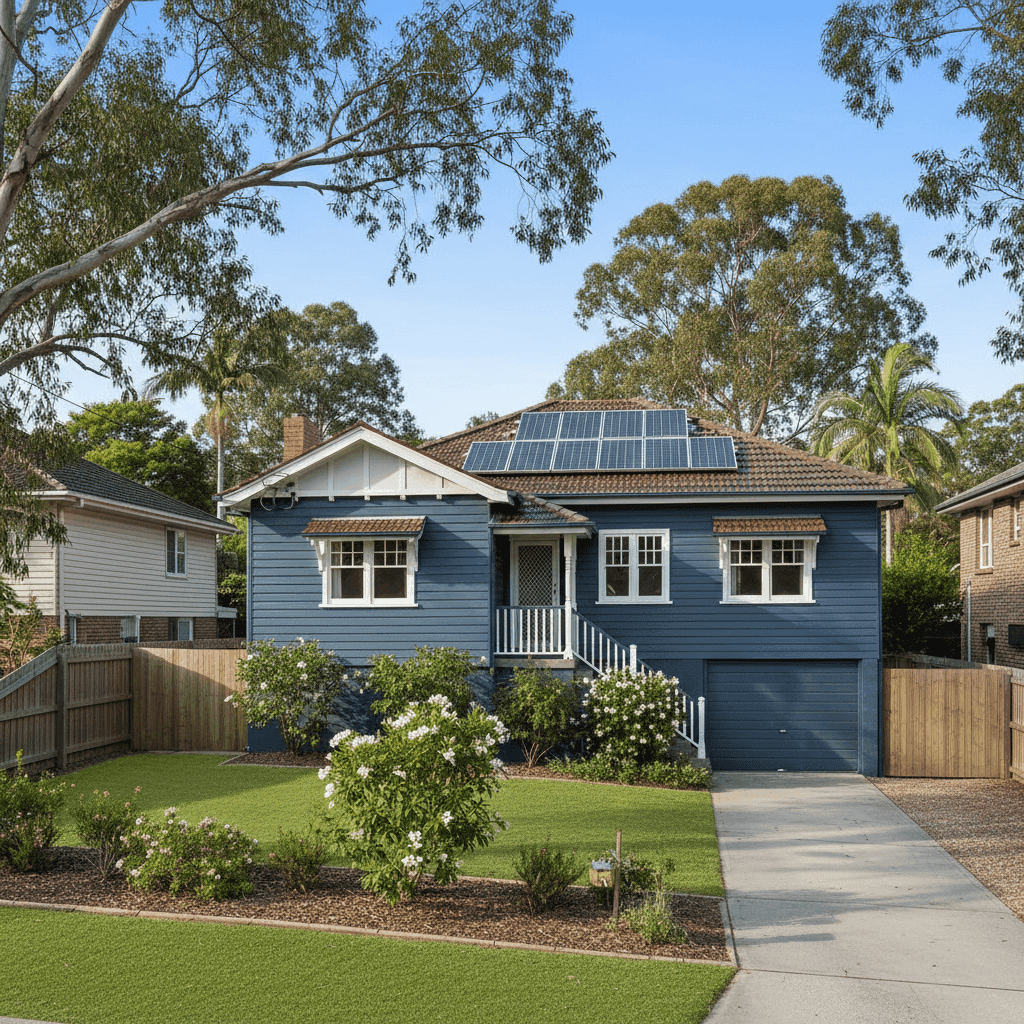
Banyo is a quiet, established suburb sitting about 12 kilometres north of Brisbane's CBD, popular with families drawn to its leafy streets, rail access, and relatively affordable housing. For owners of a free standing home in this postcode, understanding what you should be paying for home and contents insurance — and why — can make a real difference to your hip pocket. In this article, we break down a real quote for a five-bedroom, two-bathroom weatherboard home in Banyo QLD 4014, built in 1957, and put it under the microscope.
---
Is This Quote Fair?
The annual premium for this property came in at $3,305 per year (or $317 per month), covering both building and contents with a building sum insured of $993,000 and contents valued at $140,000. Both the building and contents excess are set at $2,000.
Our price rating for this quote is Expensive — Above Average.
To put that in context: the suburb average for Banyo sits at just $2,015 per year, with a median of $1,881. This quote lands roughly 64% above the suburb average and well above the 75th percentile of $2,572 — meaning it's pricier than at least three-quarters of comparable quotes we've seen in the area.
That said, "expensive" doesn't automatically mean "wrong." Several property-specific factors (explored below) can legitimately push a premium higher, and the sum insured here is substantial. Still, it's a clear signal that shopping around is worthwhile.
---
How Banyo Compares
Understanding where Banyo sits in the broader insurance landscape helps frame whether this premium is a local quirk or part of a wider trend.
| Benchmark | Average Premium | Median Premium |
|---|---|---|
| Banyo (QLD 4014) | $2,015/yr | $1,881/yr |
| Brisbane LGA | $16,277/yr avg | — |
| Queensland | $9,129/yr | $3,903/yr |
| National | $5,347/yr | $2,764/yr |
At first glance, those Brisbane LGA and Queensland state averages look alarming — but they're heavily skewed by high-risk properties in flood-prone, cyclone-affected, or coastal areas across the state. Banyo itself is not classified as a cyclone risk area, which is a meaningful advantage for residents here.
Compared to the Queensland state average of $9,129 per year, this quote of $3,305 is actually well below the state norm. And against the national average of $5,347, it also looks reasonable. The issue is specifically at the local level — within Banyo itself, this quote is on the higher end.
It's worth noting that the suburb sample size is 19 quotes, so while directionally useful, the local data is best treated as a guide rather than a definitive benchmark.
---
Property Features That Affect Your Premium
Several characteristics of this particular home are likely contributing to the elevated premium. Here's what insurers are typically weighing up:
Age of Construction (1957)
Homes built in the 1950s often carry higher rebuild risk. Older properties may have ageing plumbing, wiring, and structural elements that are costlier to repair or replace to modern standards. Insurers price this risk in.
Weatherboard Timber Walls
Weatherboard construction is common in Brisbane's older suburbs and is generally considered a higher risk material than brick veneer or double brick — particularly for fire. Timber walls can also be more susceptible to moisture ingress and termite damage over time, both of which factor into underwriting decisions.
Tiled Roof
Terracotta or concrete tile roofs are generally viewed favourably by insurers compared to older materials like asbestos sheeting or corrugated iron. Tiles are durable and relatively low-maintenance, which may help moderate the premium slightly.
Slab Foundation
A concrete slab foundation is typically a positive from an insurer's perspective — it's stable, resistant to subsidence, and less prone to the issues associated with older timber stumped homes common in this era.
Timber and Laminate Flooring
Timber flooring can be expensive to repair or replace after water damage or impact events, which may nudge contents and building costs upward at claim time.
Solar Panels
The presence of solar panels adds to the replacement cost of the building, which is reflected in the higher sum insured. Panels can also be damaged by hail or storms, adding a claims exposure that insurers account for.
Ducted Climate Control
Ducted air conditioning systems are expensive to repair or replace and contribute meaningfully to the overall building sum insured of $993,000 — a figure that's on the higher side for a 116 sqm home and is likely the single biggest driver of the premium.
Above-Average Fittings Quality
Above-average fittings — think quality kitchen appliances, premium tapware, engineered stone benchtops — increase the cost to rebuild or replace, which flows directly into the premium calculation.
---
Tips for Homeowners in Banyo
If you're a homeowner in Banyo looking to get better value from your insurance, here are four practical steps worth taking:
- Review your sum insured carefully. At $993,000 for a 116 sqm home, the building sum insured is high. While above-average fittings and ducted systems do add cost, it's worth getting an independent building replacement cost estimate to make sure you're not over-insured — which directly inflates your premium without adding real protection.
- Compare quotes annually. The home insurance market is competitive, and loyalty rarely pays. Using a comparison platform like CoverClub takes minutes and can reveal significantly cheaper options for the same level of cover.
- Consider your excess level. Both excesses here are set at $2,000. Increasing your excess further — if you're comfortable covering smaller claims out of pocket — can reduce your annual premium noticeably. Just make sure the saving justifies the additional out-of-pocket risk.
- Document your contents thoroughly. With $140,000 in contents cover, having a detailed home inventory (photos, receipts, serial numbers) stored securely off-site or in the cloud makes claims far smoother and helps ensure you're not under-insured on the things that matter most.
---
Ready to Find a Better Deal?
If this quote doesn't feel right for your situation, you don't have to accept it. CoverClub makes it easy to compare home and contents insurance options for properties across Banyo and greater Brisbane — so you can see what else is out there in minutes. Get a quote today and find out if you could be paying less for the same peace of mind.
For more suburb-level data and insights, explore the Banyo insurance stats page or browse Queensland-wide benchmarks to understand the bigger picture.