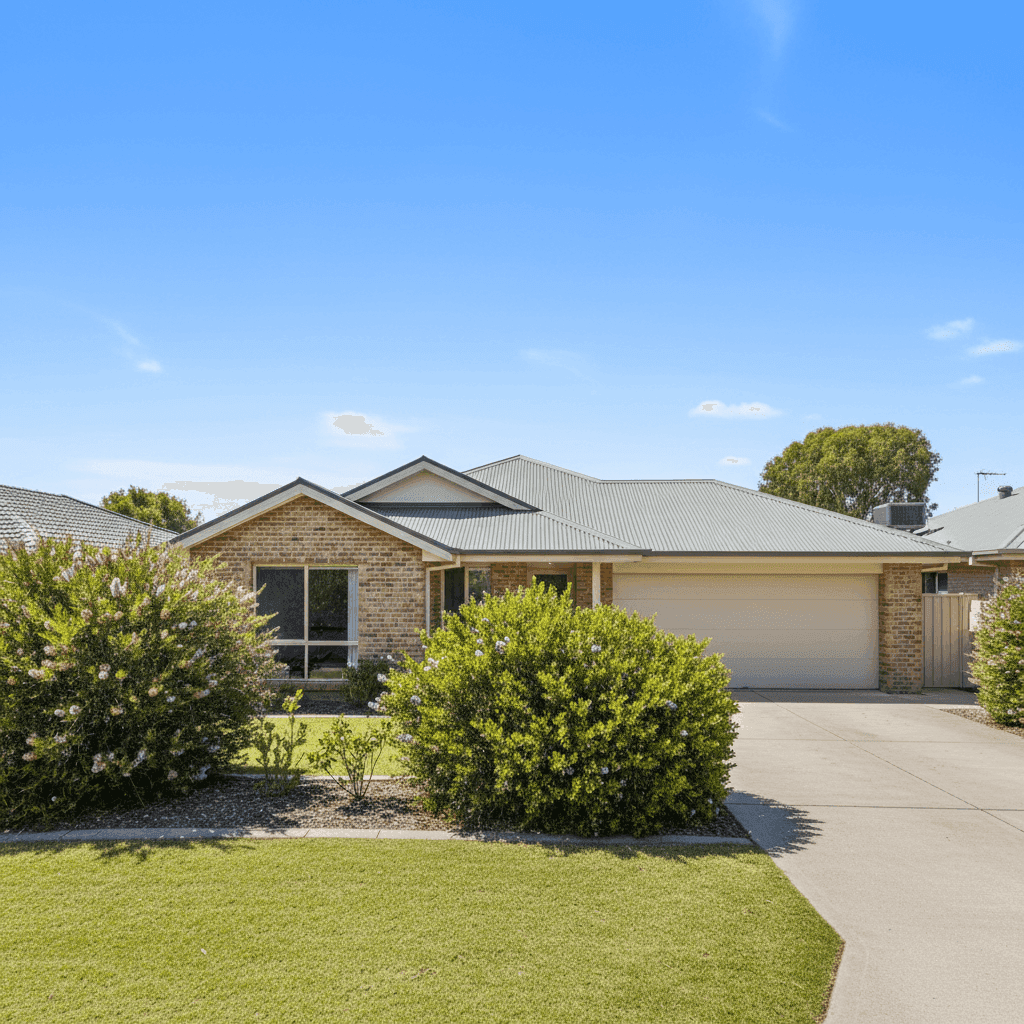
If you own a free standing home in Barham, NSW 2732, you're probably curious about what a fair home insurance premium looks like — and whether you're overpaying or getting a genuine deal. This article breaks down a real home and contents insurance quote for a three-bedroom brick veneer property in Barham, comparing it against local, state, and national benchmarks so you can make a more informed decision.
---
Is This Quote Fair?
The short answer: yes, and then some.
This quote came in at $1,675 per year (or around $161 per month) for combined home and contents cover — with a building sum insured of $470,000 and contents valued at $80,000. Both the building and contents excess sit at $2,000.
Our price rating for this quote is CHEAP — below average — meaning it sits well under what most homeowners in this area are paying. To put that in perspective, the suburb average premium in Barham is $4,581 per year, and the median sits at $3,083 per year. Even at the 25th percentile — meaning 75% of quotes are more expensive — Barham homeowners are still paying around $2,593 annually. This quote beats all of those benchmarks comfortably.
At the state level, the average NSW home insurance premium is $9,528 per year, though the median is a more grounded $3,770 per year. Nationally, Australians pay an average of $5,347 per year, with a median of $2,764 per year.
This quote at $1,675 per year sits below both the NSW and national medians — a strong result for a property of this size and specification.
---
How Barham Compares
Barham is a small riverside town in the Murray River region of southern NSW, situated on the border with Victoria. It's a quiet, low-density community — and that relative remoteness and lower risk profile tends to be reflected in insurance pricing.
Here's a quick snapshot of how premiums stack up across different benchmarks:
| Benchmark | Average Premium | Median Premium |
|---|---|---|
| Barham (NSW 2732) | $4,581/yr | $3,083/yr |
| NSW State | $9,528/yr | $3,770/yr |
| National | $5,347/yr | $2,764/yr |
| This Quote | — | $1,675/yr |
It's worth noting that the Murray River LGA average is a striking $24,396 per year — an unusually high figure that's likely skewed by a small number of very high-value or high-risk properties within the broader LGA. This is a good reminder that LGA-level data can be misleading, and suburb-level comparisons are far more useful when assessing your own situation.
For a deeper look at how Barham premiums are trending, visit the Barham suburb stats page. You can also explore NSW-wide insurance data or national home insurance statistics to broaden your context.
> Note: The Barham suburb sample size for this analysis is 13 quotes, so while directionally useful, these figures may shift as more data becomes available.
---
Property Features That Affect Your Premium
Every property is different, and insurers assess a range of physical characteristics when calculating your premium. Here's how the features of this particular home come into play:
Brick Veneer Walls Brick veneer is one of the most common external wall materials in Australian homes built from the 1970s onwards, and insurers generally view it favourably. It offers solid fire resistance and structural durability, which can help keep premiums lower compared to timber-framed or weatherboard homes.
Steel / Colorbond Roof A Colorbond steel roof is another tick in the right column. It's durable, low-maintenance, and performs well in a range of weather conditions. Compared to older tile roofs — which can crack, leak, or dislodge in storms — steel roofing tends to attract lower premiums.
Concrete Slab Foundation Slab-on-ground construction is generally considered stable and low-risk by insurers. It eliminates the underfloor void found in raised or stumped homes, reducing the risk of pest damage and certain types of moisture-related claims.
1995 Construction Year At around 30 years old, this home is in a sweet spot — modern enough to meet post-1990 building codes (which improved significantly after major storm events), but established enough that any early construction issues would have long since surfaced. This generally presents a neutral-to-positive risk profile.
139 sqm Building Size At 139 square metres, this is a modest but comfortable home. A smaller footprint means a lower rebuild cost, which is directly reflected in the sum insured and, consequently, the premium.
No Pool, No Solar, No Ducted Climate Control The absence of a pool removes a meaningful liability and maintenance risk. No solar panels means no specialist equipment to insure. And without ducted climate control, there's one less complex system that could fail or cause water damage. Each of these absent features contributes to a cleaner, simpler risk profile.
Carpet Flooring / Standard Fittings Standard fittings and carpet flooring keep the replacement cost of the home's interior relatively predictable. High-end finishes — stone benchtops, engineered timber floors, custom joinery — can significantly increase contents and building replacement costs. Standard fittings keep things straightforward.
---
Tips for Homeowners in Barham
Whether you're reviewing your existing policy or shopping around for the first time, here are a few practical steps worth taking:
1. Review your sum insured regularly Construction costs have risen sharply across Australia in recent years. The $470,000 building sum insured on this quote should be checked against current rebuild cost estimates — not the market value of the property. Many homeowners are underinsured without realising it. Use an online building cost calculator or speak to a local builder to get a realistic figure.
2. Consider a higher excess to reduce your premium Both the building and contents excess on this quote are set at $2,000. If you have the financial buffer to absorb a higher out-of-pocket cost in the event of a claim, increasing your excess can meaningfully reduce your annual premium. Just make sure the savings justify the risk.
3. Bundle building and contents cover This quote already combines home and contents insurance, which is typically more cost-effective than purchasing two separate policies. If you're currently holding them with different insurers, consolidating could save you money and simplify your claims process.
4. Compare quotes annually Insurance pricing changes year to year, and loyalty doesn't always pay. Even if your current insurer has been competitive, it's worth running a comparison at renewal time. Barham's relatively low premium environment means there may be genuine competition for your business — use that to your advantage.
---
Ready to Compare?
Whether this quote matches your own situation or you're starting from scratch, the best way to know if you're getting a fair deal is to compare. Head to CoverClub to get a home insurance quote tailored to your Barham property — it only takes a few minutes and could save you hundreds of dollars a year.