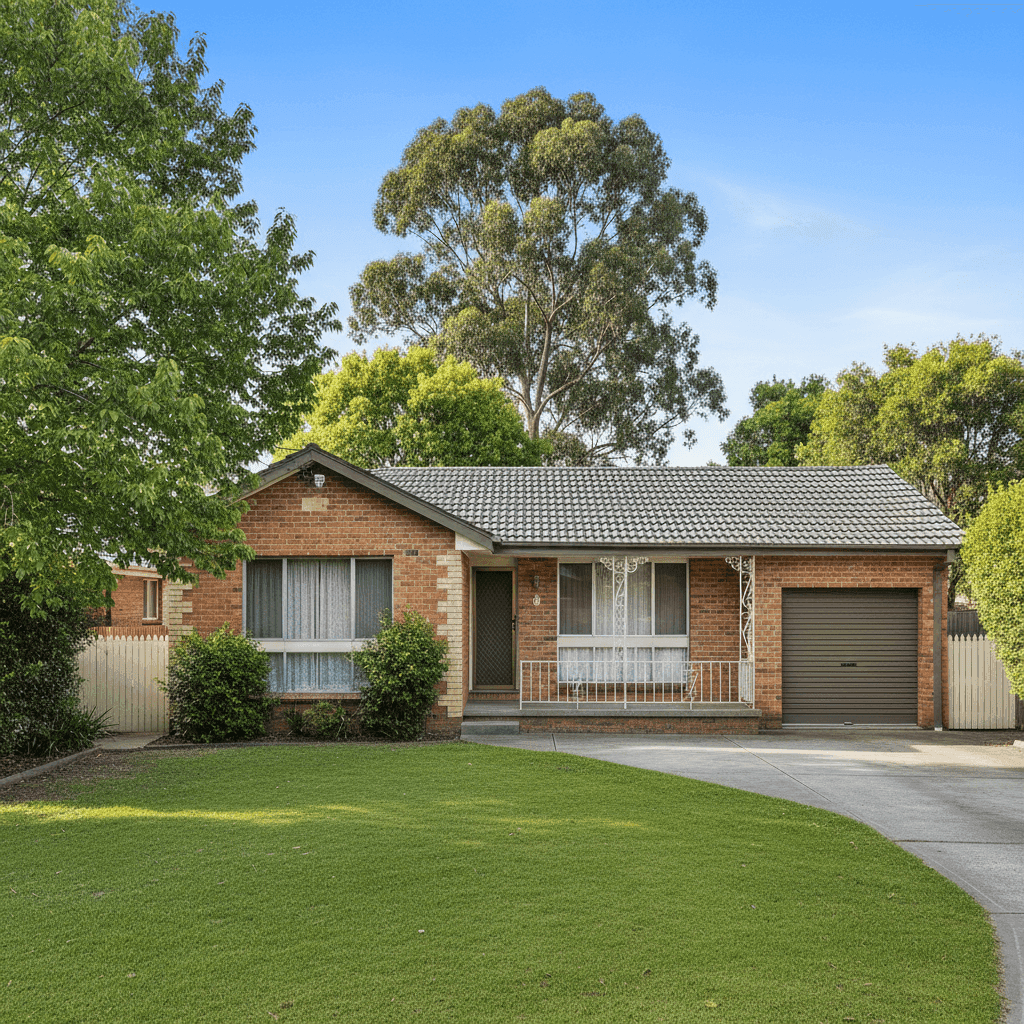
Baulkham Hills is one of Sydney's well-established north-western suburbs, known for its leafy streets, solid family homes, and strong community feel. If you own a free standing home here, understanding what you should be paying for building insurance — and why — can make a real difference to your household budget. This article breaks down a real building-only insurance quote for a 3-bedroom, 3-bathroom home in Baulkham Hills (postcode 2153) and puts it in context against local, state, and national benchmarks.
---
Is This Quote Fair?
The short answer: yes — and then some. This quote came in at $1,051 per year (or roughly $97 per month) for building-only cover with a $5,000 excess and a sum insured of $609,000. Our price rating for this quote is CHEAP, meaning it sits well below the average for the area.
To put that in perspective, the suburb average for Baulkham Hills sits at $2,252 per year, with a median of $2,285. That means this quote is less than half what most homeowners in the same postcode are paying. Even the cheapest quarter of quotes in the suburb — the 25th percentile — comes in at $1,415 per year, which is still $364 more expensive than this result.
A high excess of $5,000 is likely one of the key levers pulling the premium down. Opting for a higher excess is a legitimate strategy to reduce your annual outlay, provided you're comfortable covering that amount out of pocket in the event of a claim. For homeowners with a solid emergency fund, this trade-off can make strong financial sense.
---
How Baulkham Hills Compares
Zooming out beyond the suburb reveals just how well-priced this quote really is.
| Benchmark | Annual Premium |
|---|---|
| This quote | $1,051 |
| Baulkham Hills 25th percentile | $1,415 |
| Baulkham Hills average | $2,252 |
| Baulkham Hills median | $2,285 |
| Baulkham Hills 75th percentile | $3,099 |
| LGA (Parramatta) average | $2,048 |
| NSW average | $3,801 |
| NSW median | $3,410 |
| National average | $2,965 |
| National median | $2,716 |
(Based on 42 quotes collected for the Baulkham Hills area.)
Compared to the NSW state average of $3,801, this quote represents a saving of over $2,700 annually — that's a significant chunk of money staying in the homeowner's pocket. Even against the national average of $2,965, the difference is stark.
It's worth noting that NSW premiums are generally elevated compared to the national average, driven by factors like storm risk, ageing infrastructure in some areas, and the high cost of rebuilding in Sydney. Baulkham Hills itself sits within the Hills District, which is not considered a high-risk area for events like flooding or cyclones — and that's reflected in the suburb's more moderate average premiums relative to the broader state figure.
---
Property Features That Affect Your Premium
Several characteristics of this particular property work in the homeowner's favour when it comes to insurance pricing.
Brick Veneer Construction Brick veneer is one of the most common wall materials in Australian suburban homes built from the 1970s through to the 1990s, and insurers generally view it favourably. It offers good fire resistance and structural durability, which can translate to lower risk in the eyes of underwriters.
Tiled Roof Terracotta or concrete tiles are considered a robust roofing material. They're less susceptible to fire than some alternatives and tend to perform well in moderate weather conditions. Homes with tile roofs often attract more competitive premiums than those with materials like Colorbond in certain risk categories — though this can vary by insurer.
Slab Foundation A concrete slab foundation is generally seen as low-risk for subsidence and structural movement, particularly in stable suburban soil conditions like those found across much of Baulkham Hills.
Construction Year: 1985 At around 40 years old, this home is well past the point of being "new," but it's also not in the category of very old dwellings (pre-1960s) that can attract loading for ageing materials and non-compliant wiring or plumbing. Homes of this era are typically well-understood by insurers.
Top-of-the-Range Fittings This is one factor that can push premiums upward. High-end fittings — think stone benchtops, premium appliances, designer fixtures — cost more to repair or replace, which increases the insurer's exposure. Despite this, the overall quote remains very competitive.
Ducted Climate Control Ducted air conditioning systems add value to a property but also represent a potential claim item. Their inclusion in the insured building is appropriate and is factored into the sum insured.
No Pool, No Solar Panels The absence of a pool removes a liability and maintenance risk factor. Solar panels, while increasingly common, can complicate roof claims and add replacement costs. Neither being present here keeps things straightforward for the insurer.
No Cyclone Risk Baulkham Hills is not in a designated cyclone risk zone, which eliminates one of the more significant premium loading factors that affect properties in northern Queensland and parts of Western Australia.
---
Tips for Homeowners in Baulkham Hills
1. Review your sum insured regularly Construction costs have risen sharply in recent years. A sum insured of $609,000 for a 153 sqm home with top-of-the-range fittings may be appropriate today, but it's worth reassessing annually. Underinsurance is a common and costly mistake — if your home costs more to rebuild than your policy covers, you'll be out of pocket for the difference.
2. Understand the excess trade-off This quote carries a $5,000 building excess, which is on the higher end. If a claim arises from a relatively minor event — say, storm damage to a fence or a broken window — you may find it's not worth claiming at all. Make sure your emergency fund can comfortably absorb this amount before locking in a high-excess policy.
3. Compare quotes at renewal time Insurance loyalty rarely pays. Premiums can shift significantly from year to year, and what's competitive today may not be next renewal. Use a comparison tool like CoverClub to benchmark your renewal offer before accepting it.
4. Don't overlook building-specific risks While Baulkham Hills isn't a flood or cyclone zone, it does experience severe thunderstorms, hail events, and occasional bushfire risk at its western fringe. Ensure your policy covers storm and hail damage, and check whether bushfire is included as standard or requires an add-on.
---
Compare Your Own Quote
Whether you're a first-time buyer or a long-term homeowner in Baulkham Hills, it pays to know what the market looks like. The quote analysed here is an excellent result — but your property, your fittings, and your risk profile are unique, and your premium should reflect that.
Get a building insurance quote at CoverClub and see how your current policy stacks up against the market. With suburb-level data across Australia, CoverClub gives you the context to make a genuinely informed decision — not just a guess.