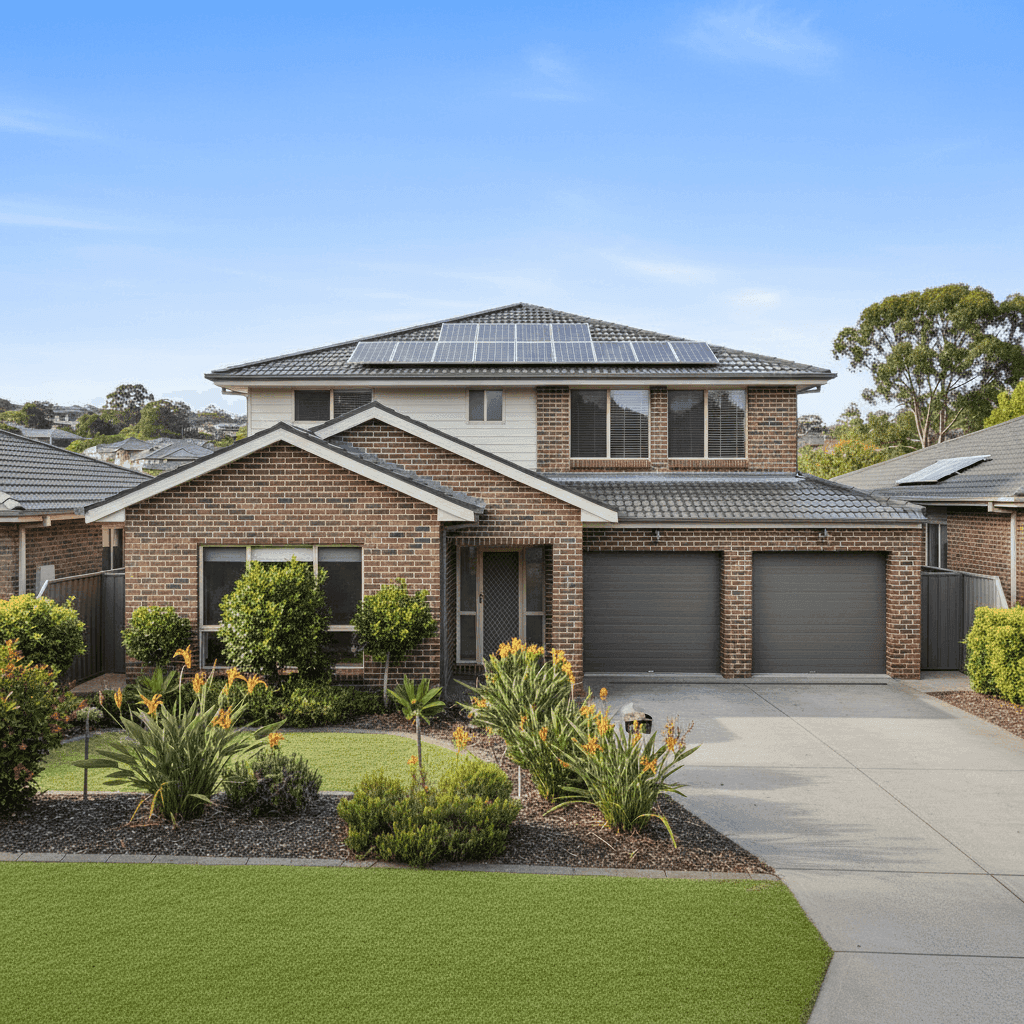
Baulkham Hills is one of Sydney's most established family-friendly suburbs, sitting in the Hills District of north-western Sydney. With tree-lined streets, well-maintained brick homes, and a strong sense of community, it's no surprise that properties here are highly valued — and that protecting them with the right home insurance is a priority for local homeowners. This article breaks down a real home and contents insurance quote for a four-bedroom free standing home in Baulkham Hills (NSW 2153), and puts the numbers into context so you can judge whether you're getting a fair deal.
---
Is This Quote Fair?
The quote in question comes to $2,608 per year (or $256/month) for combined home and contents cover, with a building sum insured of $934,000 and contents valued at $93,000. Both the building and contents excess sit at $1,000 — a fairly standard arrangement.
Our price rating for this quote is FAIR — Around Average. That assessment is backed by data from 42 quotes collected for properties in the Baulkham Hills area. The suburb average sits at $2,252/yr and the median at $2,285/yr, which means this quote lands roughly $356 above the local average. However, it's well within the suburb's interquartile range — the 25th percentile is $1,415/yr and the 75th percentile is $3,099/yr — so it's not an outlier by any stretch.
In short, you're not being overcharged, but there may be room to sharpen the price depending on the insurer and the specific coverage terms on offer.
---
How Baulkham Hills Compares
One of the more reassuring aspects of this quote is how favourably Baulkham Hills stacks up against broader benchmarks. Here's a quick snapshot:
| Benchmark | Average Premium | Median Premium |
|---|---|---|
| Baulkham Hills (2153) | $2,252/yr | $2,285/yr |
| LGA (Parramatta) | $2,048/yr | — |
| NSW State | $3,801/yr | $3,410/yr |
| National | $2,965/yr | $2,716/yr |
Baulkham Hills homeowners are paying significantly less than the NSW state average of $3,801/yr — a difference of around $1,500 annually. Even compared to the national average of $2,965/yr, the suburb comes out ahead. This reflects the relatively lower risk profile of the area: no cyclone exposure, a stable suburban environment, and generally well-built housing stock.
Interestingly, the Parramatta LGA average ($2,048/yr) is slightly below the Baulkham Hills suburb average, which may reflect the broader mix of property types and values across the LGA. For detailed local stats, you can explore the Baulkham Hills insurance data on CoverClub.
The quote of $2,608/yr sits above the suburb median but comfortably below both state and national benchmarks — a reasonable position for a well-appointed four-bedroom home with a high building sum insured.
---
Property Features That Affect Your Premium
Every property has its own risk profile, and the characteristics of this home play a meaningful role in determining the premium. Here's how the key features come into play:
Brick Veneer Construction & Tiled Roof Brick veneer walls and a tiled roof are a classic combination in Australian suburban homes, and insurers generally view them favourably. Both materials offer solid fire resistance and durability compared to timber weatherboard or metal cladding, which can help keep premiums in check.
Slab Foundation A concrete slab foundation is low-maintenance and resistant to subsidence issues that can affect older pier-and-beam homes. It's a neutral-to-positive factor from an underwriting perspective.
Timber and Laminate Flooring Flooring type matters more for contents and internal damage claims than for structural risk. Timber and laminate floors can be costly to repair or replace after water damage, which is worth keeping in mind when reviewing your contents cover.
Solar Panels Solar panels are increasingly common on Australian rooftops, but they do add complexity to a home insurance policy. Panels can be damaged by hail, storms, or falling debris, and some insurers include them under building cover while others may require specific endorsement. It's worth confirming exactly how your policy treats solar panels — both for damage to the panels themselves and for any liability arising from electrical faults.
Ducted Climate Control A ducted air conditioning system is a significant fixed asset that forms part of the building. At $934,000 sum insured, it's likely already factored in, but it's worth ensuring your building replacement cost estimate accounts for the full system.
Construction Year: 1993 A home built in 1993 is around 30 years old — mature enough to potentially have ageing components (roofing, plumbing, electrical) but not so old as to attract the heavy loading that heritage or pre-1970s homes might. Regular maintenance is key to keeping your risk profile clean.
No Pool, No Cyclone Risk The absence of a pool removes a common liability exposure, and being outside a cyclone risk zone keeps the premium from attracting the significant loadings seen in parts of Queensland and northern Australia.
---
Tips for Homeowners in Baulkham Hills
1. Review Your Building Sum Insured Annually Construction costs have risen sharply in recent years across NSW. A sum insured of $934,000 may have been accurate when the policy was first taken out, but it's worth cross-checking against current rebuild cost calculators or getting an independent valuation. Being underinsured is one of the most common and costly mistakes homeowners make.
2. Clarify Solar Panel Coverage Don't assume your solar panels are automatically covered. Contact your insurer and ask specifically: Are the panels covered under building? What's the limit? Is storm and hail damage included? Getting this in writing can save significant stress after a weather event.
3. Shop Around at Renewal Time A "Fair" rating means this quote is reasonable — but not necessarily the best available. The spread between the 25th percentile ($1,415/yr) and 75th percentile ($3,099/yr) in Baulkham Hills is wide, which tells you there's genuine price variation in the market. Comparing quotes from multiple insurers at renewal could save hundreds of dollars without sacrificing cover quality.
4. Consider Your Excess Strategy Both the building and contents excess are set at $1,000. Opting for a higher excess — say $2,000 — can meaningfully reduce your annual premium. This is worth considering if you have the financial buffer to cover a larger out-of-pocket amount in the event of a claim.
---
Ready to Compare?
Whether you're reviewing your current policy or shopping for cover on a new property, comparing quotes is the smartest first step. Get a home insurance quote at CoverClub and see how your premium stacks up against real data from your suburb and across Australia. It only takes a few minutes and could save you a significant amount at renewal time.