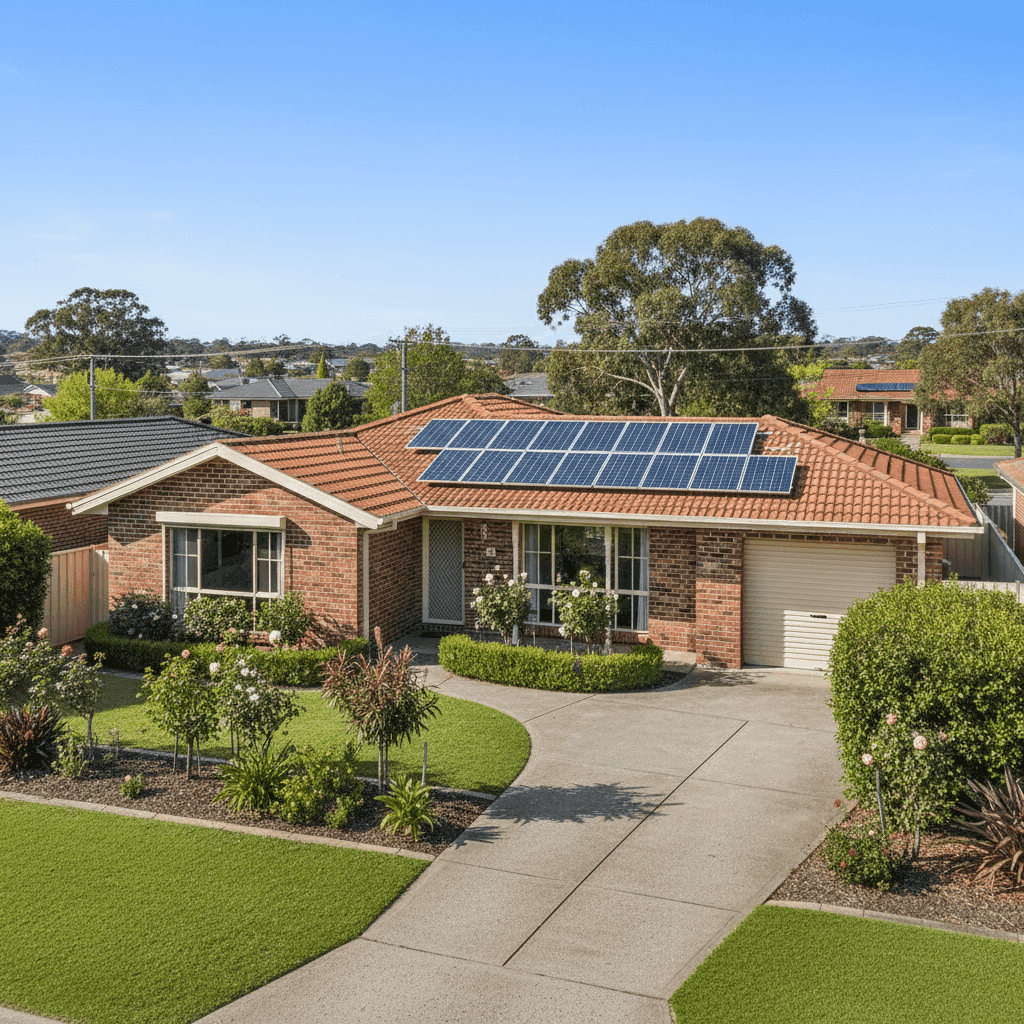
Baulkham Hills is one of Sydney's most established family-friendly suburbs, sitting in the Hills District of New South Wales. With tree-lined streets, quality schools, and a mix of older and newer housing stock, it's no surprise that many homeowners here are invested in protecting what is likely their most valuable asset. This article breaks down a real home and contents insurance quote for a four-bedroom, free-standing home in Baulkham Hills (postcode 2153) — and helps you understand whether the price stacks up.
---
Is This Quote Fair?
The annual premium for this property came in at $1,677 per year (or roughly $158 per month), covering a building sum insured of $737,000 and contents valued at $142,000. The building excess is $2,000 and the contents excess is $1,000.
Our pricing analysis rates this quote as Fair — Around Average. That might sound underwhelming, but in the context of home insurance pricing in NSW, sitting near the middle of the market is actually a reasonable outcome — especially given the level of cover on offer.
To put it in perspective, the cheapest quarter of quotes in Baulkham Hills come in at or below $1,415 per year, while the most expensive quarter exceed $3,099. This quote lands just above the lower quartile threshold, meaning it's more competitive than the majority of quotes seen in the suburb. It's not the cheapest available, but it's well below the suburb average of $2,252 and the median of $2,285 — which is a meaningful saving of around $575 to $608 per year.
---
How Baulkham Hills Compares
When you zoom out and look at the broader picture, this quote becomes even more attractive. Based on data from 42 quotes collected for Baulkham Hills, here's how the local market looks:
| Benchmark | Premium |
|---|---|
| This Quote | $1,677/yr |
| Suburb Average | $2,252/yr |
| Suburb Median | $2,285/yr |
| LGA (Parramatta) Average | $2,048/yr |
| NSW State Average | $3,801/yr |
| NSW State Median | $3,410/yr |
| National Average | $2,965/yr |
| National Median | $2,716/yr |
The gap between this quote and the NSW state average is striking — at $3,801 per year, the average NSW homeowner is paying more than double what this quote costs. Even compared to the national average of $2,965, this quote represents a saving of nearly $1,300 annually.
Much of this difference comes down to geography. Baulkham Hills benefits from relatively low natural disaster risk compared to coastal, flood-prone, or bushfire-exposed areas elsewhere in NSW. Premiums in northern NSW, for example, can be significantly higher due to cyclone and flood exposure — risks that simply don't apply here.
That said, the Hills District is not entirely without risk. Bushfire risk can be a factor for properties near bushland, and storm damage — particularly from hail — is a known concern in Sydney's west. The fact that this property sits well below both state and national benchmarks suggests the insurer has assessed it as a relatively low-risk property.
---
Property Features That Affect Your Premium
Several characteristics of this property will have influenced the final premium. Here's what matters and why:
Brick veneer construction is generally viewed favourably by insurers. It's durable, fire-resistant, and widely used in Australian suburban homes. Compared to weatherboard or lightweight cladding, brick veneer typically attracts lower premiums.
Tiled roof is another positive factor. Terracotta or concrete tiles are considered more resilient than Colorbond or corrugated iron in some risk assessments, particularly for fire. However, tiles can be more susceptible to hail damage, which is worth keeping in mind given Sydney's occasional severe storm events.
Stump foundation is worth noting. Homes on stumps — common in properties built in the 1970s — can be more vulnerable to certain types of subsidence or movement. Insurers may factor this into their assessment, though the impact varies.
Construction year of 1975 means this is a 50-year-old home. Older homes can sometimes attract higher premiums due to the cost of replicating period features or the potential for older wiring, plumbing, or roofing materials. Ensuring your building sum insured accurately reflects current rebuild costs is especially important for homes of this age.
Solar panels are present on this property. While solar panels themselves can occasionally be a source of claims (fire risk from faulty inverters, or damage from hail), many insurers now include them as standard under building cover. It's worth confirming with your insurer exactly how your panels are covered.
No pool and no ducted climate control help keep the premium down. Both of these features add to a home's replacement value and can increase the likelihood of certain types of claims.
---
Tips for Homeowners in Baulkham Hills
1. Review your building sum insured regularly With a 1975-built home, construction costs can be harder to estimate than for newer builds. Material and labour costs have risen significantly in recent years, and being underinsured can leave you seriously out of pocket after a major claim. Use a building cost calculator or speak to a quantity surveyor to make sure your $737,000 sum insured reflects current rebuild costs.
2. Check how your solar panels are covered Solar panel systems can be worth tens of thousands of dollars. Confirm with your insurer whether your panels are covered under the building policy, whether accidental damage is included, and what happens if a panel fault causes a fire. Not all policies treat solar panels the same way.
3. Consider your excess settings carefully This policy carries a $2,000 building excess and a $1,000 contents excess. Choosing a higher excess is a common way to reduce your premium, but make sure you could comfortably cover that amount out of pocket in the event of a claim. If cash flow is a concern, a lower excess (even at a slightly higher premium) may be worth it.
4. Don't auto-renew without comparing Insurance premiums can creep up at renewal time, sometimes significantly. Even if this year's quote is competitive, it pays to shop around annually. Insurers often reserve their best pricing for new customers, meaning loyal customers can end up overpaying over time.
---
Ready to Compare?
Whether you're reviewing your current policy or shopping for the first time, comparing quotes is the single most effective way to make sure you're not overpaying. Get a home insurance quote at CoverClub and see how your options stack up — it only takes a few minutes and could save you hundreds of dollars a year.