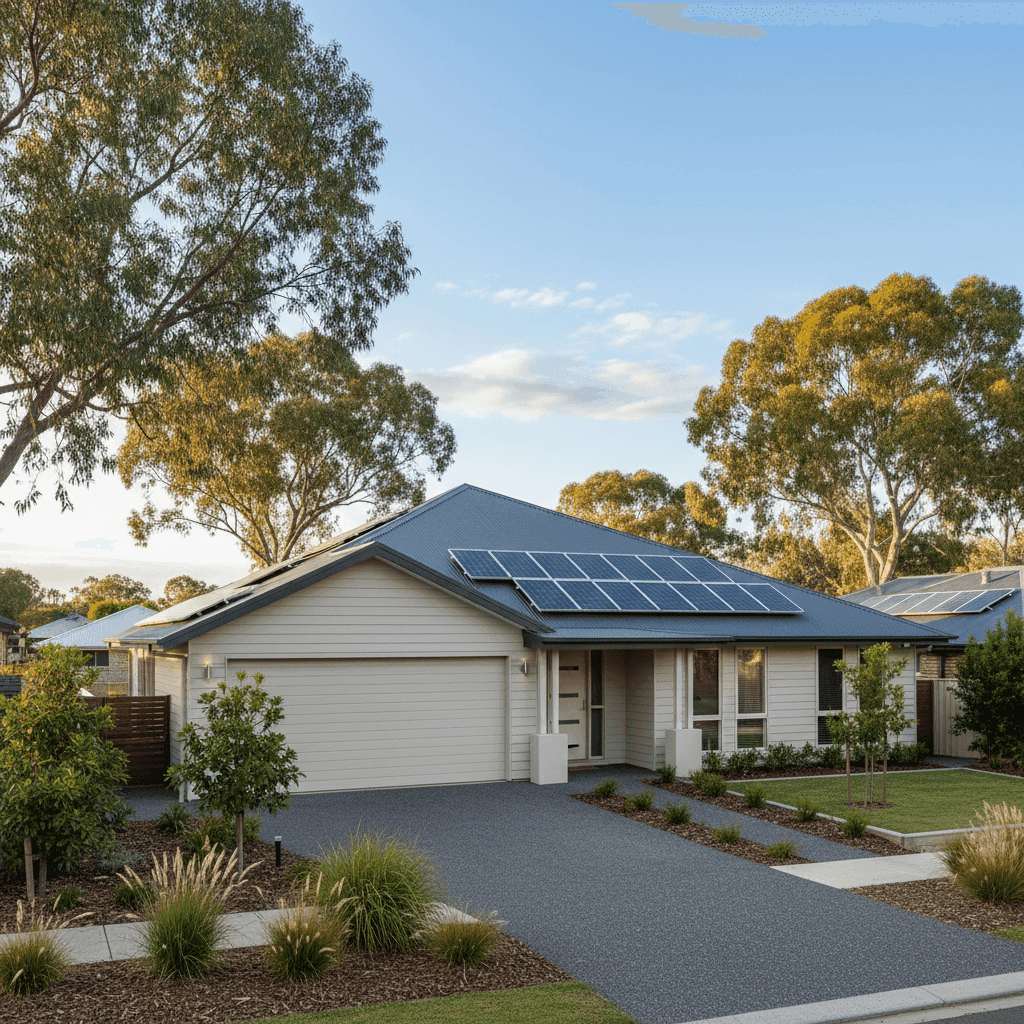
If you own a free standing home in Baw Baw, NSW 2580, you're likely no stranger to the challenge of finding the right home insurance at a fair price. This article breaks down a real home and contents insurance quote for a three-bedroom, one-bathroom property in the area — examining whether the premium stacks up against local, state, and national benchmarks, and what property features are likely driving the cost.
---
Is This Quote Fair?
The annual premium for this quote comes in at $3,071 per year (or $313 per month), covering a building sum insured of $682,000 and contents valued at $50,000. The building excess is set at $3,000, with a separate contents excess of $1,000.
Based on our pricing analysis, this quote is rated CHEAP — below average for the area. That's genuinely good news for the homeowner. In a market where premiums have been climbing steadily across Australia due to increased weather events, rising construction costs, and tightening insurer capacity, landing a quote below the typical range is a meaningful win.
It's worth noting that a higher building excess of $3,000 does contribute to keeping the premium down. Opting for a larger excess means you're agreeing to cover more of any claim out of pocket, which reduces the insurer's risk exposure and, in turn, lowers your upfront cost. Whether that trade-off suits your financial situation is a personal decision — but it's a legitimate and common strategy for managing premiums.
---
How Baw Baw Compares
To put this quote in proper context, here's how the $3,071 annual premium measures up across different geographic benchmarks:
| Benchmark | Average Premium | Median Premium |
|---|---|---|
| LGA (Wingecarribee) | $3,312/yr | — |
| NSW State | $9,528/yr | $3,770/yr |
| National | $5,347/yr | $2,764/yr |
A few things stand out here. The NSW state average of $9,528 is extraordinarily high — likely skewed upward by a relatively small number of very expensive policies in high-risk areas such as flood-prone or bushfire-affected zones. The state median of $3,770 is a more realistic benchmark for the typical NSW homeowner, and this quote sits comfortably below it.
At the national level, the average of $5,347 is again pulled up by outliers, while the national median of $2,764 sits slightly below this quote. That means this premium is broadly in line with what the typical Australian homeowner pays — and well below what many NSW residents are being quoted.
The LGA-level data for Wingecarribee puts the local average at $3,312, which this quote also undercuts. For a more detailed breakdown of insurance pricing trends in this postcode, visit the Baw Baw suburb stats page, or explore NSW-wide insurance data and national comparisons for broader context.
---
Property Features That Affect Your Premium
Every home is unique, and insurers assess a range of property characteristics when calculating your premium. Here's how the key features of this particular property likely influence the quote:
Age of construction (1865) This is one of the most notable features of the property. At over 160 years old, the home is a heritage-era build — a factor that can significantly affect insurance pricing. Older homes often carry higher rebuild costs due to specialised labour, non-standard materials, and compliance requirements. However, the $682,000 sum insured suggests the rebuild value has been carefully estimated, which helps keep the premium grounded.
Vinyl cladding external walls Vinyl cladding is generally viewed favourably by insurers compared to weatherboard or certain composite materials. It's low-maintenance, resistant to moisture and rot, and reasonably durable — all factors that can moderate premium costs.
Steel/Colorbond roof Colorbond roofing is widely regarded as one of the better roofing materials from an insurance perspective. It performs well in high-wind conditions, resists corrosion, and has a long serviceable life. This is likely a positive contributor to the below-average premium.
Slab foundation A concrete slab foundation is considered stable and low-risk by most insurers. It reduces concerns around subsidence, termite ingress through subfloor timbers, and moisture-related structural issues — all of which can elevate premiums on homes with other foundation types.
Timber/laminate flooring Timber and laminate floors are a common feature in older homes and generally don't significantly impact premiums, though they can affect contents and internal fitout valuations.
Solar panels The presence of solar panels adds a modest layer of complexity to a home insurance policy. Panels represent a capital asset that may or may not be covered under the building sum insured, depending on the policy wording. It's worth confirming with your insurer that the panels are explicitly included in your coverage.
No pool, no ducted climate control The absence of a pool removes a significant liability and maintenance risk factor. Similarly, no ducted climate control means fewer mechanical systems that could fail and cause water or fire damage — both modest but real premium-reducing factors.
---
Tips for Homeowners in Baw Baw
1. Review your sum insured annually With a heritage-era property, rebuild costs can shift significantly as labour and materials prices fluctuate. Make sure your $682,000 building sum insured is reviewed each year — underinsurance is one of the most common and costly mistakes homeowners make.
2. Confirm solar panel coverage explicitly Don't assume your solar panels are automatically included in your building cover. Check your Product Disclosure Statement (PDS) carefully, and if they're not listed, ask your insurer to add them. Replacement costs for a full solar system can run into the thousands.
3. Understand your excess trade-off The $3,000 building excess on this policy is on the higher end. While it helps keep premiums down, make sure you have that amount readily accessible in the event of a claim. If cash flow is a concern, it may be worth comparing quotes with a lower excess to find the right balance.
4. Shop around at renewal time Even with a below-average premium, it's good practice to compare quotes every year. Insurers adjust their pricing models regularly, and loyalty doesn't always translate into the best rate. Use a comparison platform to benchmark your renewal offer before committing.
---
Compare Your Home Insurance Options
Whether you're a first-time buyer or a long-time Baw Baw resident, making sure you're getting fair value on your home insurance is worth the effort. CoverClub makes it easy to compare home and contents quotes side by side, so you can see exactly how different policies and premiums stack up.
Get a home insurance quote today at CoverClub and find out if you could be paying less — or getting more cover — for your property.