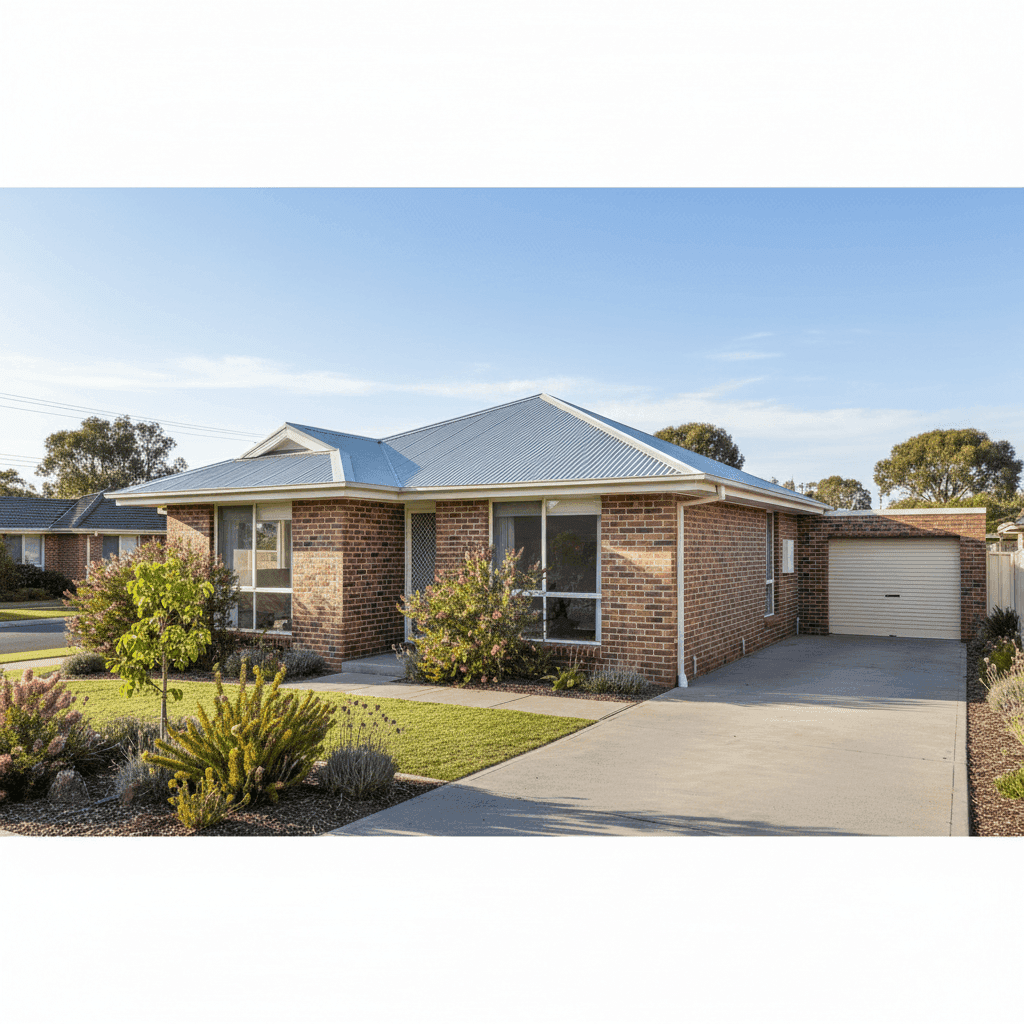
Bayswater is a well-established suburb in Melbourne's eastern corridor, sitting within the City of Maroondah and offering the kind of quiet, leafy streetscapes that have made it a popular choice for families and long-term owner-occupiers alike. For a three-bedroom, two-bathroom free standing home in this suburb, understanding what you should be paying for home and contents insurance — and whether a given quote is competitive — can make a real difference to your household budget.
This article breaks down a recent home and contents insurance quote for a property in Bayswater, compares it against local, state, and national benchmarks, and offers practical guidance for homeowners looking to get better value from their cover.
---
Is This Quote Fair?
The quote in question comes in at $1,902 per year (or $196 per month) for combined home and contents insurance, covering a building sum insured of $827,000 and contents valued at $77,000. The building excess is $3,000, and the contents excess is $1,000.
Based on our pricing data, this quote is rated Expensive — above average for the Bayswater area.
The suburb average sits at around $1,550 per year, with a median of $1,555 — meaning this quote is approximately $350 above what most Bayswater homeowners are paying for comparable cover. It falls above the 75th percentile for the suburb (which is $1,820/yr), placing it among the more costly quotes recorded for this postcode.
That said, context matters. The building sum insured of $827,000 is on the higher end, and the inclusion of ducted climate control — a feature that adds meaningful replacement value — could be contributing to the elevated premium. Still, if you haven't shopped around recently, there's a reasonable chance you're leaving money on the table.
---
How Bayswater Compares
To put this quote in perspective, here's how Bayswater's insurance costs stack up against broader benchmarks, based on 70 quotes collected for the postcode:
| Benchmark | Annual Premium |
|---|---|
| Bayswater 25th Percentile | $1,165 |
| Bayswater Average | $1,550 |
| Bayswater Median | $1,555 |
| Bayswater 75th Percentile | $1,820 |
| This Quote | $1,902 |
| Maroondah LGA Average | $2,133 |
| VIC State Average | $3,000 |
| VIC State Median | $2,718 |
| National Average | $5,347 |
| National Median | $2,764 |
One of the more striking takeaways here is just how favourably Bayswater compares to the rest of Victoria and the national picture. The state average of $3,000 per year is nearly double what most Bayswater residents pay, and the national average of $5,347 — heavily influenced by high-risk regions like Far North Queensland and coastal flood zones — is in a different league entirely.
This reflects Bayswater's relatively low exposure to catastrophic natural hazards. The suburb is not in a cyclone risk area, and while parts of Melbourne's east can experience storm and hail events, Bayswater doesn't carry the same risk loading as properties in bushfire-prone fringe suburbs or flood-affected lowlands.
Even within the Maroondah LGA, Bayswater sits below the local government area average of $2,133 per year, suggesting the postcode is considered a comparatively lower-risk location by insurers.
---
Property Features That Affect Your Premium
Several characteristics of this property are worth understanding in the context of insurance pricing.
Brick veneer construction is generally well-regarded by insurers. It offers solid structural integrity and reasonable fire resistance, which can work in your favour at underwriting time. Compared to weatherboard or lightweight cladding, brick veneer typically attracts more favourable rates.
Steel/Colorbond roofing is another positive signal. Colorbond is durable, low-maintenance, and performs well in both high-wind and hail events — all factors that reduce the likelihood of a claim. It's a common and well-understood material for Australian insurers.
Slab foundation is standard for the era and construction type, and doesn't introduce the same subsidence concerns that can affect older pier-and-beam foundations in some Melbourne suburbs.
Construction year of 1965 does introduce some age-related considerations. Older homes may have original wiring, plumbing, or structural elements that haven't been updated, and insurers may price this in. If significant renovations have been carried out, it's worth disclosing these — they can positively influence your premium and ensure your sum insured accurately reflects the home's current rebuild cost.
Ducted climate control adds to the replacement value of the home, and its inclusion in the insured building will contribute to a higher premium. This is appropriate — ducted systems are expensive to replace — but it's worth confirming the system is correctly captured in your sum insured calculation.
Tile flooring throughout is relatively straightforward from an insurance perspective, and doesn't carry the same water-damage sensitivity as timber floors, which can warp and require full replacement after even minor leaks.
---
Tips for Homeowners in Bayswater
1. Review your sum insured carefully At $827,000, the building sum insured needs to reflect the true cost of rebuilding your home from scratch — not its market value. Use a building cost calculator or speak with a quantity surveyor to make sure you're not over- or under-insured. Over-insurance is a common and avoidable source of inflated premiums.
2. Compare quotes before renewal This quote is above the suburb average, which is a clear signal to shop around. Insurers price risk differently, and the gap between the cheapest and most expensive quotes in Bayswater spans more than $650 per year. Getting a fresh quote takes minutes and could yield meaningful savings.
3. Consider your excess settings The building excess on this policy is $3,000 — which is relatively high. A higher excess generally reduces your premium, but it also means a larger out-of-pocket cost at claim time. Make sure the excess levels on both your building and contents cover reflect what you could comfortably afford to pay in an emergency.
4. Bundle and consolidate where possible Combined home and contents policies — like this one — often attract better pricing than purchasing building and contents cover separately. If you're currently holding these as separate policies with different providers, consolidating could reduce your total cost.
---
Ready to Compare?
If your current premium is starting to feel steep, you're not alone — and you don't have to accept it at renewal. CoverClub makes it easy to see how your quote stacks up against real data from your suburb and beyond. Compare home insurance quotes for your Bayswater property and find out whether you could be paying less for the same level of cover.