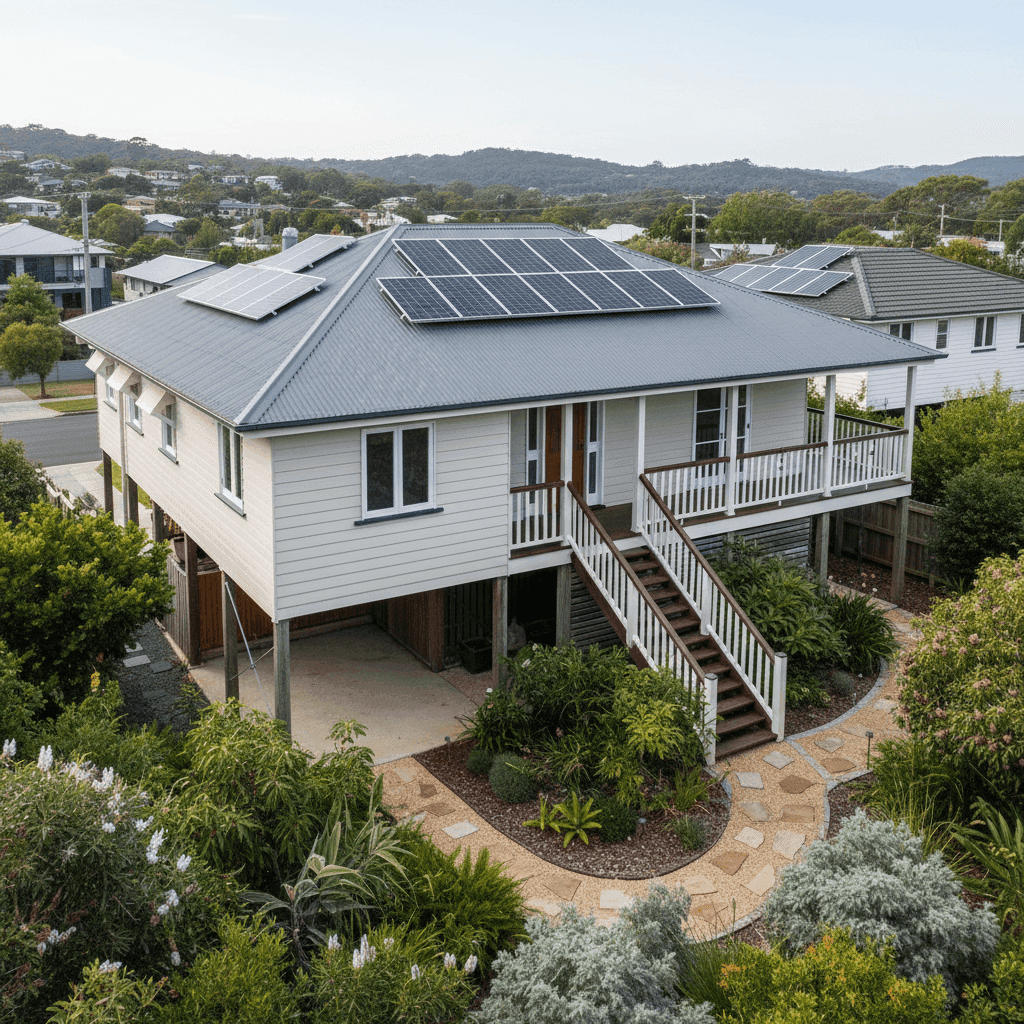
Bayview is one of Sydney's most sought-after waterside suburbs, tucked into the Northern Beaches peninsula between Pittwater and the surrounding bushland. It's a beautiful place to own a home — but beauty comes with complexity when it comes to insurance. This article breaks down a real home and contents insurance quote for a four-bedroom, three-bathroom free standing home in Bayview (postcode 2104), and helps you understand what's driving the cost, how it stacks up against local and national benchmarks, and what you can do about it.
---
Is This Quote Fair?
The annual premium on this quote comes in at $7,881 per year (or $770/month), covering a building sum insured of $1,134,000 and $200,000 in contents. Our price rating for this quote is Expensive — above average for the suburb.
To put that in perspective:
- The suburb average for Bayview is $5,721/yr, and the median sits at $5,998/yr
- This quote lands above the 75th percentile for the suburb ($7,249/yr), meaning it's pricier than roughly three-quarters of comparable quotes in the area
- That said, it's still well below the NSW state average of $9,528/yr
So while the premium feels steep relative to local comparisons, it's not wildly out of step with what insurers charge across New South Wales more broadly. The elevated building sum insured ($1,134,000) is likely a significant factor — this is a well-appointed home, and rebuilding costs in coastal NSW are not cheap.
---
How Bayview Compares
Understanding where your premium sits within the broader market is one of the most useful things you can do as a homeowner. Here's how Bayview stacks up:
| Benchmark | Annual Premium |
|---|---|
| This Quote | $7,881 |
| Bayview Suburb Average | $5,721 |
| Bayview Suburb Median | $5,998 |
| Bayview 25th Percentile | $4,483 |
| Bayview 75th Percentile | $7,249 |
| NSW State Average | $9,528 |
| NSW State Median | $3,770 |
| National Average | $5,347 |
| National Median | $2,764 |
| Northern Beaches LGA Average | $3,266 |
(Based on a sample of 16 quotes from the Bayview suburb. See full [Bayview suburb insurance stats](https://coverclub.com.au/stats/NSW/2104/bayview), [NSW state stats](https://coverclub.com.au/stats/NSW), and [national stats](https://coverclub.com.au/stats/national).)
A few things stand out here. First, the NSW state average ($9,528) is notably higher than both the national average ($5,347) and the Northern Beaches LGA average ($3,266) — which tells us that while NSW as a whole carries elevated risk (think bushfire, storm, and flood exposure across the state), the Northern Beaches specifically is a mixed picture. Waterfront and bushland-adjacent suburbs like Bayview can push premiums higher, while more sheltered pockets of the LGA keep the average down.
The wide gap between the NSW state average and median ($3,770) also signals a skewed distribution — a relatively small number of very high-risk or high-value properties are pulling the average up significantly.
---
Property Features That Affect Your Premium
This particular property has several characteristics that insurers pay close attention to. Here's how they're likely influencing the quote:
Weatherboard Timber Walls
Weatherboard construction is charming and common in older coastal NSW homes, but it's generally considered higher risk than brick veneer or full brick. Timber is more susceptible to fire, moisture damage, and general wear — all of which can translate to a higher premium.
Elevated on Poles (At Least 1 Metre)
The home sits elevated on poles by at least one metre, which is typical of the area's terrain and can actually work in your favour for flood and storm surge risk — water is more likely to pass beneath the structure rather than inundate it. However, elevated homes also present greater wind exposure and can be more costly to repair or rebuild, which insurers factor in.
Steel/Colorbond Roof
Colorbond roofing is generally viewed positively by insurers. It's durable, fire-resistant, and handles heavy rain well — all relevant considerations for a coastal NSW property exposed to summer storms.
Timber and Laminate Flooring
Timber floors are considered above-average in terms of replacement cost compared to tiles or carpet. Combined with above-average fittings quality, this contributes to a higher contents and building valuation — and by extension, a higher premium.
Solar Panels
The presence of solar panels adds replacement value to the building. Insurers need to account for the cost of repairing or replacing the system in the event of storm damage, hail, or fire.
Ducted Climate Control
Ducted air conditioning is another above-average fitting that increases the insured value of the home. Systems like these can cost tens of thousands of dollars to replace.
Above-Average Fittings Quality
The overall fittings quality is rated above average, which aligns with the high building sum insured of $1,134,000 for a 153 sqm home. That works out to roughly $7,412 per square metre — reflecting premium finishes, a coastal location, and the elevated rebuild complexity.
---
Tips for Homeowners in Bayview
If you're looking to make sure you're getting the best value on your home insurance, here are some practical steps worth taking:
1. Review Your Sum Insured Carefully
At $1,134,000 for a 153 sqm home, the building sum insured is substantial. Make sure this figure accurately reflects the cost to rebuild — not the market value of the property. Overinsuring can unnecessarily inflate your premium, while underinsuring leaves you exposed. Use a building cost calculator or consult a quantity surveyor if you're unsure.
2. Compare Multiple Quotes
This quote is rated expensive relative to the suburb. That's a clear signal to shop around. Premiums for the same property can vary significantly between insurers based on their risk models, appetite for certain construction types, and current claims experience. Get a comparison quote at CoverClub to see what other providers are offering.
3. Ask About Discounts for Security and Safety Features
Homes with monitored alarm systems, deadbolts, and smoke detectors often qualify for premium discounts. Given the above-average fittings and the value of this property, it's worth confirming with your insurer that all eligible features are being recognised.
4. Consider Your Excess Strategy
This policy carries a $2,000 building excess and $1,000 contents excess. Opting for a higher voluntary excess is one of the most straightforward ways to reduce your annual premium — just make sure the excess amount is something you could comfortably cover out of pocket in the event of a claim.
---
Ready to Compare?
Whether you're reviewing your current policy or shopping for the first time, comparing quotes is the single most effective way to ensure you're not paying more than you need to. CoverClub makes it easy to see how your premium stacks up and find a better deal. Start your comparison at CoverClub — it only takes a few minutes, and you might be surprised at the difference.