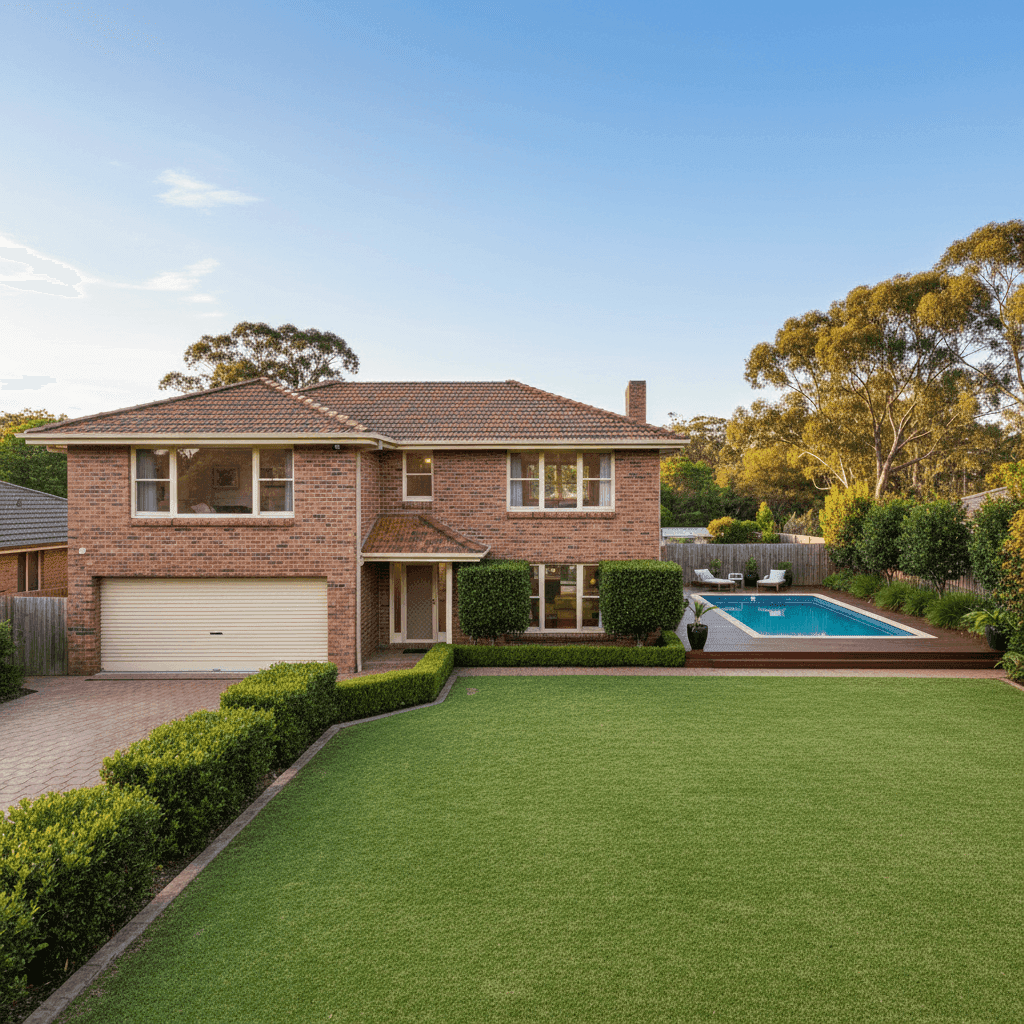
Beacon Hill is a well-established residential suburb on Sydney's Northern Beaches, known for its leafy streets, solid brick homes, and proximity to both bushland and the coast. For owners of a four-bedroom, free-standing home in this area, understanding what drives home insurance costs — and whether a given quote stacks up — is an important part of protecting one of your most valuable assets. This article breaks down a real home and contents insurance quote for a property in Beacon Hill (NSW 2100) and puts it in context with local, state, and national benchmarks.
---
Is This Quote Fair?
The quote in question comes in at $3,864 per year (or $381/month) for combined home and contents cover, with a building sum insured of $967,000 and contents valued at $50,000. The building excess is set at $3,000, and the contents excess at $1,000.
Our price rating for this quote is FAIR — Around Average, and the data backs that up. Based on 59 quotes collected for Beacon Hill, the suburb average sits at $3,172/year, while the median is a lower $2,651/year. At $3,864, this quote lands above both of those figures — but it's still comfortably within the suburb's 75th percentile of $4,078/year, meaning roughly three-quarters of comparable quotes come in at or below that level.
In other words, this isn't a bargain, but it's not an outlier either. For a 235 sqm brick veneer home with a pool and a high building sum insured, a premium in this range is broadly consistent with what the market is charging in this postcode.
---
How Beacon Hill Compares
To put this quote in proper context, it helps to zoom out and look at the broader picture.
| Benchmark | Average Premium | Median Premium |
|---|---|---|
| Beacon Hill (2100) | $3,172/yr | $2,651/yr |
| Northern Beaches LGA | $4,149/yr | — |
| NSW | $3,801/yr | $3,410/yr |
| National | $2,965/yr | $2,716/yr |
A few things stand out here. First, the Northern Beaches LGA average of $4,149/year is notably higher than both the Beacon Hill suburb average and this specific quote — suggesting that some pockets of the LGA (think beachfront or flood-prone areas) pull the council-wide figure upward. Beacon Hill itself, sitting a few kilometres inland from the coast, tends to attract somewhat lower premiums than its more exposed neighbours.
Second, this quote is actually slightly above the NSW state average of $3,801/year but not dramatically so. The national average of $2,965/year is considerably lower, but that figure is heavily influenced by lower-cost regional and rural markets — a direct comparison with a Sydney suburb isn't especially meaningful.
For a Northern Beaches property of this size and value, a premium of $3,864 represents a reasonable mid-market outcome.
---
Property Features That Affect Your Premium
Several characteristics of this property have a direct bearing on what insurers charge. Understanding them helps you assess whether there's room to move on price.
Brick veneer construction and tiled roof Brick veneer walls and a tiled roof are generally viewed favourably by insurers. They're more resistant to fire than timber-framed cladding, and tiles are considered a durable, low-maintenance roofing material. This combination tends to attract more competitive premiums compared to properties with, say, weatherboard walls or corrugated iron roofing.
Slab foundation A concrete slab foundation is standard for homes of this era in Sydney and is considered low-risk by most insurers. It reduces exposure to subsidence and certain types of water ingress that can affect raised or stumped foundations.
Construction year: 1980 A home built in 1980 is now over 40 years old. While the structure is likely well-established, insurers do factor in age when pricing risk — older homes may have ageing plumbing, wiring, or roofing that increases the likelihood of a claim. It's worth ensuring your building sum insured ($967,000 in this case) accurately reflects current rebuild costs, including demolition and professional fees.
Swimming pool The presence of a pool adds a layer of liability exposure that insurers account for in their pricing. It's a minor but real factor, and it's important to confirm your policy covers pool-related liability, particularly for incidents involving third parties.
Timber and laminate flooring Timber and laminate floors are both attractive and practical, but they can be more susceptible to water damage than tiles. In the event of a burst pipe or flooding event, floor replacement costs can be substantial — making it worth reviewing your contents and building cover limits carefully.
High building sum insured At $967,000, the building sum insured is on the higher end, which directly drives premium costs. This figure should reflect the full cost of rebuilding the home from scratch (not its market value), including materials, labour, and associated fees. Overinsuring inflates your premium unnecessarily, while underinsuring leaves you exposed — so it's worth getting a professional rebuild estimate if you haven't done so recently.
---
Tips for Homeowners in Beacon Hill
1. Get multiple quotes and compare apples with apples Premium variation between insurers can be significant — even for identical properties. The difference between the 25th percentile ($1,966/yr) and 75th percentile ($4,078/yr) in Beacon Hill alone is over $2,100 per year. Shopping around is the single most effective way to reduce your insurance costs without sacrificing cover.
2. Review your building sum insured regularly Construction costs in Sydney have risen sharply in recent years. If your sum insured hasn't been updated to reflect current rebuild costs, you could be significantly underinsured. Consider commissioning a professional quantity surveyor assessment, or use an online rebuild cost calculator as a starting point.
3. Consider your excess settings carefully This quote carries a $3,000 building excess, which is relatively high. A higher excess generally reduces your annual premium, but it also means more out-of-pocket expense when you do need to claim. Review whether your current excess level reflects your financial comfort zone and claims history.
4. Check what your policy actually covers Not all home and contents policies are equal. Pay particular attention to cover for your pool (including liability), storm and water damage (relevant given Sydney's weather patterns), and any high-value items within your $50,000 contents sum. Some items — jewellery, electronics, art — may need to be listed separately to be fully covered.
---
Ready to Compare?
Whether you're reviewing your current policy or shopping for cover for the first time, comparing quotes is the smartest way to make sure you're getting fair value. At CoverClub, you can enter your property details and instantly see how your quote stacks up against real market data for your suburb, state, and across Australia. It takes just a few minutes and could save you hundreds of dollars a year.