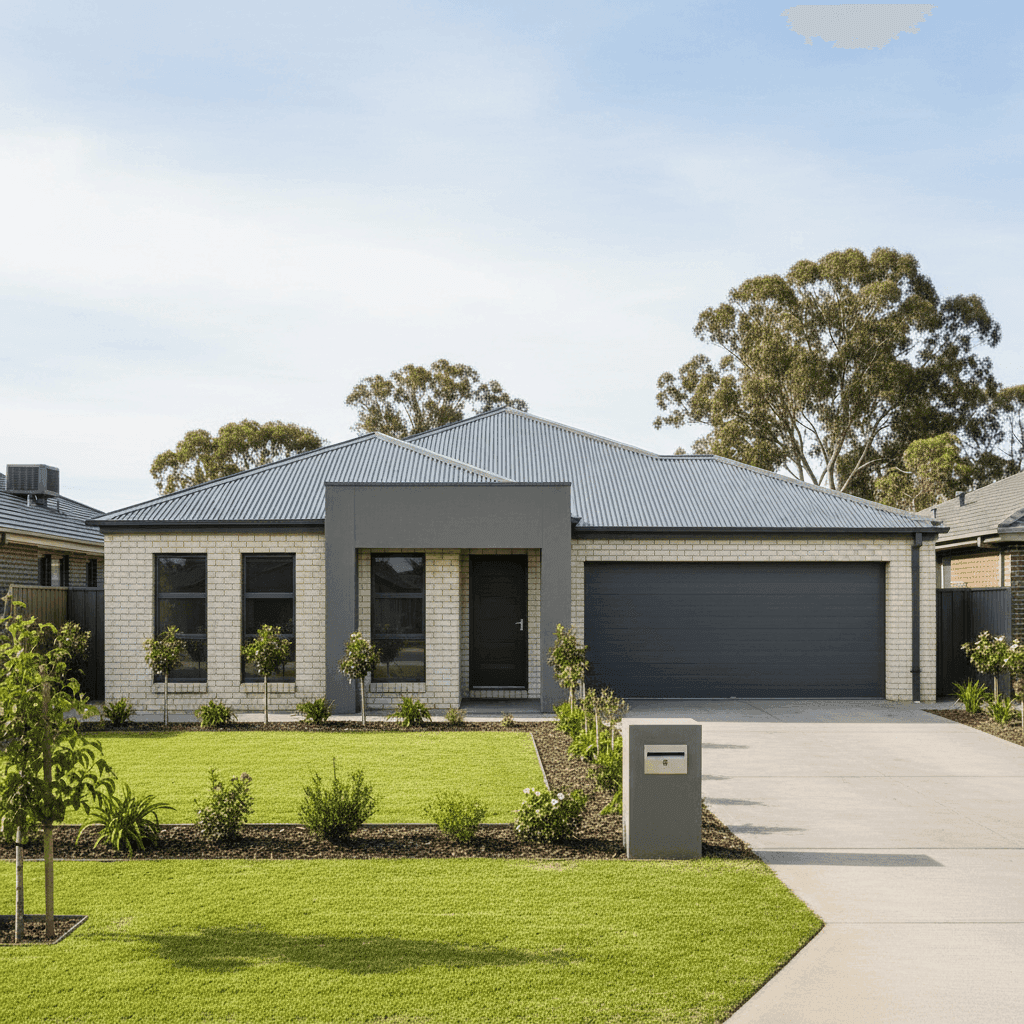
Beaconsfield is a well-established outer south-eastern suburb of Melbourne, sitting within the City of Casey and popular with families drawn to its leafy streets, good schools, and relative affordability compared to inner suburbs. If you own a free standing home here, understanding what you should be paying for home and contents insurance — and why — can make a real difference to your household budget.
This article breaks down a recent home and contents insurance quote for a four-bedroom, two-bathroom brick veneer home in Beaconsfield VIC 3807, comparing it against local, state, and national benchmarks so you can make a more informed decision.
---
Is This Quote Fair?
The quote in question comes in at $1,888 per year (or $185 per month) for combined home and contents cover, with a building sum insured of $658,000 and contents valued at $140,000. Both the building and contents excess are set at $1,000.
Based on our pricing data, this quote is rated Expensive — Above Average for the Beaconsfield area. Here's what that means in practice:
- The suburb average for comparable quotes is $1,544/yr, meaning this quote sits roughly $344 above average.
- The suburb median is $1,645/yr, and this quote exceeds even the 75th percentile of $1,810/yr — placing it among the pricier end of what Beaconsfield homeowners are being quoted.
- Only a quarter of comparable quotes in the suburb come in above $1,810/yr, so this premium is on the higher end of the local range.
That said, context matters. The sum insured here is $658,000 for the building — which is a substantial coverage amount — combined with $140,000 in contents cover. Higher coverage limits naturally push premiums up, and it's possible this quote reflects a more comprehensive policy than cheaper alternatives in the comparison pool.
It's still worth shopping around. A difference of $300–$400 per year adds up to $3,000–$4,000 over a decade — money that could be better spent elsewhere.
---
How Beaconsfield Compares
One of the most striking takeaways from this data is just how favourably Beaconsfield stacks up against broader benchmarks — even when this particular quote is on the expensive side locally.
| Benchmark | Average Premium |
|---|---|
| Beaconsfield (suburb avg.) | $1,544/yr |
| LGA — City of Casey | $2,142/yr |
| Victoria (state avg.) | $2,921/yr |
| National average | $2,965/yr |
Even the quote under review ($1,888/yr) sits well below the Victorian state average of $2,921/yr and the national average of $2,965/yr. Homeowners in Beaconsfield are, broadly speaking, paying significantly less than their counterparts elsewhere in Victoria and across Australia.
This is likely a reflection of Beaconsfield's relatively low exposure to catastrophic weather events. Unlike coastal or far-north Queensland properties, homes in this part of Victoria don't face cyclone risk, and the area isn't classified as a high bushfire zone in the way some outer Melbourne suburbs are — though localised risk always warrants checking with your insurer and local council.
The City of Casey LGA average of $2,142/yr is also notably higher than the Beaconsfield suburb average, suggesting that premiums vary considerably within the LGA itself, and that Beaconsfield residents may be benefiting from more favourable local risk profiles.
---
Property Features That Affect Your Premium
Several characteristics of this property influence what insurers are willing to charge. Here's how the key features play out:
Brick Veneer Walls Brick veneer is one of the most common external wall materials in Australian suburban homes, and insurers generally view it favourably. It offers good fire resistance and durability compared to timber weatherboard, which can translate to lower premiums.
Steel/Colorbond Roof A Colorbond steel roof is considered a low-maintenance, resilient roofing option. It performs well in storms and is resistant to fire, rot, and pests — all factors that insurers weigh when calculating risk. This is a genuine positive for the premium.
Concrete Slab Foundation Slab-on-ground construction is standard for homes of this era in Victoria and is generally considered stable and low-risk. It removes the concern of subfloor flooding or pest damage that can affect older homes on stumps.
Construction Year: 2002 At roughly 22 years old, this home is modern enough to have been built to relatively contemporary building codes, but old enough that some components — roofing, plumbing, electrical systems — may be approaching the age where maintenance becomes more important. Insurers may factor in the age of the dwelling when assessing risk.
Ducted Climate Control The presence of ducted heating and cooling adds to the replacement value of the home's fixtures and fittings, which can contribute to a higher building sum insured and, in turn, a higher premium.
Building Size: 214 sqm At 214 square metres, this is a mid-to-large family home. Larger floor areas generally mean higher rebuilding costs, which supports a higher sum insured and premium.
No Pool, No Solar Panels The absence of a swimming pool removes a liability and maintenance risk that some insurers price in. Similarly, no solar panels means no additional complexity around panel coverage or inverter damage claims.
---
Tips for Homeowners in Beaconsfield
1. Check your sum insured carefully A building sum insured of $658,000 is significant. Make sure this figure reflects the actual cost to rebuild your home from scratch — not its market value. Underinsurance is a common problem in Australia; equally, overinsuring inflates your premium unnecessarily. Tools like the Cordell Sum Sure Calculator can help you estimate an accurate rebuild cost.
2. Compare multiple quotes before renewing Given that this quote sits above the suburb average and beyond the 75th percentile, it's worth getting at least two or three competing quotes before renewing. Insurers price risk differently, and the same property can attract meaningfully different premiums across providers. Get a quote through CoverClub to see what's available for your address.
3. Review your contents value annually Contents insurance of $140,000 is a reasonable figure for a four-bedroom home, but it's worth revisiting each year. New purchases, renovations, or changes to your home office setup can all affect your true replacement needs. Underinsuring contents can leave you significantly out of pocket after a claim.
4. Ask about discounts for bundling and security features Many insurers offer discounts when you bundle home and contents cover (as this policy does), or when your home has monitored alarms, deadbolts, or security cameras. It's always worth asking — even a 5–10% discount can bring a premium back into a more competitive range.
---
Compare Your Options with CoverClub
Whether you're renewing an existing policy or shopping around for the first time, CoverClub makes it easy to see how your quote stacks up against real data from your suburb and beyond. Explore Beaconsfield insurance statistics or get a personalised quote in minutes. A few minutes of comparison could save you hundreds of dollars a year — without sacrificing the cover you need.