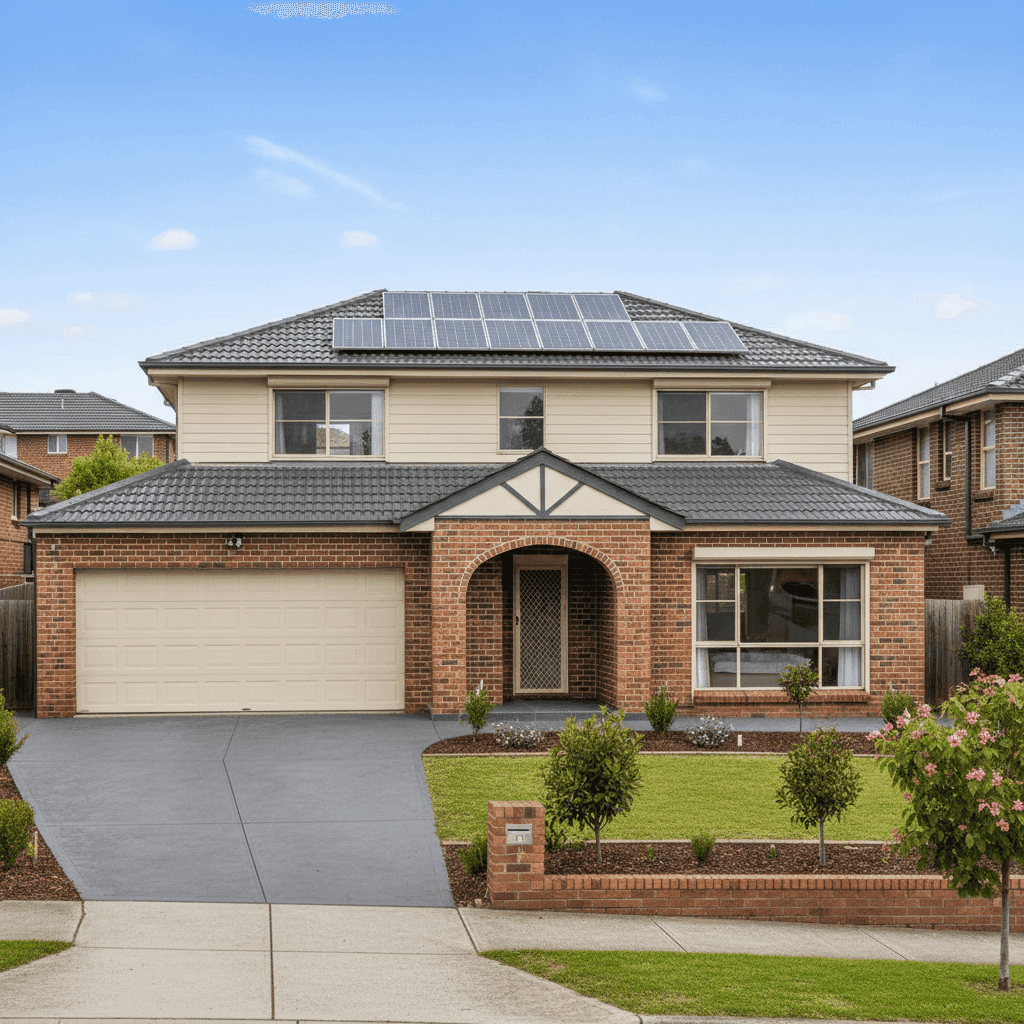
Beaconsfield is a well-established outer south-eastern suburb of Melbourne, sitting within the City of Casey and known for its family-friendly streets and solid housing stock. If you own a free standing home here, understanding what you should be paying for home and contents insurance — and why — can save you hundreds of dollars a year. In this article, we break down a real quote for a 4-bedroom, 2-bathroom brick veneer home in Beaconsfield (postcode 3807) and put it under the microscope.
---
Is This Quote Fair?
The quote in question comes in at $1,882 per year (or $184/month) for combined home and contents cover, with a building sum insured of $553,000 and contents valued at $164,000. Both the building and contents excess are set at $1,000.
Our price rating for this quote is Expensive — above average for the Beaconsfield area.
To put that in context: the suburb average premium sits at $1,544/yr, and the median is $1,645/yr. This quote lands above the 75th percentile for the suburb (which is $1,810/yr), meaning it's pricier than at least three-quarters of comparable quotes we've seen in the area. That's a meaningful gap — you'd be paying roughly $338 more per year than the average Beaconsfield homeowner, and $237 more than the median.
That said, it's worth noting that the sum insured here is substantial. A $553,000 building cover figure is on the higher end for the area, and a $164,000 contents value is reasonably generous. Higher insured values naturally push premiums up, so some of the price gap is explainable. Still, it's worth shopping around.
---
How Beaconsfield Compares
One silver lining: even at $1,882/yr, this quote is significantly cheaper than both the Victorian state average and the national average.
Here's how the numbers stack up:
| Benchmark | Average Premium | Median Premium |
|---|---|---|
| Beaconsfield (3807) | $1,544/yr | $1,645/yr |
| LGA (City of Casey) | $2,142/yr | — |
| Victoria | $2,921/yr | $2,694/yr |
| National | $2,965/yr | $2,716/yr |
Compared to the broader Victorian market, Beaconsfield homeowners are getting a relatively good deal — the state average for VIC is $2,921/yr, nearly $1,000 more than what most locals pay. Nationally, the picture is similar, with the national average sitting at $2,965/yr.
Even within the City of Casey LGA, Beaconsfield comes out ahead — the LGA average of $2,142/yr is well above what most residents in this suburb are quoted. You can explore the full breakdown of local pricing trends on the Beaconsfield suburb stats page.
This suggests that Beaconsfield's risk profile — lower flood exposure, no cyclone risk, established infrastructure — keeps premiums relatively contained compared to many other parts of Victoria and Australia.
---
Property Features That Affect Your Premium
Every home is different, and insurers price risk based on a detailed picture of your property. Here's how the specific features of this home influence the premium:
Brick Veneer Construction Brick veneer is one of the most common wall materials in Australian suburbia, and insurers generally view it favourably. It offers solid fire resistance and structural durability, which can contribute to more competitive premiums compared to lightweight timber or clad construction.
Tiled Roof A tiled roof is considered a lower-risk roofing material than, say, Colorbond or corrugated iron in some contexts, though it can be more expensive to repair if damaged by hail or falling debris. Overall, tiles are a well-regarded roofing choice from an underwriting perspective.
Concrete Slab Foundation Slab foundations are standard for homes of this era and are generally viewed as stable and low-risk. They're less susceptible to subfloor moisture issues compared to older suspended timber floors.
Timber and Laminate Flooring While stylish and popular, timber and laminate flooring can be more costly to replace than carpet if water damage occurs. This may contribute marginally to the contents or building premium.
Solar Panels This home has solar panels installed, which are typically covered under building insurance as a fixed fixture. Solar systems do add replacement value to the home, so it's important to ensure the building sum insured accounts for their cost. Some insurers may also factor in the added complexity of roof-mounted equipment.
Ducted Climate Control A ducted heating and cooling system is a significant fixed asset. Like solar panels, it's generally covered under building insurance and adds to the overall replacement cost — which is reflected in the sum insured and, in turn, the premium.
No Pool The absence of a swimming pool removes one common liability and maintenance risk that insurers sometimes price into premiums. It's a minor but positive factor.
Construction Year: 2004 At roughly 20 years old, this home is in a sweet spot — modern enough to meet contemporary building codes but established enough to have a known track record. Newer homes often attract lower premiums than older properties with ageing wiring or plumbing.
---
Tips for Homeowners in Beaconsfield
If you're looking to make sure you're getting the best value on your home and contents insurance, here are some practical steps worth taking:
1. Review your sum insured annually Building costs change over time, and underinsurance is a real risk. Use a building cost calculator to check whether your $553,000 sum insured still reflects what it would actually cost to rebuild your home today — factoring in materials, labour, and any improvements you've made.
2. Shop around — don't auto-renew This quote sits above the suburb average, which is a clear signal to compare. Insurers price risk differently, and the spread of premiums in Beaconsfield (from $1,182/yr at the 25th percentile to $1,810/yr at the 75th percentile) shows there's meaningful variation in the market. Get a new quote at CoverClub to see what else is available.
3. Check your contents figure is realistic $164,000 in contents cover sounds like a lot, but it adds up quickly when you account for furniture, appliances, electronics, clothing, and valuables. Do a room-by-room audit to make sure you're neither over-insured nor — more dangerously — underinsured.
4. Ask about bundling discounts Many insurers offer discounts when you combine home and contents cover under a single policy (as this quote does). If you're currently holding separate policies, consolidating them could reduce your overall premium.
---
Compare Your Options with CoverClub
Whether this quote looks right for your situation or you suspect you could be paying less, the smartest move is to compare. CoverClub makes it easy for Australian homeowners to benchmark their premiums against real data from their suburb, LGA, and state. Start a quote today and find out if you're getting a fair deal — or leaving money on the table.