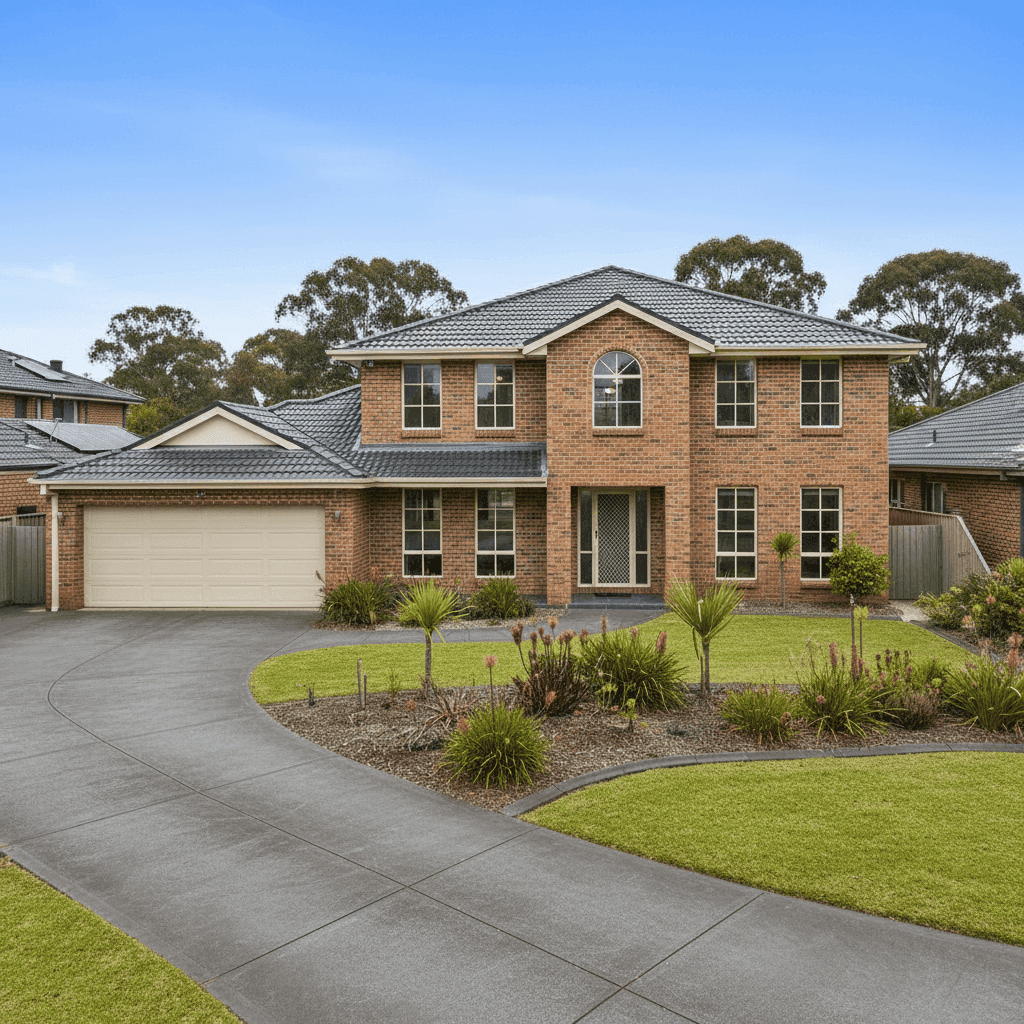
Beaconsfield is a well-established suburb in Melbourne's south-east, sitting within the City of Casey and offering a mix of family-friendly streets, leafy blocks, and solid brick homes. If you own a free standing home in the area and you're shopping around for cover, understanding what a fair premium looks like can save you hundreds of dollars a year. This article breaks down a real home and contents insurance quote for a five-bedroom property in Beaconsfield (postcode 3807) and puts the numbers into context.
---
Is This Quote Fair?
The quote in question comes in at $3,486 per year (or $311 per month) for combined home and contents cover, with a building sum insured of $1,000,000 and contents valued at $100,000. Both the building and contents excess are set at $1,000.
Based on our pricing data, this quote is rated Expensive — above average for the area. That's not necessarily a red flag on its own, but it does warrant a closer look. A number of factors can push a premium above the local norm, including a high sum insured, the size of the dwelling, and the specific insurer's risk appetite. A $1,000,000 building sum insured is notably high for the suburb and will have a significant upward effect on the annual cost compared with homes insured for a more modest rebuild value.
That said, it's always worth checking whether the sum insured is actually appropriate for your property. Underinsurance is a serious and common problem in Australia — so if the figure is accurate, paying a higher premium may simply be the cost of being properly covered.
---
How Beaconsfield Compares
To put this quote in perspective, here's how it stacks up against local, state, and national benchmarks:
| Benchmark | Average Premium | Median Premium |
|---|---|---|
| Beaconsfield (3807) | $1,880/yr | $1,811/yr |
| Victoria (VIC) | $3,000/yr | $2,718/yr |
| National | $5,347/yr | $2,764/yr |
| LGA (City of Casey) | $2,142/yr | — |
(Based on [Beaconsfield suburb data](https://coverclub.com.au/stats/VIC/3807/beaconsfield) from 56 quotes, [VIC state data](https://coverclub.com.au/stats/VIC), and [national insurance data](https://coverclub.com.au/stats/national).)
A few things stand out here. The suburb average of $1,880 is notably lower than both the Victorian and national averages, which suggests Beaconsfield is generally considered a relatively lower-risk area by insurers. The quote of $3,486 sits well above the suburb average — nearly double, in fact — and also above the Victorian state average of $3,000.
However, it's worth noting that the national average premium of $5,347 is significantly higher, driven largely by high-risk regions such as northern Queensland, parts of Western Australia, and flood-prone areas across New South Wales. Compared to the national picture, this quote is actually below average — a reminder that context matters enormously when evaluating insurance costs.
The 25th to 75th percentile range for Beaconsfield sits between $1,571 and $2,129 per year, meaning three-quarters of quotes in the suburb fall below $2,129. This quote exceeds that upper boundary by a considerable margin, which reinforces the "expensive" rating.
---
Property Features That Affect Your Premium
Several characteristics of this property will influence how insurers price the risk:
- Size and bedrooms: At 286 sqm with five bedrooms and three bathrooms, this is a large home. Bigger homes cost more to rebuild, which directly drives up the building sum insured and, in turn, the premium.
- Brick veneer construction with tiled roof: These are generally favoured by insurers. Brick veneer walls offer good fire resistance and structural durability, while tiled roofs are considered more resilient than corrugated iron or Colorbond in some risk assessments. This combination typically attracts more competitive pricing.
- Slab foundation: A concrete slab foundation is standard in Victoria and is generally viewed as low risk, with less susceptibility to subsidence or movement compared with older pier-and-beam structures.
- Timber and laminate flooring: This is worth noting from a contents perspective. Timber and laminate floors can be costly to replace if damaged by water or fire, and it's important to ensure your contents policy adequately covers floor coverings if they're not included in the building sum.
- Ducted climate control: A ducted heating and cooling system is a significant fixed asset in the home. These systems can cost $10,000–$20,000 or more to replace, and they're typically covered under the building policy. Their presence may contribute modestly to the overall premium.
- Built in 1999: A home from the late 1990s is relatively modern by Australian standards. It will have been built to updated building codes, which generally means better structural integrity and lower risk compared to homes built in the 1960s or 70s.
- No pool, no solar panels: The absence of a pool removes a common liability risk, while no solar panels means there are no additional system replacement costs to factor in — both of which can keep premiums slightly lower.
---
Tips for Homeowners in Beaconsfield
1. Review your building sum insured carefully The $1,000,000 sum insured is the single biggest driver of this premium. Use a reputable building cost calculator — such as the one provided by the Housing Industry Association or your insurer — to confirm whether this figure accurately reflects your home's rebuild cost. If it's higher than necessary, reducing it could bring meaningful savings.
2. Compare quotes from multiple insurers Premiums for the same property can vary by hundreds — sometimes thousands — of dollars between insurers. The suburb average of $1,880 suggests there are likely more competitive options available. Get a quote through CoverClub to compare what's on the market.
3. Consider a higher excess to lower your premium Both the building and contents excess on this policy are set at $1,000. Opting for a higher voluntary excess (say, $2,000 or $2,500) can reduce your annual premium, particularly if you're unlikely to make small claims. Just make sure the excess remains affordable in the event of a genuine claim.
4. Bundle strategically — but check the maths Combined home and contents policies are convenient and can offer discounts, but it's worth checking whether separate policies from different providers might actually work out cheaper. Some insurers are more competitive on building cover, while others excel on contents.
---
Ready to Find a Better Deal?
If this quote doesn't feel right for your situation, you're not alone — and you have options. CoverClub makes it easy to compare home and contents insurance quotes side by side, so you can see exactly what you're getting for your money. Start comparing quotes now and find cover that suits your home, your budget, and your peace of mind.
For more local data, explore Beaconsfield insurance statistics, browse Victoria-wide premium trends, or check out national home insurance benchmarks.