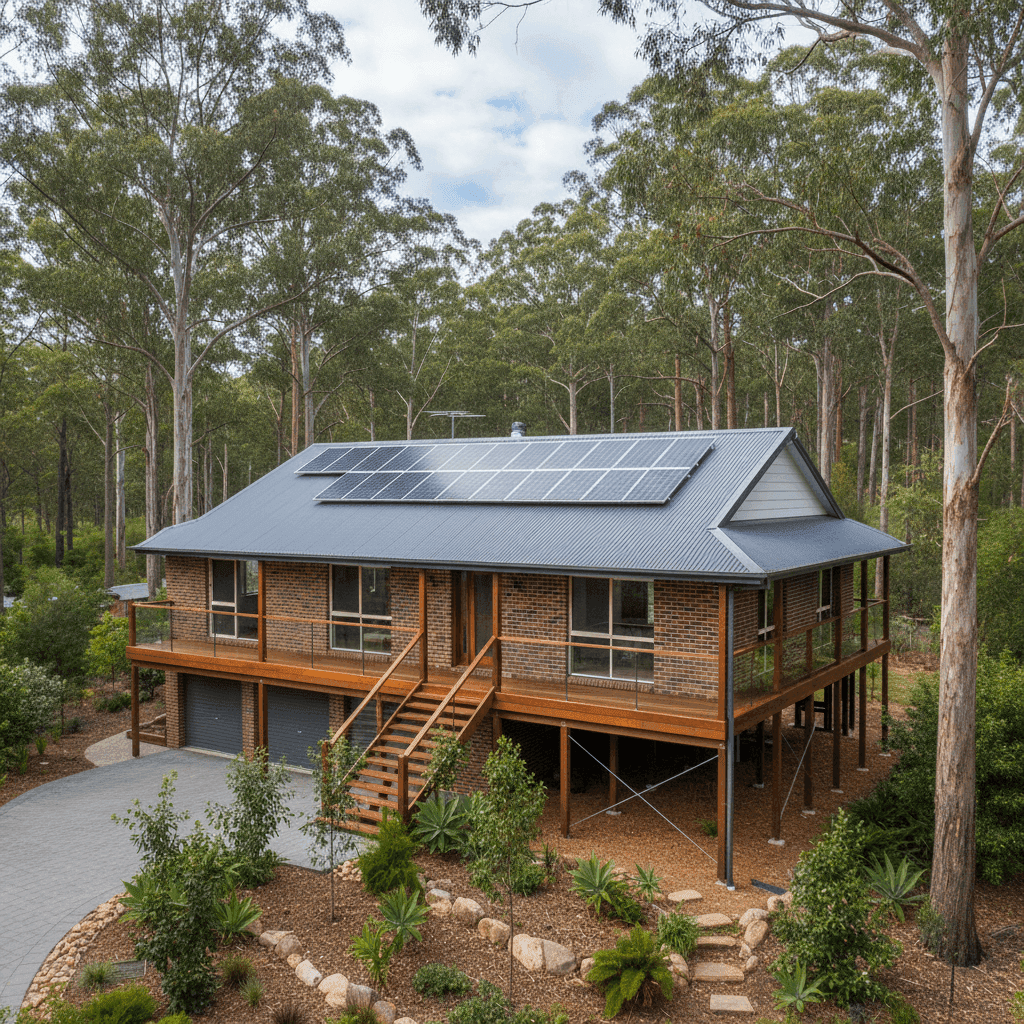
Nestled in the leafy Dandenong Ranges foothills, Belgrave South is a quiet, semi-rural suburb in Melbourne's outer east. It's the kind of place where timber-framed homes sit among tall gum trees and winding roads — a beautiful setting, but one that comes with its own set of insurance considerations. This article breaks down a real home and contents insurance quote for a three-bedroom, free-standing home in Belgrave South, VIC 3160, examining whether the price stacks up and what local homeowners should know before renewing or switching their policy.
---
Is This Quote Fair?
The short answer: yes — and then some. This quote came in at $2,278 per year (or $240/month), which earns a "Cheap" price rating — meaning it sits well below the average for the suburb.
To put that in context, the average home and contents premium across Belgrave South sits at $5,269 per year, with a median of $5,323. That means this quote is roughly 57% below the suburb average — a substantial saving of nearly $3,000 annually. Even compared to the 25th percentile (the cheapest quarter of quotes in the suburb), which sits at $3,400/year, this quote still undercuts the field considerably.
It's worth noting that the building is insured for $800,000 — a solid sum insured for a 139 sqm home — with $40,000 in contents cover. The building excess is $4,000, which is on the higher side and likely contributes to the lower premium. The contents excess of $1,000 is more typical.
In short, if this quote reflects adequate coverage for the property's rebuild cost and contents, it represents genuinely strong value for a Belgrave South homeowner.
---
How Belgrave South Compares
Understanding your premium in isolation only tells part of the story. Here's how this quote sits across different benchmarks:
| Benchmark | Annual Premium |
|---|---|
| This Quote | $2,278 |
| Belgrave South 25th Percentile | $3,400 |
| Belgrave South Median | $5,323 |
| Belgrave South Average | $5,269 |
| Belgrave South 75th Percentile | $6,703 |
| Yarra Ranges LGA Average | $5,600 |
| VIC State Average | $3,000 |
| VIC State Median | $2,718 |
| National Average | $5,347 |
| National Median | $2,764 |
Belgrave South premiums are notably elevated compared to Victoria's state average of $3,000/year. The suburb's average of $5,269 is also well above the national average of $5,347 — though the two are quite close, reflecting the fact that outer-suburban and regional properties across Australia tend to attract higher premiums than inner-city homes.
The Yarra Ranges LGA average of $5,600/year is the highest benchmark in this comparison, suggesting that insurers view the broader region as carrying elevated risk — likely due to bushfire exposure, which is a significant factor in this part of Victoria.
This particular quote, at $2,278, sits comfortably below even the VIC state median of $2,718, making it an outlier in the best possible way.
> Based on a sample of 19 quotes collected for Belgrave South, premiums in this suburb vary enormously — from well under $3,400 at the low end to over $6,703 at the top. Shopping around clearly makes a significant difference.
---
Property Features That Affect Your Premium
Several characteristics of this property will have influenced how insurers priced the risk:
🧱 Brick Veneer Walls & Colorbond Roof
Brick veneer construction is generally viewed favourably by insurers — it's durable, resistant to rot, and performs reasonably well in moderate fire conditions. The steel Colorbond roof is similarly well-regarded: it's long-lasting, low-maintenance, and doesn't deteriorate the way older tile or fibrous cement roofs can. This combination likely helps keep the premium competitive.
🏠 Stump Foundation & Elevated Design
The home sits on stumps and is elevated by at least one metre. While this style of construction is common in the Dandenong Ranges and can improve ventilation, it does introduce some additional complexity for insurers — elevated homes can be more exposed to wind and may require more involved repairs after storm or impact events. That said, the elevation can also help mitigate flood risk in low-lying areas.
🌲 Bushfire Proximity
Belgrave South sits within the Dandenong Ranges, an area with a known bushfire history. Insurers operating in this region will factor in proximity to vegetation and the broader fire risk profile of the area. This is one of the primary reasons suburb-level premiums in this part of Victoria tend to run higher than the state average.
☀️ Solar Panels
This property has solar panels installed. Most insurers will cover rooftop solar panels under a building policy, but it's worth confirming the panels and inverter are explicitly included in the sum insured — especially given the $800,000 building cover on this property.
🪵 Timber & Laminate Flooring
Timber and laminate floors are a common feature in older homes (this one was built in 1979) and are generally straightforward to insure. However, they can be more susceptible to water damage than tiles, which is worth keeping in mind when reviewing your policy's water damage provisions.
---
Tips for Homeowners in Belgrave South
1. Review Your Sum Insured Annually
Building costs have risen sharply in recent years. With a sum insured of $800,000 on a 139 sqm home, it's important to verify this figure reflects current rebuild costs — not just purchase price. Use a building cost calculator or speak with a quantity surveyor if you're unsure.
2. Confirm Solar Panel Coverage
Don't assume your solar panels are automatically included. Check your policy schedule to confirm the panels, inverter, and associated wiring are covered under the building definition — and that the replacement value is factored into your sum insured.
3. Understand Your Bushfire Preparedness Obligations
Many insurers include conditions around property maintenance in bushfire-prone areas. Keeping gutters clear, maintaining a defendable space around the home, and adhering to local council guidelines can not only reduce risk but may also support your claim if the worst happens.
4. Consider Whether Your Excess Makes Sense
The $4,000 building excess on this policy is relatively high. While it helps reduce the annual premium, it means you'd need to cover the first $4,000 of any building claim yourself. If a mid-range claim — say, storm damage to the roof — came in at $5,000, you'd only receive $1,000. Make sure this trade-off suits your financial situation.
---
Compare Your Own Quote
Whether you're buying for the first time or coming up for renewal, the spread of premiums in Belgrave South shows just how much prices can vary between insurers. A quote that looks expensive from one provider could be dramatically cheaper elsewhere — for the same level of cover.
Compare home insurance quotes in Belgrave South at CoverClub to see how your premium stacks up and find a policy that fits your property and your budget.