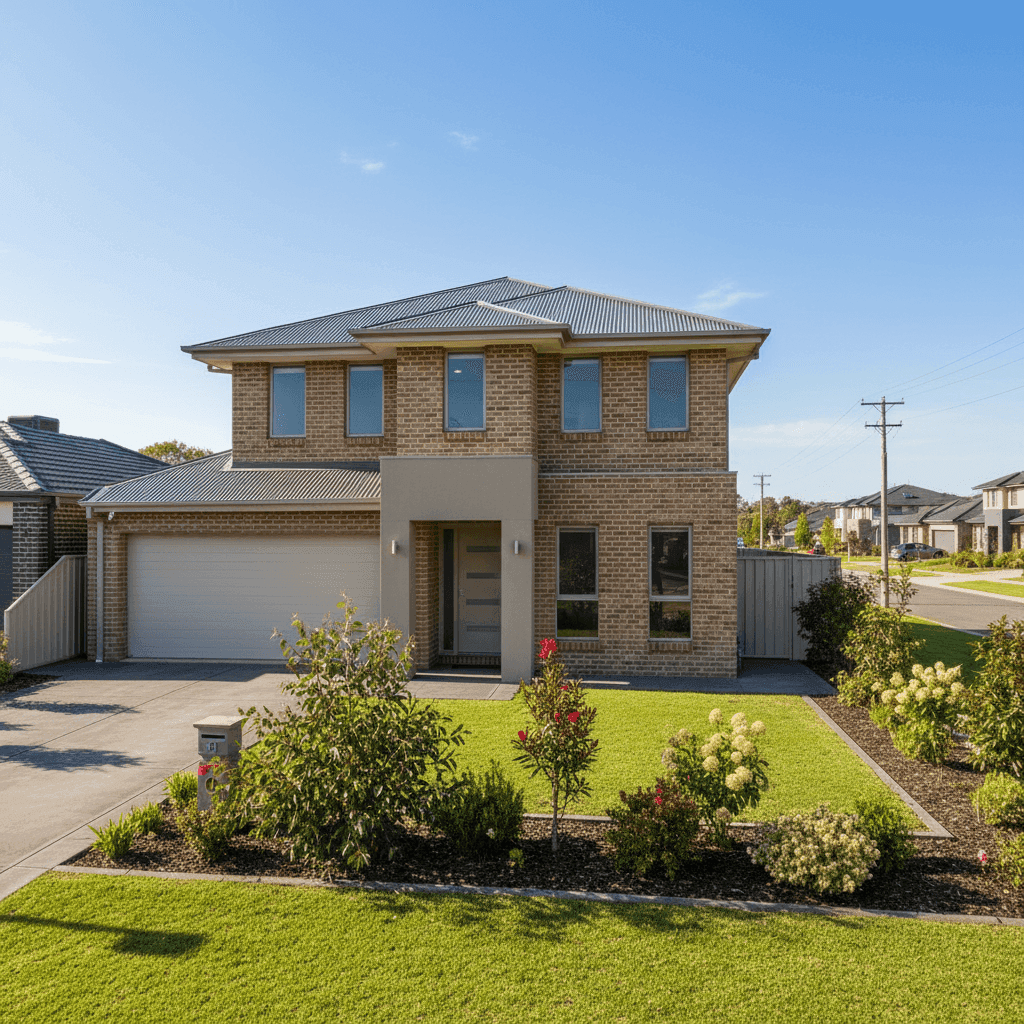
If you own a four-bedroom free standing home in Berwick, VIC 3806, you're likely wondering whether your home and contents insurance premium is competitive — or whether you're quietly paying more than you need to. Berwick is one of Melbourne's most established outer south-east suburbs, known for its family-friendly streetscapes, quality housing stock, and relatively low natural hazard exposure. All of those factors play into what insurers charge. In this article, we break down a real quote for a property in the area and put it into context against suburb, state, and national benchmarks.
---
Is This Quote Fair?
The quote in question comes to $1,982 per year (or $190/month) for combined home and contents cover, with a building sum insured of $866,000 and contents valued at $165,000. Both the building and contents excess sit at $1,000.
Our price rating for this quote is FAIR — Around Average.
That verdict is well supported by the data. Based on 148 quotes collected for Berwick (3806), the suburb average premium sits at $2,219/yr and the median is $1,926/yr. At $1,982, this quote lands almost exactly on the median — meaning roughly half of comparable properties in the suburb are paying less, and half are paying more. It's not a bargain, but it's far from an outlier.
The suburb's interquartile range runs from $1,467/yr at the 25th percentile up to $2,574/yr at the 75th percentile. That's a spread of over $1,100, which tells you there's meaningful variation in what Berwick homeowners pay depending on their specific property, insurer, and cover level. This quote falls comfortably within the middle band — a reasonable outcome for a well-built, modern home with solid coverage limits.
---
How Berwick Compares
One of the most striking takeaways from this analysis is just how favourably Berwick stacks up against broader benchmarks.
| Benchmark | Average Premium | Median Premium |
|---|---|---|
| Berwick (3806) | $2,219/yr | $1,926/yr |
| LGA (Casey) | $2,142/yr | — |
| Victoria | $3,000/yr | $2,718/yr |
| National | $5,347/yr | $2,764/yr |
The Victorian state average of $3,000/yr is significantly higher than what most Berwick residents are paying — roughly 35% more than this particular quote. That gap reflects the diversity of risk across Victoria, where properties in flood-prone regional areas, bushfire zones, or older housing stock can attract substantially higher premiums.
The national average of $5,347/yr looks eye-watering by comparison, though it's worth noting that figure is heavily influenced by high-risk regions in Queensland and Western Australia — particularly areas exposed to cyclones, flooding, and severe storm events. The national median of $2,764/yr is a more useful comparison point, and even then, this Berwick quote comes in below it.
At the LGA level, the City of Casey average of $2,142/yr is close to the Berwick suburb average, which makes sense given that Berwick sits within Casey and shares similar housing characteristics with neighbouring suburbs like Narre Warren and Clyde North.
---
Property Features That Affect Your Premium
Insurers don't price every home the same way — they assess a combination of construction quality, location risk, and the cost to rebuild. Here's how the key features of this property influence the premium:
Brick veneer construction is generally viewed favourably by insurers. It offers good resistance to fire and wind compared to weatherboard or lightweight cladding, which can translate to lower premiums. It's one of the most common wall types in Melbourne's outer suburbs and is well understood by underwriters.
Steel/Colorbond roofing is another positive signal. Colorbond is durable, low-maintenance, and performs well in storms. It's less susceptible to hail damage than terracotta tiles and doesn't crack or dislodge as easily, which reduces the likelihood of weather-related claims.
Concrete slab foundation is standard for homes built in this era and region, and it's considered structurally stable. Combined with a 2010 construction year, this home sits in a sweet spot — modern enough to meet contemporary building codes, but not so new that replacement costs are at a premium.
Timber and laminate flooring can be a modest risk factor for contents and internal damage claims, particularly in the event of water ingress. However, it's a very common flooring type and unlikely to significantly move the needle on premiums.
Ducted climate control is worth noting as it adds to the rebuild cost and the complexity of the home's systems. Insurers factor in the cost of replacing ducted heating and cooling when setting the building sum insured, so it's important that your sum insured accurately reflects this.
At 268 sqm, this is a sizeable home. The $866,000 building sum insured works out to approximately $3,231 per sqm — broadly in line with current construction costs for a well-finished suburban home in Melbourne's south-east.
---
Tips for Homeowners in Berwick
1. Review your sum insured annually. Construction costs have risen considerably over the past few years due to labour shortages and material price increases. A sum insured set two or three years ago may no longer reflect the true cost to rebuild your home. Use a building cost calculator or speak with a quantity surveyor to ensure you're not underinsured.
2. Consider your excess level strategically. This policy carries a $1,000 excess on both building and contents. Opting for a higher excess — say, $2,000 — can meaningfully reduce your annual premium. If you have the savings buffer to cover a larger out-of-pocket expense in the event of a claim, it's worth modelling the trade-off.
3. Don't overlook your contents valuation. $165,000 in contents cover sounds substantial, but it can be consumed quickly when you account for furniture, whitegoods, electronics, clothing, jewellery, and outdoor items. Do a room-by-room audit every year or two to make sure your contents sum is keeping pace with what you actually own.
4. Compare quotes at renewal time. The insurance market is competitive, and loyalty doesn't always pay. Insurers frequently offer better rates to new customers than to those who simply let their policy roll over. Even if your current premium feels reasonable, running a comparison before renewal takes only a few minutes and could save you hundreds.
---
Compare Your Home Insurance Today
Whether you're a first-time buyer in Berwick or a long-term homeowner reviewing your cover, it pays to know where your premium sits relative to the market. CoverClub makes it easy to benchmark your quote against real data from your suburb and beyond.
Get a home insurance quote at CoverClub and find out whether you're getting a fair deal — or whether there's a better option waiting for you.