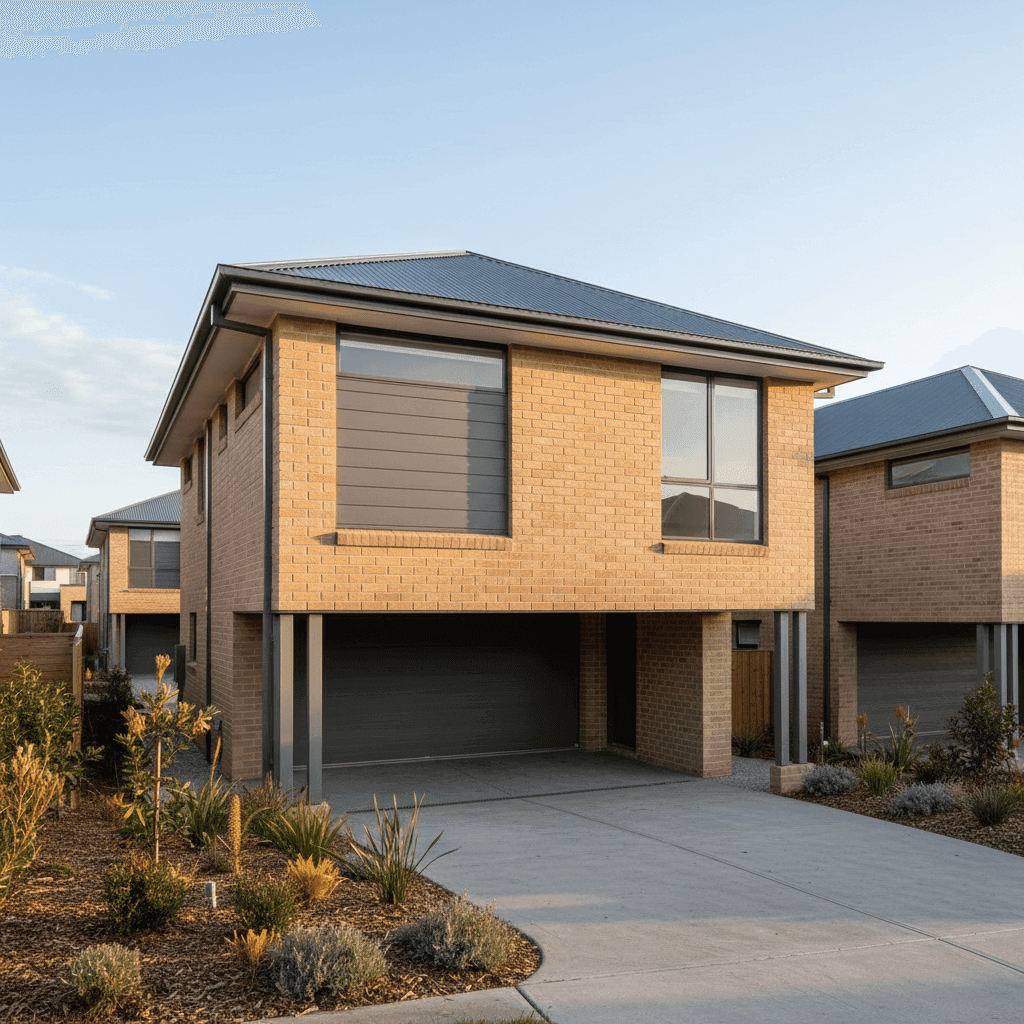
Berwick is one of Melbourne's most established outer south-eastern suburbs — a family-friendly pocket of Casey known for its leafy streetscapes, quality schools, and a steady mix of modern builds and classic homes. This article breaks down a real home and contents insurance quote for a four-bedroom townhouse in Berwick, VIC 3806, examining whether the premium stacks up against local, state, and national benchmarks — and what homeowners can do to keep costs in check.
---
Is This Quote Fair?
The quote in question comes in at $2,811 per year (or $269/month) for combined home and contents cover, with a building sum insured of $1,608,000 and contents valued at $50,000. Both the building and contents excess are set at $1,000.
Our analysis rates this premium as Expensive (Above Average) — and the data backs that up. Based on 148 quotes collected for the Berwick area, the suburb average sits at $2,219/yr and the median at $1,926/yr. This quote lands above the 75th percentile for the suburb ($2,574/yr), meaning it's pricier than roughly three-quarters of comparable quotes in the area.
That said, context matters. The building sum insured of $1,608,000 is substantial — well above what you'd expect for a standard townhouse — and this figure alone will be doing a lot of heavy lifting on the premium. If the rebuild cost estimate is accurate for this property's size (235 sqm) and above-average fittings quality, the higher sum insured may be entirely justified. Overinsuring, however, is a common and costly mistake, so it's worth getting an independent building valuation if you haven't done so recently.
---
How Berwick Compares
Putting this quote in a broader context helps paint a clearer picture:
| Benchmark | Premium |
|---|---|
| This Quote | $2,811/yr |
| Berwick Suburb Average | $2,219/yr |
| Berwick Suburb Median | $1,926/yr |
| Berwick 25th Percentile | $1,467/yr |
| Berwick 75th Percentile | $2,574/yr |
| LGA (Casey) Average | $2,142/yr |
| VIC State Average | $3,000/yr |
| VIC State Median | $2,718/yr |
| National Average | $5,347/yr |
| National Median | $2,764/yr |
Compared to the broader Victorian insurance market, this quote is actually below the state average of $3,000/yr and below the state median of $2,718/yr — a reassuring sign that Berwick isn't considered a high-risk area by insurers. When stacked against national figures, the picture looks even more favourable: the national average of $5,347/yr reflects the outsized impact of high-risk regions like cyclone-prone Far North Queensland and flood-affected areas of NSW, which skew the national data significantly upward.
So while this quote is on the higher end within Berwick, it's actually quite reasonable when viewed through a Victorian or national lens. Homeowners in Casey are, broadly speaking, in a relatively benign risk environment compared to much of the country.
---
Property Features That Affect Your Premium
Several characteristics of this property will be influencing the premium — some pushing it up, others keeping it in check.
Brick veneer construction is generally well-regarded by insurers. It's durable, fire-resistant, and widely used in Melbourne's south-east. Combined with a steel/Colorbond roof, this is a low-maintenance combination that tends to attract more competitive premiums than, say, a weatherboard home with a terracotta tile roof.
Stump foundations are worth noting. While stumps are common in older Victorian homes, a 2009 build on stumps is somewhat unusual and may prompt insurers to apply slightly more scrutiny — particularly around subsidence and movement risk. The property is elevated by less than one metre, which keeps it out of the more expensive elevated/flood-risk categories.
The above-average fittings quality is a meaningful factor. Kitchens and bathrooms fitted with high-end fixtures, stone benchtops, and premium appliances cost significantly more to repair or replace after a claim — and insurers price accordingly. This is likely contributing to the higher building sum insured and, by extension, the premium.
Ducted climate control is another item that adds to rebuild costs. Ducted systems involve substantial infrastructure throughout the home — ductwork, ceiling vents, compressors — and replacing them after a total loss event is expensive. Insurers factor this into their calculations.
On the positive side, the absence of a pool and solar panels removes two common sources of liability and electrical risk from the equation. No cyclone risk designation also means the property avoids the significant premium loadings applied in northern Australia.
The timber and laminate flooring throughout the home is worth keeping in mind for contents cover. Timber floors can be damaged by water ingress, and laminate is particularly vulnerable — so ensuring your contents policy (and building policy) adequately covers flooring is important.
---
Tips for Homeowners in Berwick
1. Review your building sum insured carefully A sum insured of $1,608,000 for a 235 sqm townhouse is on the higher side. While above-average finishes and ducted systems do increase rebuild costs, it's worth commissioning a professional quantity surveyor report to confirm the figure is accurate. Overinsuring means you're paying more premium than necessary; underinsuring leaves you exposed at claim time.
2. Shop around — especially at renewal Insurers regularly reprice their books, and loyalty doesn't always pay. Use a comparison tool like CoverClub to benchmark your renewal quote against the market each year. Given this quote sits above the Berwick suburb average, there may be room to find equivalent cover at a lower price point.
3. Consider a higher excess to reduce your premium Both the building and contents excess on this policy are set at $1,000. Opting for a higher voluntary excess — say, $2,000 or $2,500 — can meaningfully reduce your annual premium. This strategy works well if you have an emergency fund and are unlikely to make small claims.
4. Check what's actually covered under contents At $50,000, the contents sum insured is relatively modest for a four-bedroom home with above-average fittings. Take the time to do a proper contents inventory — furniture, appliances, clothing, electronics, and valuables all add up quickly. Being underinsured on contents is a common oversight that only becomes apparent after a claim.
---
Compare Your Quote with CoverClub
Whether you're renewing your existing policy or shopping for cover on a new property, it pays to see how your quote stacks up. CoverClub aggregates real premium data from Australian homeowners so you can benchmark your quote against your suburb, your state, and the nation. Get started with a free quote comparison today — it takes just a few minutes and could save you hundreds.