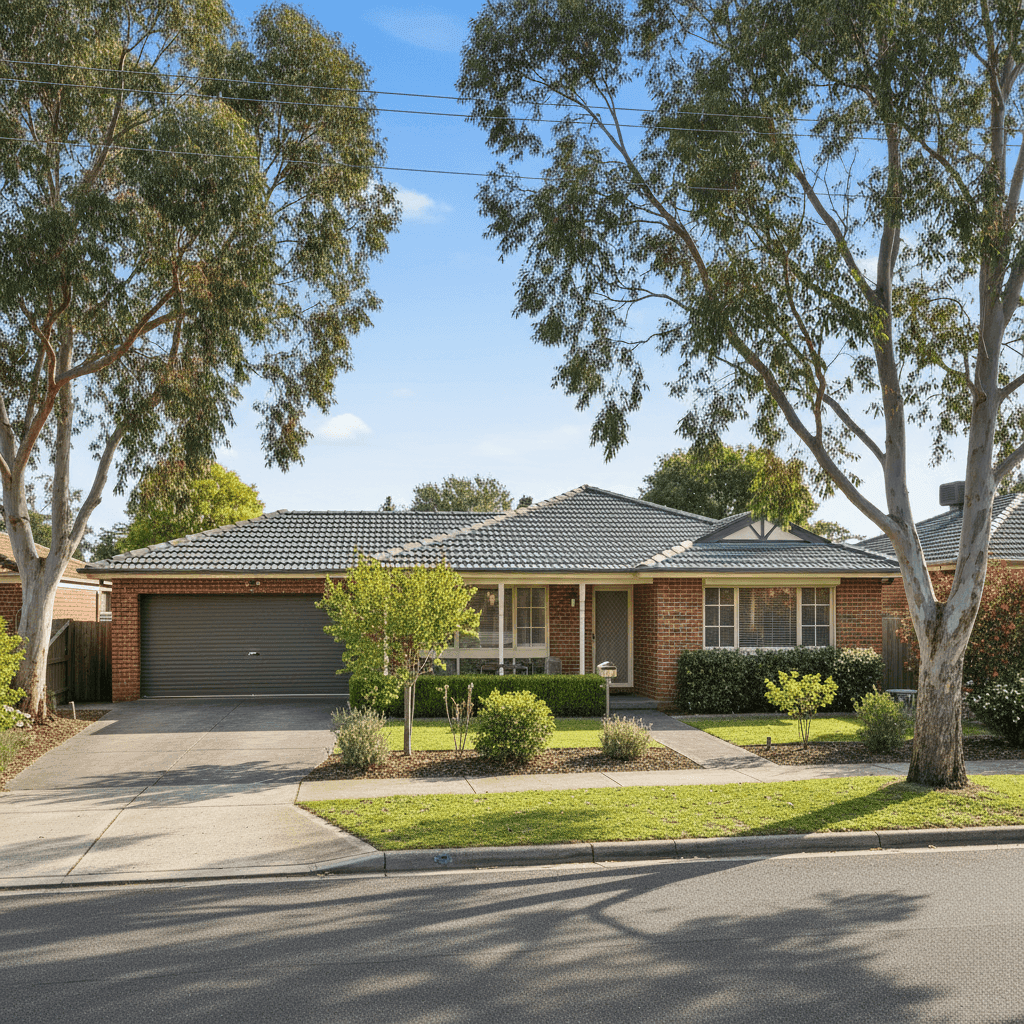
Berwick is one of Melbourne's most established outer south-eastern suburbs — a leafy, family-friendly pocket of the City of Casey that continues to attract homeowners drawn to its blend of older character homes and modern amenities. If you own a free standing home here, understanding what you should be paying for home and contents insurance is one of the smartest financial checks you can make. This article breaks down a real quote we analysed for a three-bedroom, two-bathroom brick veneer home in Berwick, and puts it in context against local, state, and national benchmarks.
---
Is This Quote Fair?
The quote in question comes in at $1,001 per year (or roughly $99/month) for combined home and contents cover, with a building sum insured of $389,000 and contents covered to $20,000. Both the building and contents excess are set at $5,000.
Our price rating for this quote is CHEAP — below average — and the data backs that up convincingly.
The suburb average premium for Berwick sits at $2,227 per year, meaning this quote is roughly 55% below what most homeowners in the area are paying. Even compared to the 25th percentile — the threshold below which only one in four quotes fall — of $1,190 per year, this quote still comes in well under the mark. That's a genuinely strong result.
It's worth noting that the high excess of $5,000 on both building and contents is likely a significant contributor to the lower premium. Opting for a higher excess reduces the insurer's risk exposure on smaller claims, which translates directly into premium savings. This is a legitimate strategy if you have the financial buffer to cover that excess in the event of a claim, but it's something to weigh carefully.
---
How Berwick Compares
To put this quote into proper perspective, here's how Berwick stacks up against broader benchmarks:
| Benchmark | Average Premium | Median Premium |
|---|---|---|
| Berwick (3806) | $2,227/yr | $1,805/yr |
| LGA (Casey) | $2,122/yr | — |
| Victoria | $2,921/yr | $2,694/yr |
| National | $2,965/yr | $2,716/yr |
A few things stand out here. First, Berwick premiums are noticeably lower than both the Victorian and national averages — by around $700–$750 per year at the average level. This reflects a relatively benign risk profile for the suburb: it sits outside cyclone-prone zones, doesn't face the same bushfire exposure as some outer-Melbourne fringe areas, and benefits from established infrastructure.
Second, the City of Casey LGA average of $2,122 per year aligns closely with the Berwick suburb figure, suggesting consistent risk pricing across the local government area.
For a deeper look at how premiums trend across the postcode, visit the Berwick suburb stats page. You can also explore Victoria-wide insurance data or the national overview to see how your area compares on a broader scale.
---
Property Features That Affect Your Premium
Every property has a unique combination of characteristics that insurers weigh when calculating risk. Here's how the features of this particular home come into play:
Brick Veneer Walls Brick veneer is one of the most common external wall types in suburban Melbourne, and insurers generally view it favourably. It offers solid fire resistance and structural durability compared to weatherboard or cladding alternatives, which can contribute to a more competitive premium.
Tiled Roof Terracotta or concrete tiles are considered a standard, low-risk roofing material. They're durable, widely understood by assessors, and don't carry the same premium loading that some materials (like older corrugated iron or certain metal profiles) might attract.
Stump Foundation The home sits on stumps, which is common for properties built in Victoria during the late 20th century. Stumped homes can be more susceptible to movement and moisture-related issues over time, though a well-maintained stump foundation in an established suburb like Berwick is generally not a significant risk flag.
Timber/Laminate Flooring This flooring type is noted in the property profile and is relevant primarily for contents and internal damage assessments. Timber and laminate floors can be costly to repair or replace following water damage events, which is worth keeping in mind when reviewing your contents sum insured.
Construction Year: 1993 At around 30 years old, this home is neither brand new nor heritage-listed. Properties of this era are generally well-understood by insurers — building codes from the early 1990s were reasonably robust, and the home is unlikely to have the structural unknowns of much older dwellings.
Ducted Climate Control The presence of ducted heating and cooling is a notable inclusion. These systems add to the replacement value of the home and can be a source of mechanical failure or fire risk if poorly maintained. Ensuring your building sum insured adequately accounts for the reinstatement cost of this system is important.
No Pool, No Solar Panels The absence of a pool removes a liability and maintenance risk that can nudge premiums upward. Similarly, no solar panels means there's no need to consider additional coverage for rooftop systems — keeping the risk profile straightforward.
---
Tips for Homeowners in Berwick
1. Review your sum insured regularly Building costs in Victoria have risen considerably over recent years. A sum insured of $389,000 for a 139 sqm home may be appropriate today, but it's worth recalculating your rebuild cost annually — especially if you've made renovations or if local construction costs have shifted. Underinsurance is one of the most common and costly mistakes homeowners make.
2. Understand the implications of a $5,000 excess A high excess is a smart lever for reducing premiums, but only if you're genuinely prepared to cover that amount out of pocket. If a burst pipe or storm event causes $6,000 in damage, you'd only receive $1,000 from your insurer. Make sure your emergency fund reflects this commitment.
3. Consider whether $20,000 in contents cover is sufficient Contents insurance at $20,000 is relatively modest for a three-bedroom, two-bathroom home. Walk through each room and tally up the replacement value of furniture, appliances, electronics, clothing, and personal items — many homeowners are surprised to find their contents are worth significantly more than they estimated.
4. Compare quotes at renewal time Even if your current premium is well below the suburb average, the insurance market shifts constantly. Insurers reprice risk based on claims data, reinsurance costs, and weather events. Running a fresh comparison each year ensures you're not paying more than you need to — and that your cover still matches your needs.
---
Ready to See What You Could Pay?
Whether you're reviewing your existing policy or shopping for cover on a new property, CoverClub makes it easy to compare home and contents insurance quotes from multiple providers in one place. Get a quote today and see how your premium stacks up against the Berwick average — you might be surprised at what's available.