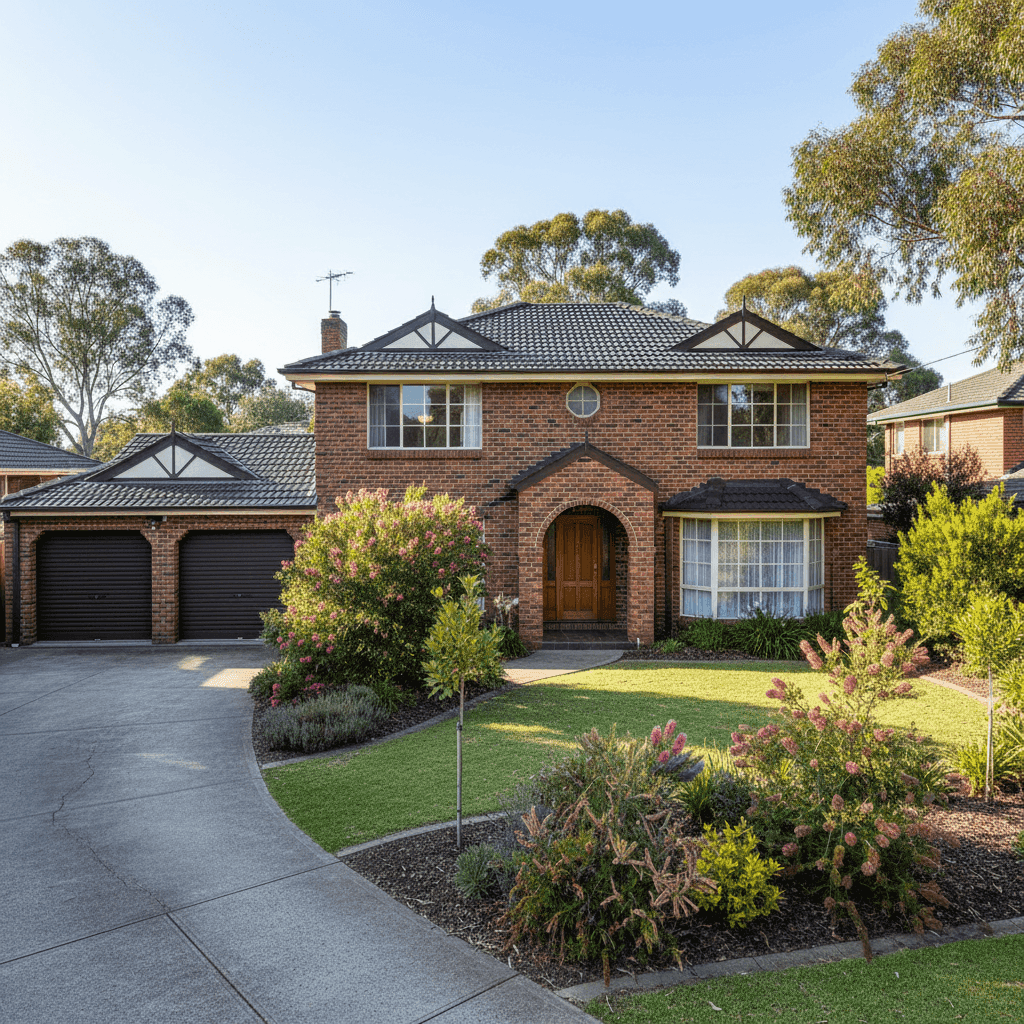
Berwick is one of Melbourne's most established outer south-eastern suburbs — a family-friendly pocket of Casey known for its heritage streetscapes, good schools, and steady property demand. If you own a free standing home in Berwick and you're wondering whether you're paying a fair price for home and contents insurance, you're in the right place. This article breaks down a real insurance quote for a three-bedroom, two-bathroom brick veneer home in the area, and puts it in context against local, state, and national benchmarks.
---
Is This Quote Fair?
The quote in question comes in at $1,532 per year (or roughly $150 per month) for combined home and contents cover — with a building sum insured of $600,000 and contents valued at $50,000. Both the building and contents excess are set at $1,000.
Our price rating for this quote is FAIR — Around Average.
That rating holds up when you look at the numbers. The suburb average premium in Berwick sits at $2,227 per year, and the median is $1,805 per year — meaning this quote comes in below both of those benchmarks. It falls between the 25th percentile ($1,190/yr) and the 75th percentile ($2,768/yr), which places it in a reasonable middle band without being an outlier in either direction.
In short: this isn't a bargain-basement price, but it's also meaningfully below what many Berwick homeowners are paying. For a well-built brick veneer home on stumps with standard fittings, this is a competitive result.
---
How Berwick Compares
To properly appreciate this quote, it helps to zoom out and look at the broader pricing landscape.
| Benchmark | Average Premium | Median Premium |
|---|---|---|
| Berwick (3806) | $2,227/yr | $1,805/yr |
| LGA (Casey) | $2,142/yr | — |
| Victoria | $2,921/yr | $2,694/yr |
| National | $2,965/yr | $2,716/yr |
A few things stand out here. First, Berwick premiums are noticeably lower than the Victorian state average — by around $700 per year on a median basis. That's a meaningful difference, and it reflects the suburb's relatively low-risk profile: no cyclone exposure, a well-established urban environment, and a housing stock that's largely made up of solid brick construction from the 1980s through to the 2000s.
Second, the national average of $2,965 per year is nearly double this particular quote — a reminder of just how much premiums can vary depending on where you live. Coastal and cyclone-prone areas in Queensland and Western Australia, for instance, can push premiums into the thousands even for modest homes.
Based on 151 quotes sampled in the Berwick suburb, the spread is wide — from $1,190 at the 25th percentile to $2,768 at the 75th. This quote sits comfortably within that range, leaning towards the more affordable end.
---
Property Features That Affect Your Premium
Several characteristics of this particular home work in its favour from an insurance pricing perspective.
Brick veneer construction is one of the most insurer-friendly wall types in Australia. It's durable, fire-resistant, and well understood by underwriters. Compared to weatherboard or other timber-framed exteriors, brick veneer typically attracts lower premiums.
Tiled roofing is similarly well-regarded. Tiles are long-lasting and perform well in most weather conditions, which reduces the likelihood of storm-related claims — a major driver of home insurance costs nationally.
Stump foundations are common in Victoria, particularly in homes built in the late 20th century. While stumps can be a consideration for subsidence or movement over time, they're generally not a significant premium driver in established suburban areas like Berwick.
Timber and laminate flooring can be a factor in contents and internal damage claims, but at a standard fittings quality level, this doesn't materially push the premium up.
Ducted climate control is worth noting — it's a moderately valuable fixed asset that contributes to the building sum insured. At $600,000, the building cover is substantial, but appropriate for a 139 sqm home in a suburb where construction costs have risen sharply in recent years.
The absence of a pool and solar panels simplifies the risk profile slightly, removing two common sources of additional liability or equipment-related claims.
---
Tips for Homeowners in Berwick
Whether you're reviewing your existing policy or shopping around for the first time, here are a few practical steps worth considering.
1. Check your building sum insured regularly. Construction costs in Victoria have increased significantly over the past few years. A sum insured that was adequate in 2020 may no longer cover the full cost of rebuilding your home today. Use a building cost calculator or speak with a quantity surveyor to make sure your $600,000 figure still reflects current rebuild costs for a 139 sqm brick veneer home.
2. Don't over-insure your contents — but don't under-insure either. $50,000 in contents cover is a common starting point, but it's worth doing a room-by-room inventory to check whether that figure is realistic. Many homeowners are surprised to find their actual contents value is higher than they assumed, particularly when you factor in electronics, furniture, appliances, and clothing.
3. Consider your excess strategically. Both the building and contents excess on this policy are set at $1,000. Opting for a higher excess can reduce your annual premium, which may make sense if you have the financial buffer to cover that amount in the event of a claim. Conversely, if cash flow is a concern, a lower excess offers more predictable out-of-pocket costs.
4. Compare quotes at renewal time. Insurance loyalty doesn't always pay. Premiums can shift year to year based on insurer appetite, claims data, and market conditions. Even if your current quote is fair, it's worth running a comparison at renewal to ensure you're still getting good value — especially given the wide spread of premiums seen in Berwick.
---
Get a Quote for Your Berwick Home
If you're a homeowner in Berwick or anywhere else in Victoria, CoverClub makes it easy to compare home and contents insurance quotes in one place. Whether you're after a quick benchmark or a thorough side-by-side comparison, start with your address here and see what the market is offering for your specific property. You might be paying more than you need to — or you might find that your current insurer is already doing right by you. Either way, it's worth knowing.