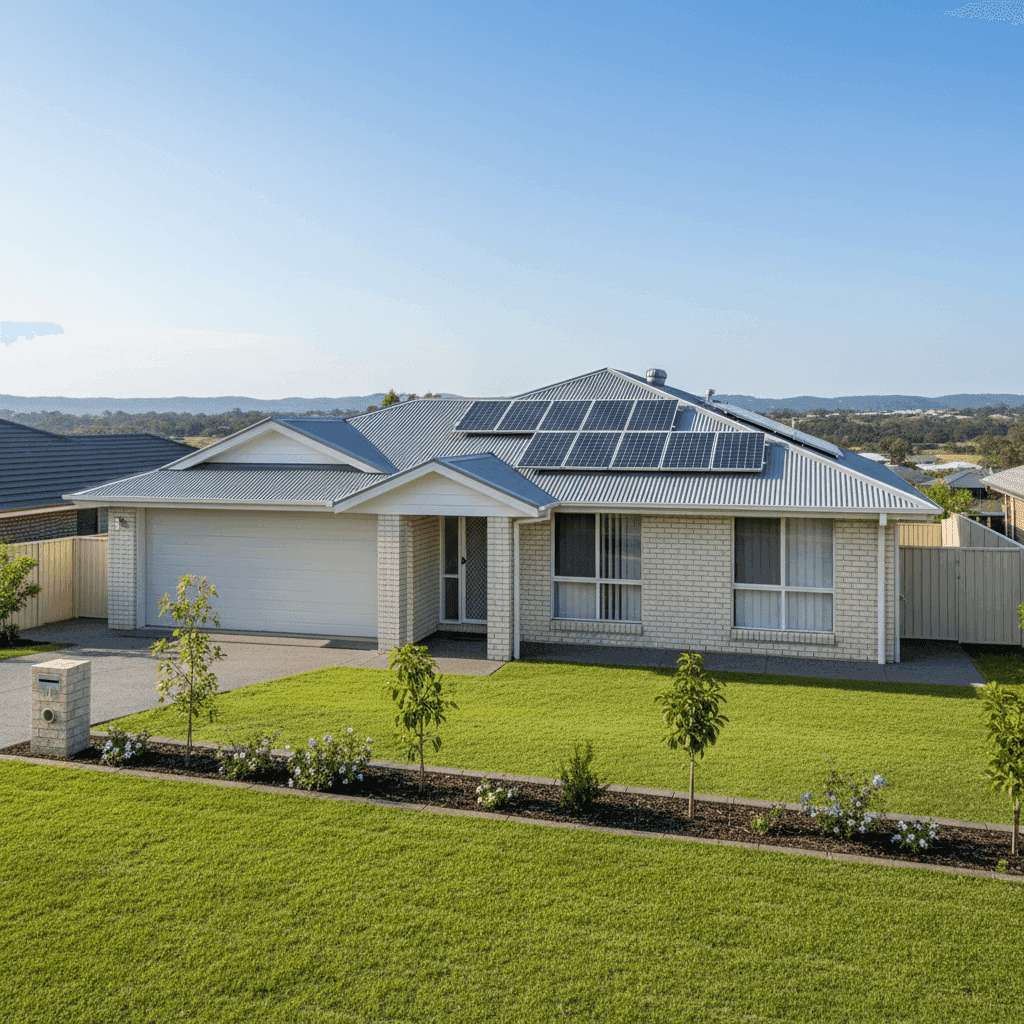
Bilambil Heights is a quiet, leafy suburb nestled in the Tweed region of northern New South Wales, sitting just inland from the Gold Coast border. It's a popular choice for families seeking a relaxed lifestyle with easy access to both coastal amenities and hinterland scenery. For owners of a free standing home in this area, understanding what you should be paying for home and contents insurance — and why — can make a real difference to your household budget.
This article breaks down a recent home and contents insurance quote for a 3-bedroom, 2-bathroom free standing home in Bilambil Heights, comparing it against local, state, and national benchmarks to help you decide whether the price stacks up.
---
Is This Quote Fair?
The quote in question comes in at $3,542 per year (or $346/month), covering both building (sum insured: $850,000) and contents ($110,000), with a $5,000 excess applying to both building and contents claims.
Our price rating for this quote is EXPENSIVE — Above Average.
To put that in context, the suburb average premium for Bilambil Heights sits at $3,170/year, and the median is $2,704/year. This quote lands above both figures, and also sits above the suburb's 75th percentile of $3,357/year — meaning it's priced higher than at least three-quarters of comparable quotes in the area. That's a meaningful signal that there may be room to find better value elsewhere.
It's worth noting, however, that the building sum insured of $850,000 is a significant coverage amount. Higher replacement values naturally push premiums upward, so part of the above-average price may simply reflect the level of cover selected rather than an inefficient policy. That said, it still warrants a closer look.
---
How Bilambil Heights Compares
When you zoom out and look at the broader picture, the pricing landscape becomes more nuanced. Here's how this quote sits relative to different benchmarks:
| Benchmark | Premium |
|---|---|
| This Quote | $3,542/yr |
| Bilambil Heights suburb average | $3,170/yr |
| Bilambil Heights suburb median | $2,704/yr |
| NSW state average | $9,528/yr |
| NSW state median | $3,770/yr |
| National average | $5,347/yr |
| National median | $2,764/yr |
| Tweed LGA average | $26,089/yr |
A few things stand out here. First, the NSW state average of $9,528/year is dramatically higher than this quote — but that average is heavily skewed by high-risk coastal and flood-prone areas across the state. The NSW median of $3,770/year is a more representative figure, and this quote sits just below it, which is a more reassuring comparison.
At the national level, the average of $5,347/year again reflects the influence of extreme-risk properties across Australia. The national median of $2,764/year is closer to what many typical homeowners pay.
Perhaps the most striking figure is the Tweed LGA average of $26,089/year. This extraordinarily high number reflects the fact that many properties within the broader Tweed local government area face severe flood and storm risk — particularly those closer to the Tweed River and low-lying coastal zones. Bilambil Heights, being elevated and inland, benefits from a considerably lower risk profile than many of its LGA neighbours, which is clearly reflected in this quote.
You can explore more localised data on the Bilambil Heights suburb stats page.
> Note: Suburb comparisons are based on a sample of 14 quotes, so while directionally useful, the data should be interpreted with some caution given the relatively small sample size.
---
Property Features That Affect Your Premium
Several characteristics of this property influence how insurers price the risk:
Brick Veneer Construction Brick veneer external walls are generally viewed favourably by insurers. They offer solid fire resistance and structural durability compared to timber or lightweight cladding, which can help moderate premiums.
Steel/Colorbond Roof A Colorbond steel roof is a strong asset from an insurance perspective. It's resistant to fire, highly durable in storms, and less susceptible to damage than older tile roofs. This can contribute to lower premiums compared to properties with ageing or more fragile roofing materials.
Concrete Slab Foundation A slab foundation is standard for properties of this era and is generally considered low-risk. It provides stability and reduces the likelihood of subsidence-related claims compared to some older footing types.
Construction Year: 1989 At around 35 years old, this home falls into a bracket where insurers will consider the age of plumbing, electrical systems, and roofing. While not old enough to attract significant age penalties, it's worth ensuring these systems are well-maintained, as wear-related issues may affect claims outcomes.
Solar Panels The presence of solar panels adds a modest layer of complexity to the policy. Panels are typically covered under building insurance, but their replacement cost should be factored into your sum insured. Insurers may also apply slightly higher premiums to account for the added replacement value and any installation-related roof risks.
Tile Flooring Tiled floors throughout are a practical, low-maintenance choice that insurers generally treat neutrally — they're durable and less susceptible to water damage than carpet or timber, which can be a minor positive in claims scenarios.
No Pool, No Cyclone Risk Zone The absence of a swimming pool removes a common liability and maintenance risk factor. Being outside a designated cyclone risk area also means this property avoids the significant premium loading that applies to homes in northern Queensland and other high-risk cyclone zones.
---
Tips for Homeowners in Bilambil Heights
1. Review your building sum insured carefully An $850,000 building sum insured is substantial. Make sure this figure accurately reflects the rebuild cost of your home — not its market value. Overcovering can mean unnecessarily high premiums, while undercovering leaves you exposed. Consider getting a professional building replacement cost assessment if you haven't done so recently.
2. Compare quotes before renewing This quote is rated above average for the suburb. Before accepting a renewal or committing to a new policy, use a comparison tool like CoverClub to see what other insurers are offering for the same level of cover. Even a modest saving of $300–$500/year adds up significantly over time.
3. Consider your excess level Both the building and contents excess on this policy sit at $5,000 — which is on the higher end. While a higher excess typically reduces your annual premium, it also means a significant out-of-pocket cost if you need to make a claim. Weigh up whether this level of excess suits your financial situation, and ask insurers to quote at different excess levels so you can compare the trade-off.
4. Keep your home well-maintained Given the 1989 construction date, staying on top of maintenance — particularly the roof, gutters, plumbing, and electrical systems — not only protects your home but can also strengthen your position when making a claim. Some insurers may reject or reduce claims where damage is attributable to lack of maintenance rather than an insured event.
---
Find a Better Deal with CoverClub
Whether this quote is the right fit or not, it always pays to compare. CoverClub makes it easy to benchmark your home and contents insurance against real quotes from across Australia, so you can be confident you're getting genuine value for your cover. Get a quote today and see how much you could save on your Bilambil Heights home insurance.