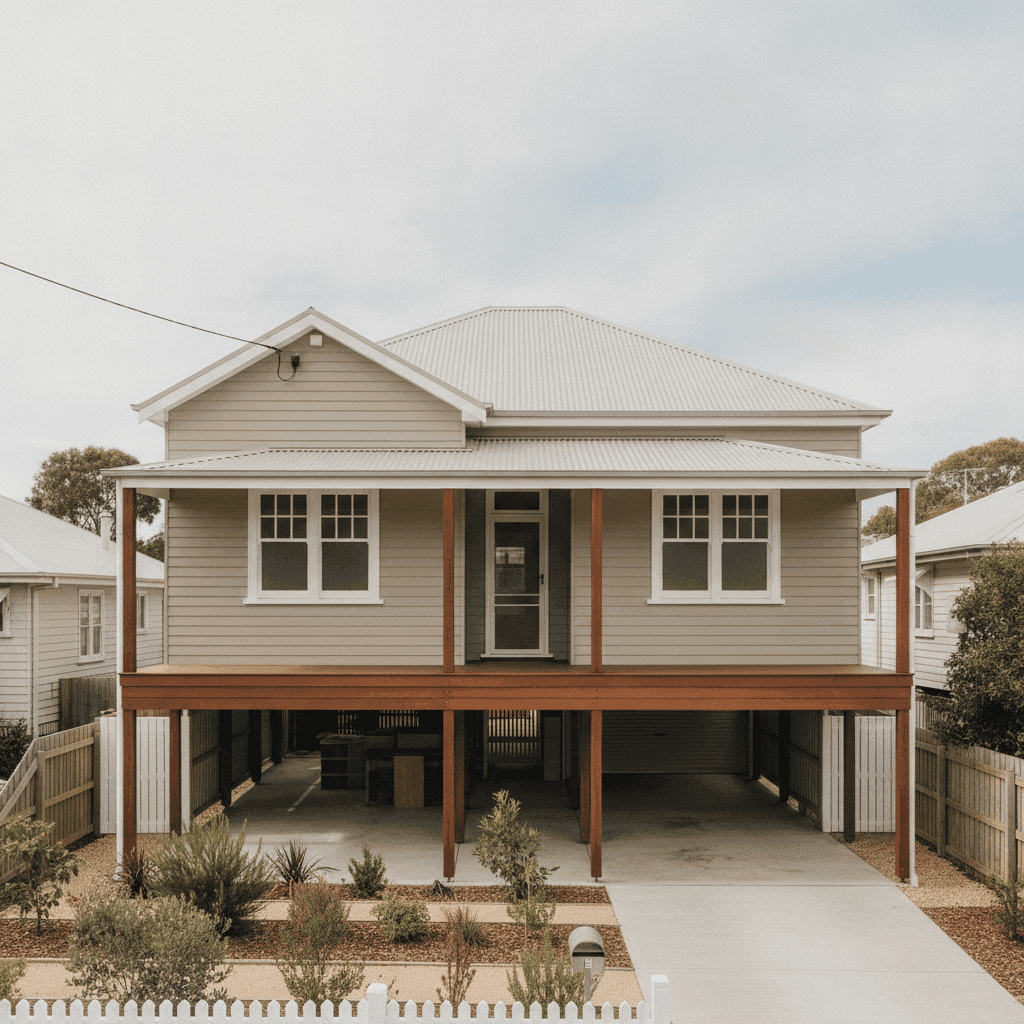
Birkenhead is a well-established suburb in Adelaide's inner north-west, sitting close to the Port River and just a short drive from the CBD. It's a mixed neighbourhood of older character homes and more modern builds, and like much of metropolitan Adelaide, property owners here are increasingly mindful of what they're paying for home insurance. This article breaks down a recent building insurance quote for a three-bedroom free standing home in Birkenhead (SA 5015) — and whether that price stacks up against the local, state, and national landscape.
---
Is This Quote Fair?
The quote in question comes in at $1,110 per year (or $99/month) for building-only cover, with a $1,000 building excess and a sum insured of $301,000. According to CoverClub's pricing data, this quote is rated CHEAP — sitting well below average for the area.
To put that into perspective:
- The suburb average for Birkenhead is $2,687/yr
- The suburb median is $2,409/yr
- Even the 25th percentile (the cheapest quarter of quotes) sits at $1,332/yr
This quote at $1,110 comes in below even the cheapest quartile of local quotes — meaning it represents genuinely strong value by any local benchmark. Homeowners who simply renew their policy each year without shopping around are, on average, paying more than double this figure.
That said, it's worth noting the suburb sample size is relatively small (7 quotes), so averages can shift as more data comes in. Still, the directional signal is clear: this is a competitively priced policy.
---
How Birkenhead Compares
Zooming out beyond the suburb level tells an even more interesting story. You can explore the full breakdown on the Birkenhead suburb stats page.
| Benchmark | Average Premium | Median Premium |
|---|---|---|
| Birkenhead (SA 5015) | $2,687/yr | $2,409/yr |
| South Australia | $2,433/yr | $1,679/yr |
| National | $5,347/yr | $2,764/yr |
A few things stand out here. First, Birkenhead's average premium is actually slightly above the South Australian state average of $2,433/yr — suggesting that local risk factors (more on those below) push premiums up somewhat compared to the broader SA market.
Second, both the suburb and state figures look remarkably affordable against the national average of $5,347/yr. Much of that national figure is driven by high-risk regions in Queensland, Northern Territory, and northern Western Australia — areas exposed to cyclones, severe flooding, and extreme weather events. South Australia, by contrast, enjoys a relatively benign risk profile in most metropolitan areas, which keeps premiums more manageable for the average homeowner.
For this particular property, landing at $1,110/yr — roughly 41% of the SA median and just 40% of the suburb median — is a genuinely strong outcome.
---
Property Features That Affect Your Premium
Several characteristics of this property are worth unpacking, as they directly influence what insurers charge.
Hardiplank / Hardiflex Cladding
The external walls are constructed from Hardiplank Hardiflex — a fibre cement cladding that's popular in Australian residential construction. Insurers generally view this material favourably: it's non-combustible, resistant to rot and termites, and holds up well in moderate weather. Compared to timber weatherboard, it typically attracts lower fire-risk loadings.
Steel / Colorbond Roof
A Colorbond steel roof is one of the most insurer-friendly roofing choices you can make in Australia. It's durable, lightweight, fire-resistant, and requires minimal maintenance. Many insurers apply discounts or simply price more favourably for homes with metal roofing, particularly in areas where hail or bushfire risk is a consideration.
Elevated on Stumps (at Least 1 Metre)
This is perhaps the most nuanced feature from an insurance perspective. Being elevated by at least one metre on stumps can be a double-edged sword. On the positive side, it provides natural protection against surface water flooding — water can pass beneath the home rather than entering it. On the other hand, elevated homes can be more susceptible to wind damage and may cost more to repair due to the complexity of subfloor access. Overall, in a suburb like Birkenhead — which sits near the Port River and low-lying coastal areas — the flood mitigation benefit likely works in the homeowner's favour.
Timber and Laminate Flooring
Flooring type matters when it comes to contents and building claims. Timber and laminate flooring can be costly to replace if water damage occurs, but it's a standard feature that most insurers price into their models without significant loading.
Ducted Climate Control
The presence of ducted climate control adds to the replacement value of the home — it's a significant fixed asset that needs to be covered under building insurance. Ensuring your sum insured accurately reflects the cost of replacing this system (along with all other fixed inclusions) is important to avoid being underinsured.
No Pool, No Solar
The absence of a swimming pool and solar panels simplifies the risk profile slightly. Both features can add complexity to claims and liability considerations, so their absence is a minor but real factor in keeping this premium lean.
---
Tips for Homeowners in Birkenhead
Whether you're reviewing an existing policy or shopping for the first time, here are four practical steps worth taking.
1. Check your sum insured annually. Construction costs in South Australia have risen significantly over recent years. A sum insured of $301,000 for a 130 sqm home may be appropriate today, but it's worth revisiting each year. Use a building cost calculator or speak to a quantity surveyor if you're unsure — being underinsured at claim time can be a costly mistake.
2. Consider your excess strategically. A $1,000 excess is fairly standard, but increasing your excess (say, to $2,000 or $2,500) can meaningfully reduce your annual premium. If you have a solid emergency fund and are unlikely to make small claims, a higher excess is often a smart trade-off.
3. Don't overlook flood cover. Birkenhead's proximity to the Port River and low-lying coastal terrain means flood risk is worth taking seriously. Check whether your policy explicitly includes flood cover — some policies treat flood and storm surge as separate events, and exclusions can catch homeowners off guard.
4. Shop around at renewal time. The data above makes it clear: premiums for the same property can vary enormously between insurers. The difference between the cheapest and most expensive quotes in Birkenhead spans thousands of dollars per year. Making a habit of comparing quotes annually — rather than auto-renewing — is one of the simplest ways to keep your insurance costs in check.
---
Ready to Compare Home Insurance in Birkenhead?
Whether you're a first-time buyer or a long-time homeowner, getting a fresh quote takes just a few minutes. CoverClub makes it easy to compare building and contents insurance options side by side, so you can see exactly where you stand against the market.