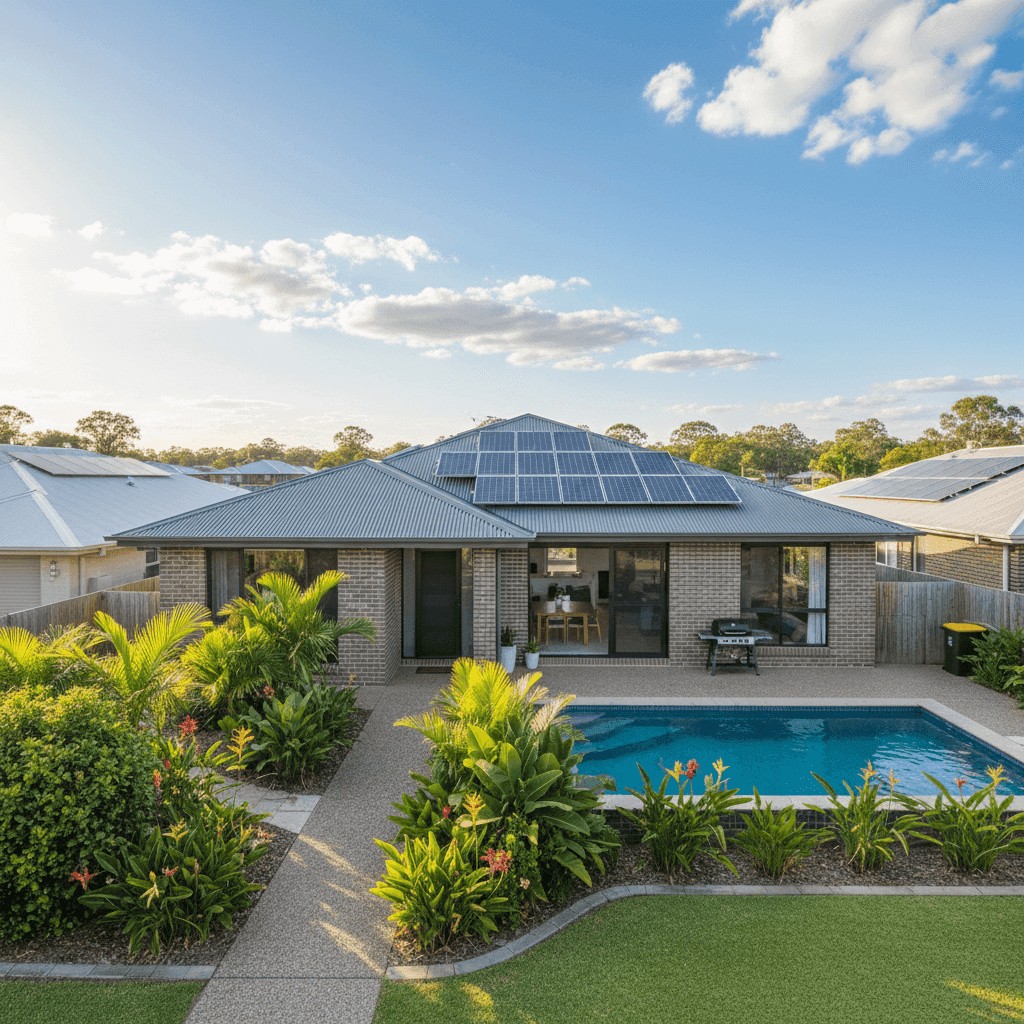
Bli Bli is a quiet residential suburb on Queensland's Sunshine Coast, sitting just inland from the Maroochy River and offering a relaxed lifestyle that's attracted steady residential growth over the past two decades. For owners of a free standing home in this area, understanding what you should be paying for home and contents insurance — and why — can make a meaningful difference to your household budget. This article breaks down a real insurance quote for a three-bedroom, two-bathroom brick veneer home in Bli Bli (postcode 4560), compares it against local, state and national benchmarks, and offers practical tips to help you get the best value cover.
---
Is This Quote Fair?
The quote in question comes in at $2,646 per year (or $247/month) for combined home and contents insurance, covering a building sum insured of $455,000 and contents valued at $60,000, each with a $500 excess.
Our price rating for this quote is FAIR — Around Average, and the data backs that up. Based on 85 quotes collected for Bli Bli (4560), the suburb median sits at $3,173/yr, which means this quote is actually tracking below the local median — a positive sign for the homeowner. The suburb's 25th percentile is $2,304/yr and the 75th percentile is $4,037/yr, placing this quote comfortably in the middle band of what local homeowners are paying.
In short: this is a reasonable price for the cover provided. It's not the cheapest quote available in the suburb, but it's well clear of the upper range and below the typical midpoint. For a property with a pool and solar panels — both of which can nudge premiums upward — landing in this range is a solid outcome.
---
How Bli Bli Compares
One of the most striking figures in Bli Bli's insurance data is the suburb average of $15,851/yr — a number that looks alarming at first glance. However, averages can be heavily skewed by a small number of very high-premium properties (often those with high replacement values or specific risk exposures), which is why the median of $3,173/yr is a more reliable indicator of what most homeowners actually pay.
Here's how the numbers stack up across different levels:
| Benchmark | Average | Median |
|---|---|---|
| Bli Bli (4560) | $15,851/yr | $3,173/yr |
| Sunshine Coast LGA | $7,249/yr | — |
| Queensland | $9,129/yr | $3,903/yr |
| National | $5,347/yr | $2,764/yr |
The Queensland state average of $9,129/yr reflects the elevated risk profile of insuring properties across the state — Queensland is disproportionately exposed to cyclones, flooding, hailstorms and severe thunderstorms compared to southern states. The Sunshine Coast LGA average of $7,249/yr sits below the state average, suggesting the region carries a somewhat lower overall risk profile than parts of Far North Queensland or flood-prone inland areas.
Interestingly, the national median of $2,764/yr is actually lower than Bli Bli's median, which is consistent with Queensland homeowners generally paying more than their interstate counterparts due to the state's weather risk environment.
At $2,646/yr, this quote sits just below both the Bli Bli median and the national median — a reasonable position given the property's features and location.
---
Property Features That Affect Your Premium
Several characteristics of this property have a direct bearing on the insurance premium:
Brick Veneer Walls & Colorbond Roof Brick veneer construction is generally well-regarded by insurers — it's durable, fire-resistant and performs well in high-wind events. A Colorbond steel roof is similarly viewed positively: it's lightweight, resistant to corrosion, and handles Queensland's intense UV and rain exposure better than many alternatives. Together, these construction materials typically attract more competitive premiums than, say, weatherboard walls or terracotta tile roofs.
Slab Foundation & Tile Flooring A concrete slab foundation is standard for Queensland homes of this era and is considered low-risk by insurers. Tiled flooring is durable and easy to remediate after water damage, which can be a minor positive factor in premium calculations.
Swimming Pool A pool adds liability exposure — if a visitor or neighbour is injured, the homeowner may face significant legal costs. Most home insurance policies include public liability cover, but the presence of a pool is a factor insurers note when pricing a policy. Ensuring your policy includes adequate liability cover (typically $10 million or more) is essential for pool owners.
Solar Panels Solar panels are now a standard feature on many Queensland homes, but they do add to the replacement cost of the building. The $455,000 building sum insured on this policy should account for the cost of reinstalling the solar system in the event of a total loss. It's worth confirming with your insurer that solar panels are explicitly covered under your building policy.
Built in 2008 A construction year of 2008 places this home in a relatively modern bracket — post the major building code updates of the early 2000s that introduced stricter cyclone and wind resistance requirements in Queensland. This generally works in the homeowner's favour when it comes to pricing.
No Cyclone Risk Designation Bli Bli does not fall within a designated cyclone risk zone, which is a meaningful premium reducer compared to properties on the Far North Queensland coast. This is one reason why Sunshine Coast premiums tend to be more moderate than those in Cairns or Townsville.
---
Tips for Homeowners in Bli Bli
1. Review your building sum insured regularly Construction costs have risen sharply across Queensland in recent years. The $455,000 sum insured on this policy should reflect the full cost of rebuilding — not the market value of the property. Use a building cost calculator or ask a quantity surveyor to verify your figure is still accurate, especially if you've made any renovations or additions.
2. Check your pool compliance is up to date Queensland has strict pool fencing and safety regulations. Non-compliant pool barriers can affect your liability cover and may even void claims in some circumstances. Ensure your pool fence meets current standards and that your insurer is aware the pool exists.
3. Confirm solar panels are listed on your policy As noted above, solar systems can represent a significant portion of a home's replacement value. Call your insurer to confirm the panels are covered and that the sum insured reflects their replacement cost. Some policies treat solar panels as a building fixture; others may require a separate endorsement.
4. Compare quotes at renewal time Even a "fair" quote can be improved upon. The insurance market is competitive, and premiums can vary significantly between providers for the same property and cover level. Using a comparison platform at renewal is one of the simplest ways to ensure you're not overpaying.
---
Ready to Compare?
Whether you're a first-time buyer or a long-term Bli Bli resident, it pays to shop around. CoverClub makes it easy to compare home and contents insurance quotes tailored to your property. Get a quote today at CoverClub and see how your current premium stacks up — you might be surprised at what's available.