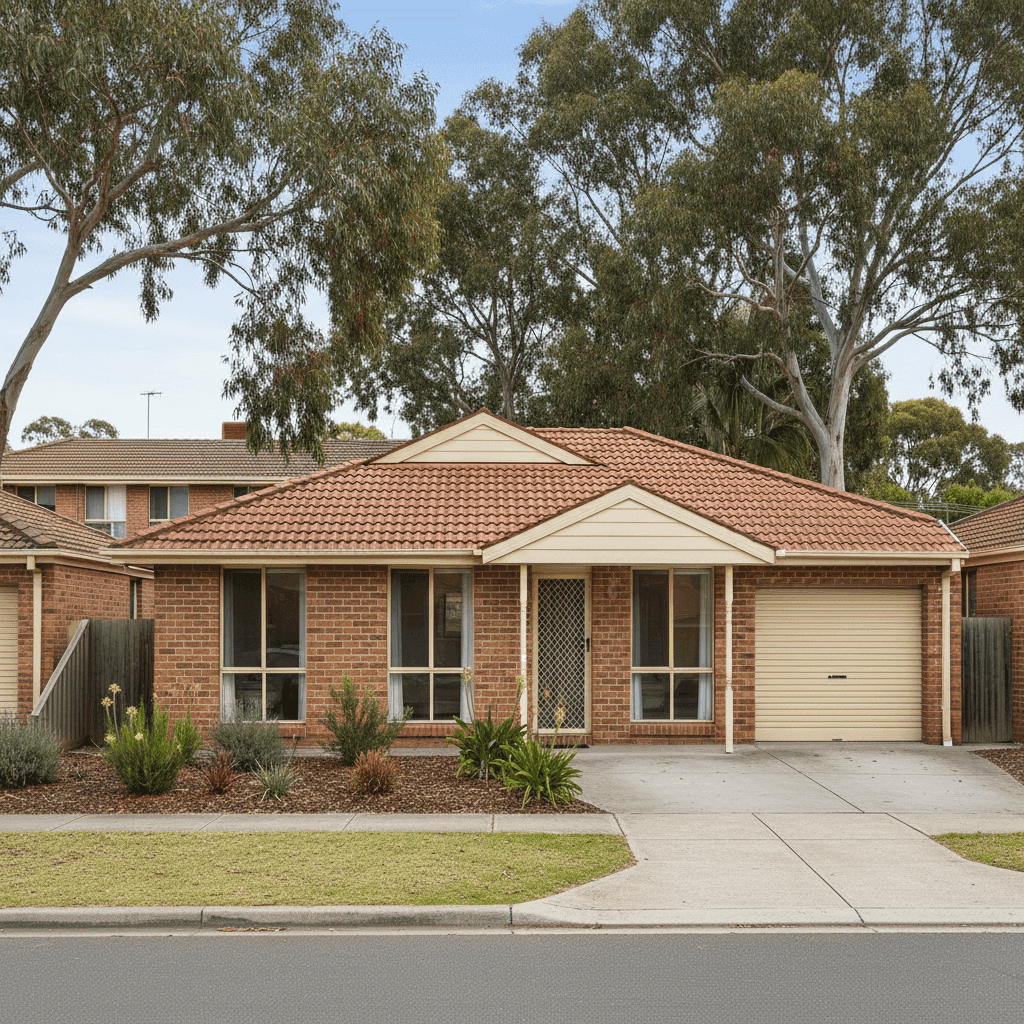
If you own a townhouse in Bligh Park, NSW 2756, you might be wondering whether your home insurance premium is competitive — or whether you're quietly paying too much. This article breaks down a real building insurance quote for a three-bedroom townhouse in the suburb, putting it in context against local, state, and national benchmarks so you can make a more informed decision.
---
Is This Quote Fair?
The short answer: yes — and then some. The annual premium for this quote comes in at $1,847 per year (or $177 per month), which CoverClub's pricing engine rates as CHEAP — Below Average. That's a meaningful distinction, not just a label.
To put it plainly, this quote sits well below what most Bligh Park homeowners are paying. The suburb average for Bligh Park sits at $2,742 per year, and the median is almost identical at $2,750. That means this particular quote is roughly $895 cheaper per year than the typical policy being written in the same postcode — a saving of about 33%.
Even the 25th percentile — meaning the cheapest quarter of quotes in the suburb — sits at $2,162 per year. This quote undercuts even that benchmark, placing it firmly in the most affordable tier available locally.
The building excess is $2,000, which is on the higher side and likely contributes to keeping the premium down. It's worth factoring that into your thinking: a lower excess would typically push the premium up, so the true cost comparison depends on your appetite for out-of-pocket expenses at claim time.
---
How Bligh Park Compares
Zooming out beyond the suburb reveals just how well-priced this quote really is.
| Benchmark | Annual Premium |
|---|---|
| This quote | $1,847 |
| Bligh Park suburb average | $2,742 |
| Bligh Park suburb median | $2,750 |
| NSW state average | $9,528 |
| NSW state median | $3,770 |
| National average | $5,347 |
| National median | $2,764 |
| Lithgow LGA average | $11,842 |
The NSW state average of $9,528 is heavily skewed by high-risk areas — flood zones, bushfire corridors, and coastal storm-prone regions can push premiums into the tens of thousands. The state median of $3,770 is a more realistic representation of what NSW homeowners typically pay, and this quote still beats it by nearly $2,000.
At the national level, the average premium of $5,347 reflects the wide spread of risk across Australia, from cyclone-prone Queensland to bushfire-affected parts of Victoria and South Australia. The national median of $2,764 is again more instructive — and this quote sits comfortably below it.
Perhaps most striking is the Lithgow LGA average of $11,842 — a figure that reflects the elevated risk profiles of some properties within that broader local government area. Bligh Park, sitting within the Hawkesbury LGA rather than Lithgow, benefits from a more favourable risk environment, and this quote reflects that clearly.
---
Property Features That Affect Your Premium
Several characteristics of this property work in favour of a lower premium:
Brick veneer construction is generally well-regarded by insurers. It offers solid structural performance, reasonable fire resistance, and durability — all factors that reduce the likelihood and cost of a claim. Compared to timber-framed or clad exteriors, brick veneer tends to attract more competitive pricing.
Tiled roofing is another positive signal. Tiles are durable, fire-resistant, and widely used across Australian suburban housing stock. They tend to hold up well in storms compared to corrugated iron or older materials, which can lower the insurer's expected repair costs.
Slab foundation is standard for properties of this era and construction type, and it's generally a neutral-to-positive factor. It avoids the complications that can come with older stumped or suspended floor systems.
Built in 1990, the property sits in a sweet spot — old enough to have settled and proven its structural integrity, but modern enough to meet building codes that reduce certain risk categories. Properties built before the 1980s can sometimes attract loading for older wiring or plumbing systems.
Above-average fittings quality does push the sum insured higher — at $404,000 for a 105 sqm townhouse, this reflects the cost of replacing quality fixtures, finishes, and fittings. Insurers calculate rebuild costs based on what's actually in the home, so a higher-spec interior will require a higher sum insured to be properly protected.
The absence of a pool, solar panels, and ducted climate control simplifies the risk profile and keeps the premium lean. Each of those additions can introduce incremental costs, so their absence here is a minor but real contributor to the competitive pricing.
---
Tips for Homeowners in Bligh Park
1. Review your sum insured annually. Construction costs in NSW have risen significantly in recent years. The $404,000 sum insured on this policy should be revisited each year to ensure it still reflects the true cost of rebuilding — not just the market value of the property. Underinsurance is one of the most common and costly mistakes homeowners make.
2. Consider whether building-only cover is sufficient. This quote covers the building structure only. If you own contents of significant value — furniture, appliances, clothing, electronics — a combined building and contents policy may offer better overall value. Run the numbers and compare; sometimes the bundled premium is surprisingly close to building-only.
3. Understand your excess before you commit. The $2,000 building excess on this policy is meaningful. If you were to make a claim for minor storm damage or a small repair, you'd be paying the first $2,000 out of pocket. If that feels uncomfortable, ask your insurer about the cost of reducing the excess — it may be worth paying a slightly higher premium for that peace of mind.
4. Shop the market at renewal time. Insurance loyalty rarely pays off. Premiums can shift significantly from year to year, and insurers don't always pass on competitive pricing to existing customers. Using a comparison platform like CoverClub at renewal gives you a live read on where the market sits — and whether your current insurer is still offering fair value.
---
Compare Your Own Quote at CoverClub
Whether you're a first-time buyer or a long-time Bligh Park resident, understanding how your premium stacks up is the first step to making sure you're not overpaying. CoverClub makes it easy to get a home insurance quote and instantly see how it compares to others in your suburb, state, and across Australia. It takes minutes — and the savings can be significant.