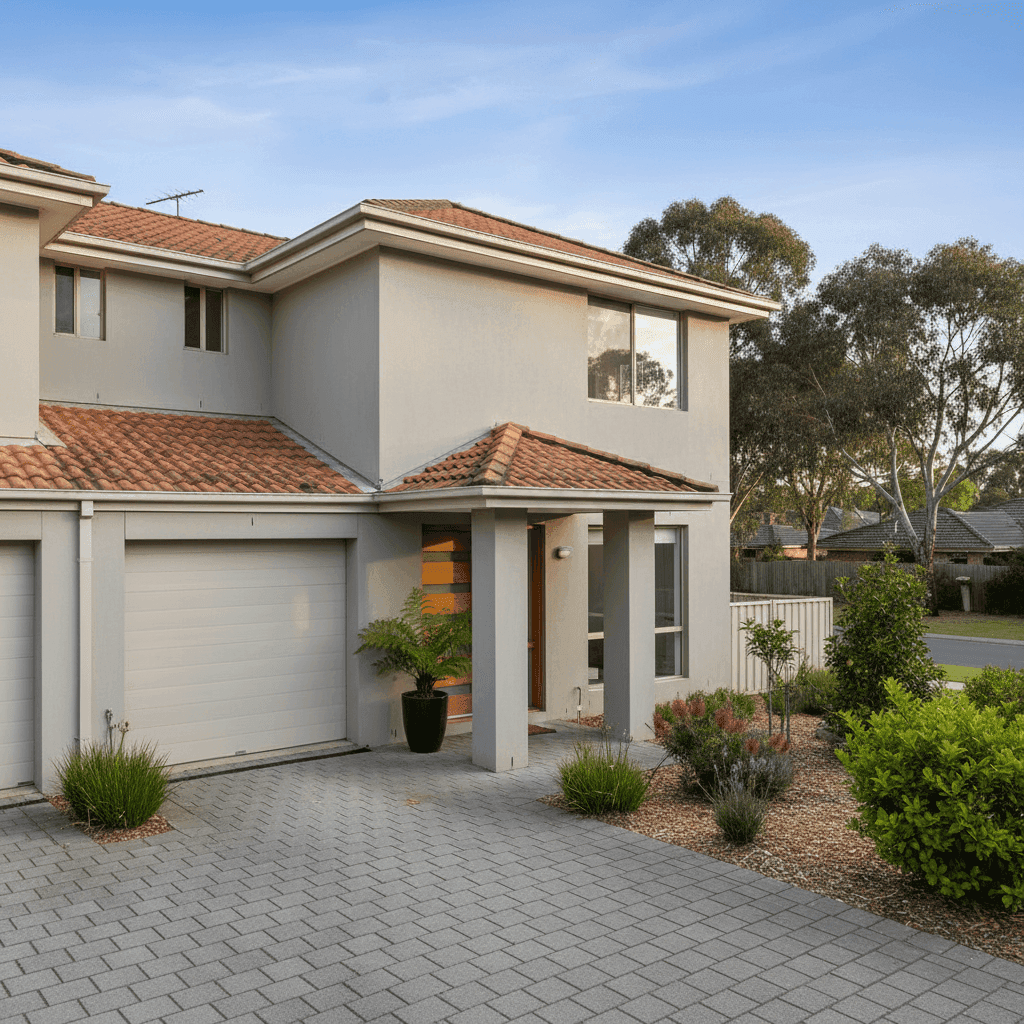
If you own a townhouse in Bligh Park, NSW 2756, you're likely curious about whether your home insurance premium stacks up against what your neighbours are paying — or what the rest of the country pays. We've analysed a recent building-only insurance quote for a three-bedroom, one-bathroom townhouse in this western Sydney suburb to give you a clear picture of where the price sits and what's driving it.
---
Is This Quote Fair?
The quoted annual premium for this property is $2,953 per year (or around $288 per month), with a $1,000 building excess. The price rating for this quote is FAIR — Around Average, and the numbers back that up.
Compared to the suburb average for Bligh Park of $2,975 per year, this quote comes in just $22 below the local benchmark — essentially right on the money. It also sits comfortably below the suburb's median premium of $3,224, meaning more than half of comparable quotes in the area are actually more expensive.
When you zoom out to the state level, the picture becomes even more favourable. The NSW average home insurance premium is $3,801 per year — nearly $850 more than this quote. Against the national average of $2,965, the quote is virtually identical, sitting just $12 below the Australian benchmark.
In short: this is a competitive, market-aligned premium. It's not a bargain-basement price, but it's a solid result for a well-built townhouse in a suburban Sydney location.
---
How Bligh Park Compares
Understanding where Bligh Park sits in the broader insurance landscape helps put this quote in context.
| Benchmark | Annual Premium |
|---|---|
| This Quote | $2,953 |
| Bligh Park Suburb Average | $2,975 |
| Bligh Park Suburb Median | $3,224 |
| Bligh Park 25th Percentile | $2,133 |
| Bligh Park 75th Percentile | $3,718 |
| NSW State Average | $3,801 |
| NSW State Median | $3,410 |
| National Average | $2,965 |
| National Median | $2,716 |
| Lithgow LGA Average | $5,454 |
A few things stand out here. First, Bligh Park premiums are notably below the NSW state average — a meaningful saving for homeowners in this part of the Hawkesbury region compared to many other parts of New South Wales. Second, the Lithgow LGA average of $5,454 is a striking contrast, reflecting the elevated risk profiles (including bushfire exposure) that affect properties in more inland or rural parts of the broader region.
It's worth noting that the suburb sample size is 13 quotes, which is a reasonably small dataset. As more data becomes available, these averages may shift — but the current figures provide a useful directional guide. You can explore the latest Bligh Park insurance stats as the dataset grows.
---
Property Features That Affect Your Premium
Every home insurance quote is shaped by the specific characteristics of the property. Here's how the features of this particular townhouse influence the premium:
Concrete external walls are one of the most premium-friendly construction materials available. Concrete is highly resistant to fire, impact, and weather damage, and insurers generally reward this with lower risk assessments compared to timber-framed or weatherboard homes.
Tiled roof is another positive factor. Terracotta or concrete roof tiles are durable, fire-resistant, and perform well in hail events — all of which contribute to a more favourable risk profile than, say, a corrugated iron or Colorbond roof in some assessments.
Slab foundation is standard for a year-2000 build and is considered structurally sound and low-risk by most insurers. It also reduces the likelihood of subsidence or underfloor moisture issues.
Above-average fittings quality is a notable factor that pushes the sum insured higher. At $1,020,000, the building sum insured reflects not just the floor area (105 sqm) but the cost to rebuild with quality fixtures, finishes, and fittings. Above-average kitchens, bathrooms, and flooring materials are more expensive to replace, and the sum insured should always reflect that replacement cost — not the market value of the property.
Being part of a body corporate or strata scheme is an important consideration. In a strata arrangement, the owners corporation typically holds a master building insurance policy covering the entire complex. Individual owners should confirm exactly what is and isn't covered under that policy — particularly for internal fixtures, improvements, and liability — before taking out separate cover.
The absence of a pool, solar panels, and ducted climate control keeps the risk profile clean and the premium lean. Each of those features can add complexity and cost to a policy.
---
Tips for Homeowners in Bligh Park
Whether you're reviewing an existing policy or shopping for the first time, these practical tips can help you get the best outcome:
- Clarify your strata coverage before doubling up. If your property is part of a strata scheme, request a copy of the owners corporation's insurance certificate of currency. Understand what the master policy covers and identify any gaps — particularly around internal improvements you've made to the property, temporary accommodation, and personal liability.
- Review your sum insured annually. Building costs have risen significantly across Australia in recent years. The $1,020,000 sum insured on this property reflects above-average fittings, but it's worth reassessing every year to ensure you're not underinsured. Use a building cost calculator or ask your insurer to help you estimate the current rebuild cost.
- Consider your excess carefully. A $1,000 building excess is standard, but opting for a higher voluntary excess can reduce your annual premium. If you have a solid emergency fund and are unlikely to make small claims, a higher excess can be a smart trade-off.
- Shop around at renewal time. Loyalty doesn't always pay in the insurance market. Insurers often offer better rates to new customers than to long-standing ones. Use a comparison platform like CoverClub to benchmark your renewal quote against the market before you automatically roll over.
---
Compare Your Own Quote
Curious how your home insurance premium measures up? CoverClub makes it easy to compare building and contents insurance quotes for properties across Australia. Whether you're in Bligh Park or elsewhere in NSW, you can get a quote and see how your premium compares to your suburb, state, and national averages — all in one place. Knowledge is the best tool you have when it comes to getting a fair deal on your home insurance.