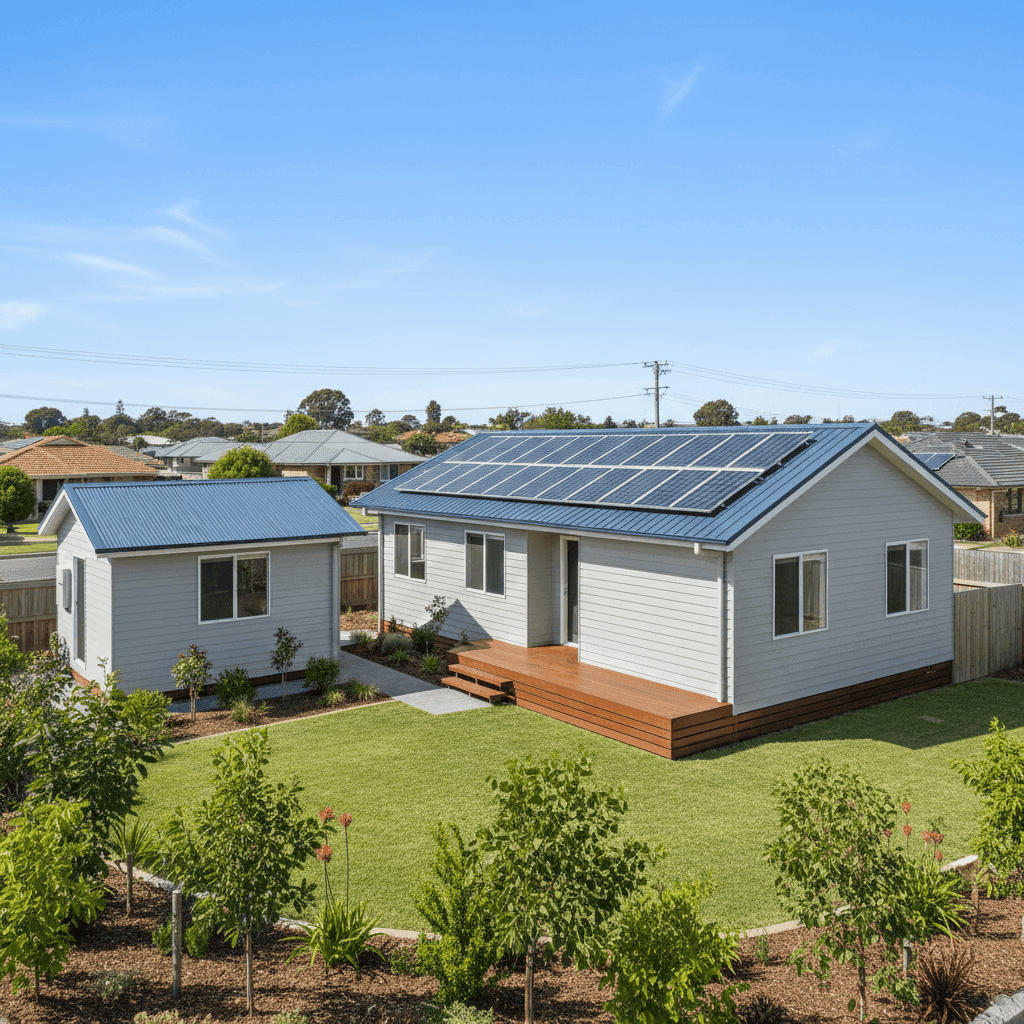
Blue Haven is a quiet residential suburb on the Central Coast of New South Wales, sitting within the 2262 postcode and forming part of the broader Central Coast LGA. It's a popular area for families and retirees alike, with a mix of established homes and newer builds spread across leafy streets. This article takes a close look at a real home insurance quote for a six-bedroom free standing home in the area — examining whether the price stacks up, how it compares to local and national benchmarks, and what property features are likely driving the cost.
---
Is This Quote Fair?
The quote in question comes in at $11,122 per year (or $1,085/month) for combined home and contents cover, with a building sum insured of $1,007,000 and contents valued at $50,000. The building excess is $3,000 and the contents excess is $1,000.
Our price rating for this quote is EXPENSIVE — Above Average. That's not a label we apply lightly. To put it in perspective:
- The suburb average for Blue Haven is $2,809/yr, and the median sits at $2,179/yr
- The NSW state average is $3,801/yr, with a median of $3,410/yr
- The national average is $2,965/yr, with a median of $2,716/yr
This quote is roughly four times the Blue Haven suburb average and nearly three times the NSW state average. Even when you account for the fact that this is a large, six-bedroom home with a granny flat and solar panels — all of which add to the insured value — the premium is sitting well above what most comparable properties in the area attract.
That said, it's worth noting that the suburb's 75th percentile lands at $3,642/yr, which means even the pricier end of the local market is a fraction of this quote. With a building sum insured of just over $1 million, the sheer scale of the rebuild cost is the single biggest driver here. Insurers price building cover proportionally to the sum insured, so a $1,007,000 building value will always attract a significantly higher premium than a home insured for $400,000–$600,000.
---
How Blue Haven Compares
To understand the full picture, it helps to look at Blue Haven's insurance statistics alongside NSW state-wide data and national benchmarks.
| Benchmark | Average Premium | Median Premium |
|---|---|---|
| Blue Haven (2262) | $2,809/yr | $2,179/yr |
| Central Coast LGA | $4,203/yr | — |
| NSW | $3,801/yr | $3,410/yr |
| National | $2,965/yr | $2,716/yr |
A few things stand out here. Blue Haven's average and median are actually below both the state and national averages, which suggests it's a relatively affordable suburb to insure — at least for typical homes. The Central Coast LGA average of $4,203/yr is higher than the suburb average, which likely reflects the diversity of property types and risk profiles across the broader council area, including waterfront and flood-prone properties.
The quote we're analysing sits above all of these benchmarks — but as discussed, the high building sum insured is the primary explanation. The sample of 67 quotes used to calculate the suburb averages likely skews toward more modestly sized and valued homes.
---
Property Features That Affect Your Premium
Several characteristics of this property have a direct bearing on what insurers charge. Here's a breakdown of the key factors:
Size and Sum Insured At 325 sqm with six bedrooms and three bathrooms, this is a substantial home. The $1,007,000 building sum insured reflects the cost to fully rebuild a property of this scale, which is the single largest driver of the premium.
Granny Flat The presence of a granny flat adds both floor space and complexity to a rebuild. Insurers factor in the additional structure when calculating replacement costs, which pushes the sum insured — and therefore the premium — higher.
Construction: Hardiplank/Hardiflex Walls and Colorbond Roof Fibre cement cladding (like Hardiplank or Hardiflex) and Colorbond steel roofing are generally viewed favourably by insurers. Both materials are durable, fire-resistant, and low-maintenance, which can help moderate risk assessments compared to, say, weatherboard or terracotta tiles.
Stump Foundation Homes on stumps can attract slightly higher premiums than slab-on-ground properties, as the elevated structure may be more susceptible to storm and wind damage. That said, stumps also allow for better ventilation and can reduce moisture-related risks in some climates.
Solar Panels Solar panels are an asset worth insuring, but they also add to the replacement cost of the home. Some insurers include solar systems under building cover automatically; others may require specific mention. It's worth confirming with your insurer exactly how your panels are covered.
Construction Year: 1985 A home built in 1985 is now approaching 40 years old. Older homes can attract higher premiums due to the potential for ageing electrical wiring, plumbing, and roofing components. Insurers may price in a higher likelihood of claims related to wear and tear or building code non-compliance.
Tile Flooring and Standard Fittings Tiled floors and standard-quality fittings are neutral factors — they don't significantly inflate or reduce the premium. Standard fittings mean replacement costs are predictable and in line with typical market rates.
---
Tips for Homeowners in Blue Haven
If you're a homeowner in Blue Haven — particularly one insuring a larger or higher-value property — here are some practical steps to make sure you're getting the best deal:
- Review your sum insured annually. Building costs change every year, and being over-insured is just as costly as being under-insured. Use a reputable building cost calculator to check whether your current sum insured is still appropriate, and adjust if needed.
- Compare quotes from multiple insurers. A premium this far above the suburb average is a strong signal to shop around. Different insurers assess risk differently, and the gap between the cheapest and most expensive quotes for the same property can be significant. Get a comparison quote at CoverClub to see what else is available.
- Ask about your excess options. A higher voluntary excess can meaningfully reduce your annual premium. If you have a $3,000 building excess, consider whether increasing it further makes financial sense given your savings buffer.
- Check how your solar panels and granny flat are covered. Make sure both are explicitly listed in your policy and that the sum insured accounts for their full replacement value. Gaps in cover for these features can be costly at claim time.
---
Find a Better Deal with CoverClub
Whether you're renewing your policy or shopping for the first time, comparing quotes is the single most effective way to avoid overpaying. CoverClub makes it easy to see how your premium stacks up against real data from your suburb, your state, and across Australia. Start your comparison today at CoverClub and make sure your home is covered at a price that actually makes sense.