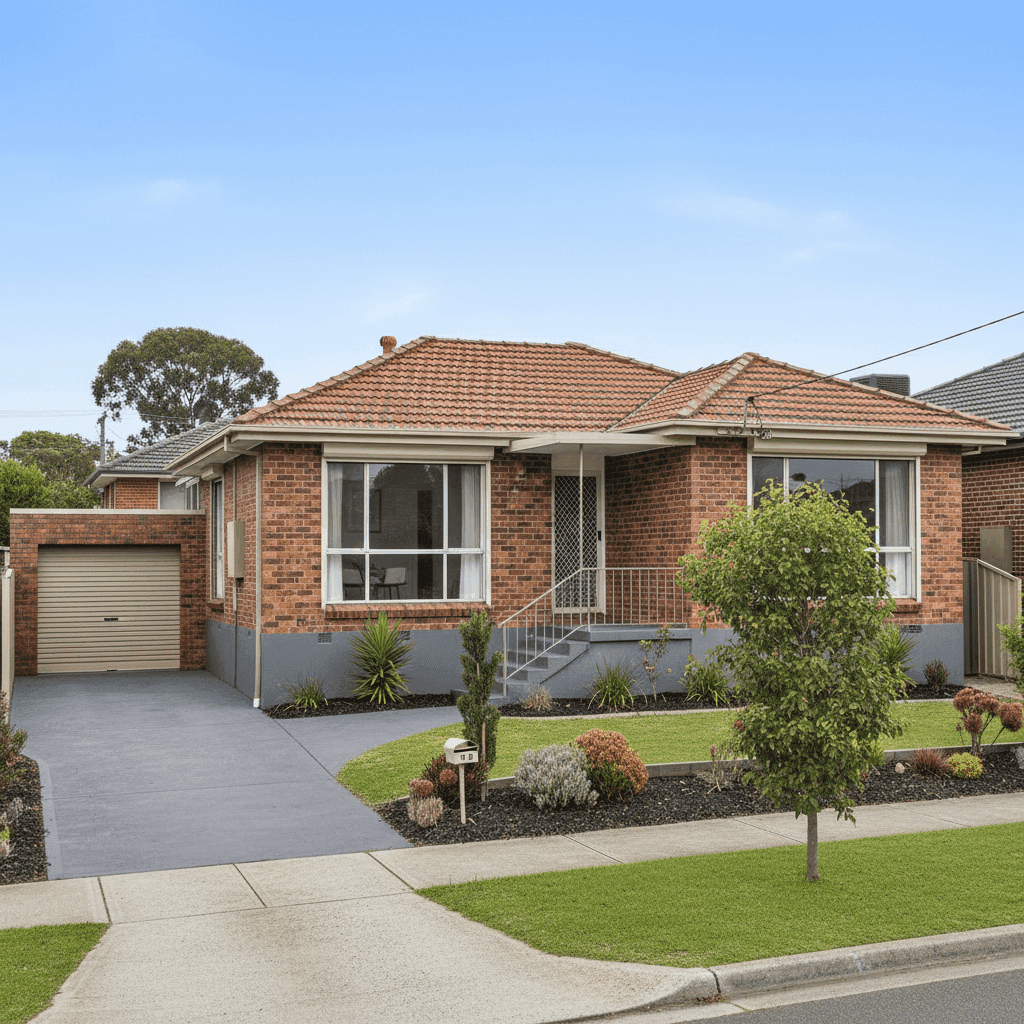
If you own a free standing home in Blue Haven, NSW 2262, you're probably curious about whether you're paying a fair price for your home and contents insurance. Blue Haven is a quiet residential suburb on the NSW Central Coast, popular with families and those seeking a relaxed lifestyle within commuting distance of Sydney. In this article, we break down a real insurance quote for a four-bedroom home in the area, compare it against local, state, and national benchmarks, and share some practical tips to help you get the best value on your cover.
---
Is This Quote Fair?
The quote in question comes in at $3,406 per year (or $326 per month) for combined home and contents cover, with a building sum insured of $734,000 and contents valued at $50,000. Both the building and contents excess are set at $1,000 each.
Our pricing engine rates this quote as CHEAP — below average — which is genuinely good news for the homeowner. To put that in perspective, the median home insurance premium across Blue Haven sits at around $9,224 per year, meaning this quote is roughly 63% below the local median. Even compared to the national median of $2,764 per year, this quote is only modestly higher, which is a strong result for a property of this size and value.
It's worth noting that the suburb average of $98,959 per year is significantly skewed by outliers — with only nine quotes in our local dataset, a single high-risk or high-value property can distort the average considerably. The 25th–75th percentile range of $8,192 to $10,782 gives a much more reliable picture of what most Blue Haven homeowners are actually paying, and against that benchmark, this quote looks exceptionally competitive.
---
How Blue Haven Compares
Understanding how your suburb stacks up against broader benchmarks is key to knowing whether you're being treated fairly by your insurer. Here's a snapshot:
| Benchmark | Premium |
|---|---|
| This quote | $3,406/yr |
| Blue Haven suburb median | $9,224/yr |
| Blue Haven suburb average | $98,959/yr |
| Central Coast LGA average | $8,387/yr |
| NSW state median | $3,770/yr |
| NSW state average | $9,528/yr |
| National median | $2,764/yr |
| National average | $5,347/yr |
This quote sits below the NSW state median of $3,770 and is well beneath both the LGA and suburb medians. Nationally, the median is slightly lower at $2,764, which reflects the fact that many properties across Australia — particularly in lower-risk regional areas — attract more modest premiums. However, for a four-bedroom brick veneer home on the Central Coast with a $734,000 building sum insured, landing below the state median is a strong outcome.
You can explore more detailed pricing data for this postcode at our Blue Haven suburb stats page, or broaden your view with NSW state insurance statistics and national home insurance benchmarks.
---
Property Features That Affect Your Premium
Every property has its own risk profile, and insurers weigh up a range of factors when calculating your premium. Here's how the features of this particular home likely influence its pricing:
Brick Veneer Construction Brick veneer walls are viewed favourably by insurers. They offer solid fire resistance and structural durability compared to timber or lightweight cladding, which can translate to lower premiums. This is one of the most common wall types in Australian suburban homes built from the 1980s onwards.
Tiled Roof A tiled roof is another tick in the right column. Tiles are durable, fire-resistant, and generally less susceptible to storm damage than corrugated iron or older fibrous cement sheeting. Insurers typically price tiled roofs more competitively.
Slab Foundation Concrete slab foundations are the standard for homes built around the year 2000 in NSW. They're considered low-risk from a structural standpoint and are less vulnerable to subsidence or pest damage than older pier-and-beam styles.
Built in 2000 A construction year of 2000 means this home is relatively modern — built to contemporary Australian Standards that include improved cyclone, fire, and structural requirements. Newer builds generally attract lower premiums than older homes that may have ageing wiring, plumbing, or roofing.
Slight Elevation (Less Than 1m) The property is listed as slightly elevated — less than one metre — which can help with surface water drainage during heavy rainfall events. On the Central Coast, where storm and flood events do occur, even modest elevation can reduce risk exposure.
No Pool, Solar Panels, or Ducted Climate Control The absence of a swimming pool removes a common liability risk. No solar panels means one less complex system to insure, and no ducted air conditioning reduces the likelihood of mechanical breakdown claims. Together, these omissions help keep the premium lean.
235 sqm Floor Area with Standard Fittings At 235 square metres with standard-grade fittings, the home is a solid mid-size family property without the premium fixtures (stone benchtops, custom joinery, imported tiles) that can push rebuild costs — and therefore premiums — significantly higher.
---
Tips for Homeowners in Blue Haven
Whether you're reviewing an existing policy or shopping around for the first time, here are some practical steps to make sure you're getting value for money:
1. Review Your Building Sum Insured Annually Construction costs in NSW have risen sharply in recent years due to labour shortages and material price increases. Make sure your $734,000 building sum insured still reflects the true cost of rebuilding your home from scratch — not just its market value. Underinsurance is one of the most common and costly mistakes Australian homeowners make.
2. Consider Raising Your Excess to Reduce Premiums A $1,000 excess is fairly standard, but if you have a healthy emergency fund and are unlikely to make small claims, increasing your excess to $1,500 or $2,000 can noticeably reduce your annual premium. Just make sure the saving justifies the additional out-of-pocket risk.
3. Bundle Building and Contents Cover This quote already combines home and contents insurance, which is a smart move. Most insurers offer discounts for bundling, and managing a single policy is far more convenient than juggling two separate ones.
4. Check for Flood and Storm Cover The Central Coast has experienced significant rainfall and localised flooding in recent years. Review your policy's Product Disclosure Statement carefully to confirm that storm surge, rainwater runoff, and defined flood events are all covered — and understand any specific exclusions that may apply to your area.
---
Compare Your Quote with CoverClub
Whether this quote is already on your radar or you're starting from scratch, it pays to compare. At CoverClub, we make it easy to see how your premium stacks up against real data from your suburb, your state, and across Australia. Get a home insurance quote today and find out if you're paying the right price — or if there's a better deal waiting for you.