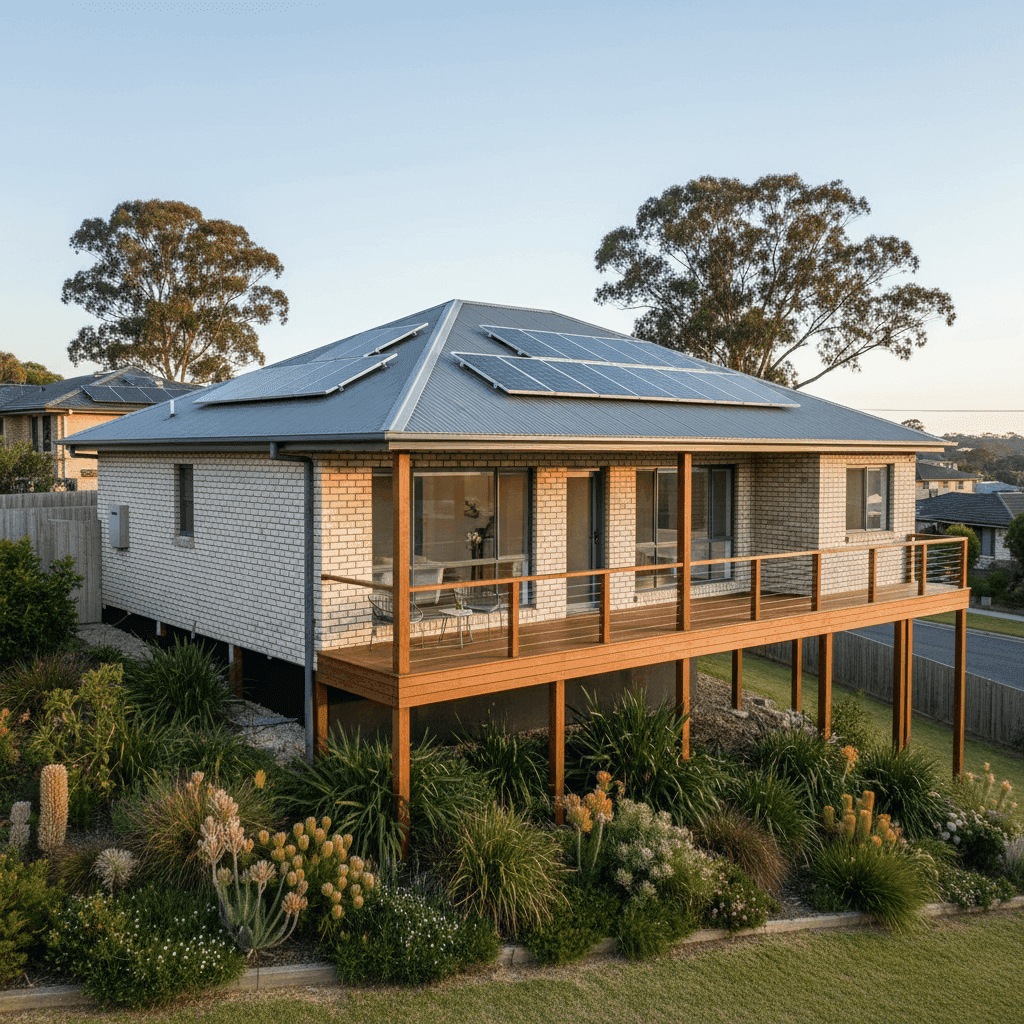
Bonny Hills is a relaxed coastal community tucked between Port Macquarie and Laurieton on the Mid North Coast of New South Wales. It's the kind of place where a four-bedroom free standing home on poles with timber flooring and a Colorbond roof feels perfectly at home — and where getting the right home insurance cover matters just as much as anywhere else in the country. This article breaks down a real home and contents quote for a property in the area, compares it against local, state, and national benchmarks, and offers practical guidance for homeowners looking to make sense of their premiums.
---
Is This Quote Fair?
The annual premium in question comes in at $2,029 per year (or roughly $198 per month), covering both building and contents for a 235 sqm brick veneer home with a building sum insured of $1,200,000 and contents valued at $68,000. CoverClub's price rating system classifies this quote as CHEAP — below average — which is a meaningful result worth unpacking.
To put it plainly: this is a genuinely competitive quote. The building excess sits at $2,000 and the contents excess at $1,000, which are reasonable settings for a property of this size and value. A higher excess generally brings the premium down, so it's worth confirming those figures suit your financial situation before locking anything in.
The "cheap" rating doesn't mean the cover is inferior — it simply means the premium is lower than what most comparable properties in the area are attracting. For homeowners on the Mid North Coast, that's welcome news in a region where insurers can price in a range of coastal and environmental risk factors.
---
How Bonny Hills Compares
Understanding where your quote sits relative to the broader market is one of the most useful things you can do as a homeowner. Here's how this premium stacks up:
| Benchmark | Premium |
|---|---|
| This Quote | $2,029/yr |
| Bonny Hills suburb average | $3,507/yr |
| Bonny Hills suburb median | $3,439/yr |
| Bonny Hills 25th percentile | $2,539/yr |
| Bonny Hills 75th percentile | $4,305/yr |
| NSW state average | $3,801/yr |
| NSW state median | $3,410/yr |
| National average | $2,965/yr |
| National median | $2,716/yr |
| Port Macquarie-Hastings LGA average | $5,055/yr |
The numbers tell a compelling story. At $2,029, this quote sits well below the suburb average of $3,507 — a saving of nearly $1,478 per year compared to what the typical Bonny Hills homeowner is paying. It also undercuts the NSW state average by over $1,700 and comes in beneath the national average of $2,965.
Perhaps most striking is the comparison with the broader Port Macquarie-Hastings LGA average of $5,055 — this quote is less than half that figure. The LGA average can be skewed by higher-risk properties across the region, but it does illustrate just how variable premiums can be even within a relatively small geographic area.
You can explore more local data on the Bonny Hills suburb stats page, compare it with the NSW state overview, or see how it measures up against national home insurance trends.
---
Property Features That Affect Your Premium
Every property is different, and insurers weigh up a range of characteristics when calculating your premium. Here's how the features of this particular home are likely influencing the cost:
Brick Veneer Walls Brick veneer is one of the most common external wall types in Australia and is generally viewed favourably by insurers. It offers solid fire resistance and durability, which can contribute to more competitive premiums compared to full-timber or weatherboard construction.
Steel / Colorbond Roof Colorbond roofing is highly regarded for its longevity, resistance to corrosion, and performance in harsh Australian conditions. Insurers typically view it as a lower-risk roofing material, particularly compared to older tile or fibro roofs that may require more maintenance.
Pole Foundation Homes built on poles — common in coastal and hilly areas of NSW — can be a mixed factor for insurers. On one hand, they allow for good airflow and can reduce flood risk in some settings. On the other, they may attract slightly higher premiums due to the complexity of repairs and the elevated structure. In this case, the premium remains competitive, suggesting other factors are working in the homeowner's favour.
Timber / Laminate Flooring Timber and laminate flooring can be a consideration in contents and building assessments, particularly regarding water damage claims. It's worth ensuring your sum insured accounts for the cost of replacing these materials at current prices.
Solar Panels The presence of solar panels adds value to the property and should be reflected in the building sum insured. Most standard home insurance policies cover solar panels as part of the building, but it's worth confirming this with your insurer — particularly for damage caused by storms or hail.
1985 Construction A home built in 1985 is now over 40 years old. Older properties can attract higher premiums due to ageing infrastructure — wiring, plumbing, and roofing materials may be closer to the end of their serviceable life. That said, a Colorbond roof replacement and brick veneer walls in good condition can offset some of these concerns.
Building Sum Insured: $1,200,000 This is a substantial sum insured for a 235 sqm home, equating to roughly $5,100 per square metre. Rebuild costs on the Mid North Coast have risen significantly in recent years due to construction inflation and trade shortages, so a higher sum insured is a prudent approach — though it's worth reviewing this figure periodically to ensure it remains accurate.
---
Tips for Homeowners in Bonny Hills
1. Review your sum insured annually Construction costs across regional NSW have climbed sharply. What it cost to rebuild your home five years ago may be significantly less than today's rates. Use a building cost calculator or speak with a local builder to sense-check your coverage figure each year.
2. Confirm solar panels are covered If you have solar panels (as this property does), check your policy wording carefully. Some insurers include them automatically under building cover; others may require a specific endorsement. Given the replacement cost of a quality solar system, this is not a detail to overlook.
3. Understand your excess before you claim This policy carries a $2,000 building excess and a $1,000 contents excess. These are on the higher end of the standard range, which helps keep the premium down — but make sure you're comfortable covering that amount out of pocket in the event of a claim. If cash flow is a concern, a lower excess (at a slightly higher premium) might be worth considering.
4. Compare quotes at renewal time Even if you're happy with your current insurer, the home insurance market shifts regularly. New entrants, updated risk models, and changing underwriting appetites mean the best deal today may not be the best deal next year. Running a comparison at renewal takes only a few minutes and could save you hundreds.
---
Ready to Compare?
Whether you're a Bonny Hills local or considering a move to the Mid North Coast, it pays to know what the market looks like before you commit to a policy. CoverClub makes it easy to compare home and contents quotes from a range of Australian insurers in one place. Get a quote today and see how your premium stacks up against the suburb, state, and national averages — no obligation, no hassle.