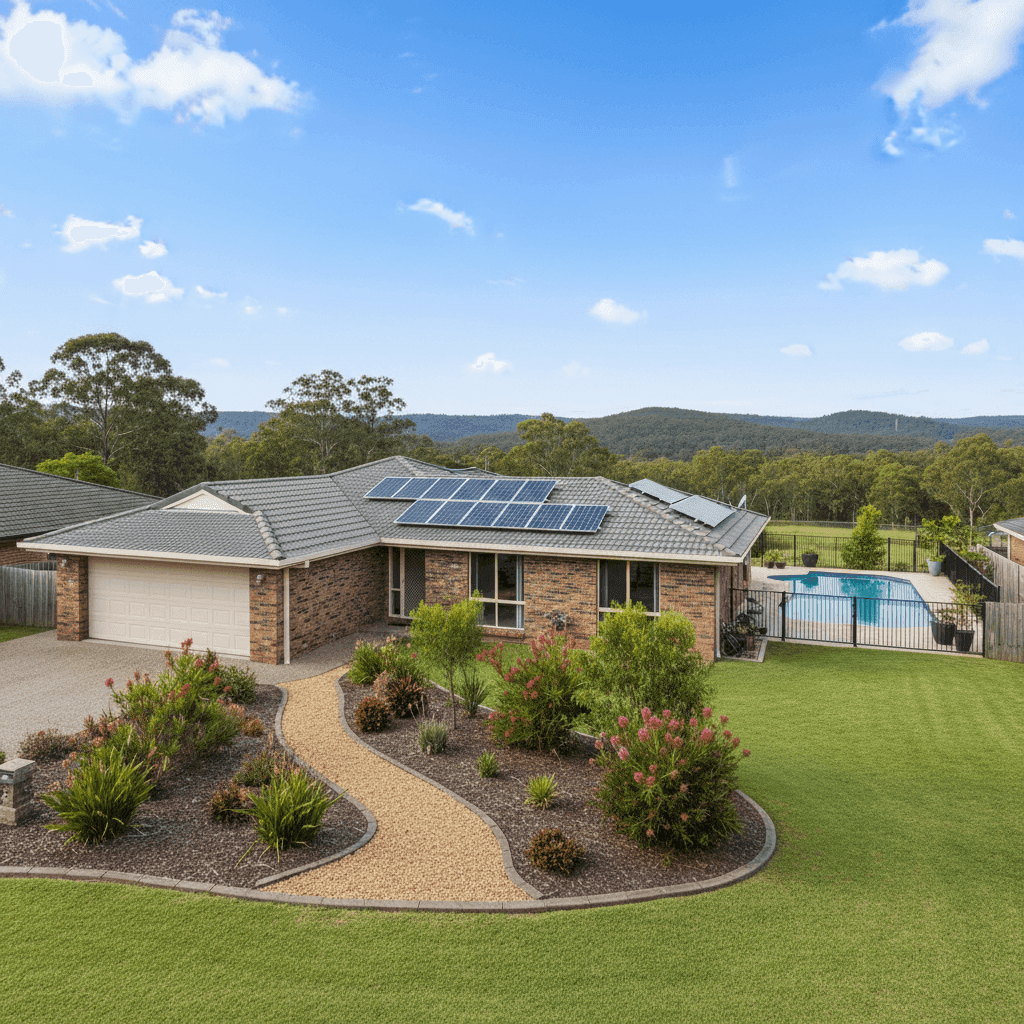
Bonogin is a quiet, semi-rural suburb nestled in the Gold Coast hinterland — known for its acreage properties, leafy surrounds, and relaxed lifestyle. If you own a free standing home here, understanding what you should expect to pay for home and contents insurance is an important part of protecting one of your biggest assets. This article breaks down a real insurance quote for a four-bedroom, two-bathroom brick veneer home in Bonogin (postcode 4213), and puts the numbers in context so you can judge whether your own premium stacks up.
---
Is This Quote Fair?
The quote in question comes in at $2,627 per year (or $257/month) for combined home and contents cover, with a building sum insured of $650,000 and contents valued at $50,000. Both the building and contents excess are set at $1,000.
By CoverClub's pricing methodology, this quote is rated CHEAP — meaning it sits below the suburb average, which is a strong result for the homeowner. To put it plainly: if you received this quote, you'd be paying significantly less than most of your neighbours for a comparable level of cover.
The suburb average premium in Bonogin sits at $5,187 per year, and the median is $4,694. That means this quote is roughly 49% below the suburb average — a substantial saving. Even against the 25th percentile of Bonogin quotes (the cheapest quarter of the market), which sits at $2,854/yr, this premium still comes in under that threshold, placing it firmly among the most competitive prices available in the area.
This kind of result doesn't happen by accident. It typically reflects a combination of favourable property characteristics, a competitive insurer, and — critically — the benefit of comparing multiple quotes rather than simply renewing with the same provider year after year.
---
How Bonogin Compares
To fully appreciate this quote, it helps to zoom out and look at the broader pricing landscape. Here's how Bonogin's insurance premiums compare across different benchmarks (based on 40 quotes collected for the suburb):
| Benchmark | Premium |
|---|---|
| This Quote | $2,627/yr |
| Bonogin 25th Percentile | $2,854/yr |
| Bonogin Median | $4,694/yr |
| Bonogin Average | $5,187/yr |
| Bonogin 75th Percentile | $6,997/yr |
| Gold Coast LGA Average | $5,494/yr |
| QLD State Average | $4,547/yr |
| QLD State Median | $3,931/yr |
| National Average | $2,965/yr |
| National Median | $2,716/yr |
A few things stand out here. First, Bonogin premiums are notably higher than both the Queensland state average and the national average — a reflection of the elevated risk profile that insurers assign to the broader Gold Coast region. The Gold Coast LGA average of $5,494/yr is the highest benchmark in this comparison, underscoring that location plays a significant role in pricing.
Second, this particular quote actually beats the national average, which is a remarkable outcome for a Gold Coast suburb. Queensland homeowners often contend with higher premiums due to severe weather exposure, so landing below the national benchmark is genuinely impressive.
---
Property Features That Affect Your Premium
Every insurer assesses risk differently, but certain property characteristics consistently influence how premiums are calculated. Here's how the features of this Bonogin home come into play:
Brick Veneer Walls & Tiled Roof Brick veneer construction with a tiled roof is generally viewed favourably by insurers. Brick is fire-resistant and durable, while tiles offer solid weather protection. Compared to timber-clad or corrugated iron alternatives, this combination typically attracts more competitive premiums.
Slab Foundation A concrete slab foundation is standard in Queensland and is considered low-risk by most insurers. It eliminates the underfloor moisture and pest-related concerns that can arise with raised timber stumps.
Timber/Laminate Flooring Timber and laminate floors can be more susceptible to water damage than tiles, which may nudge contents and building premiums slightly upward. It's worth ensuring your policy explicitly covers accidental water damage to flooring.
Swimming Pool A pool adds to the rebuild cost of the property and is a factor in calculating the building sum insured. It can also introduce liability considerations — make sure your policy includes legal liability cover, which most comprehensive home insurance policies do.
Solar Panels Solar panels are a fixed part of the building and should be covered under the building sum insured. Confirm with your insurer that panels are explicitly included, as some policies treat them as an optional add-on or exclude storm damage to panels.
Ducted Climate Control Ducted air conditioning systems are a significant fixed asset and form part of the building's insurable value. At $650,000 sum insured, this property's building cover appears appropriately calibrated to account for inclusions like this.
Construction Year: 1989 A home built in 1989 is well-established but not ancient. It predates some modern building codes, which may mean slightly older wiring or plumbing. Insurers may factor this in, though it's rarely a major pricing driver unless there are known structural issues.
No Cyclone Risk Bonogin falls outside designated cyclone risk zones, which is a meaningful premium advantage. Cyclone-rated properties in northern Queensland can attract substantial loadings — the absence of this risk here helps keep costs down.
---
Tips for Homeowners in Bonogin
1. Don't let your policy auto-renew without checking Given that Bonogin's average premium is more than double this quote, it's clear that a wide range of prices exists in the market. Insurers often increase premiums at renewal without a corresponding increase in risk. Set a reminder to compare quotes each year before your renewal date.
2. Review your building sum insured regularly Construction costs have risen significantly across Australia in recent years. A sum insured of $650,000 for a 214 sqm brick veneer home in Queensland is a reasonable starting point, but it's worth using a building cost calculator annually to ensure you're not underinsured — particularly given the pool, solar panels, and ducted air conditioning that add to rebuild costs.
3. Check your pool and solar panel coverage explicitly These are two features that can sometimes fall into grey areas in policy wording. Ask your insurer directly: are solar panels covered for storm and hail damage? Is the pool equipment (pump, filter, heating) included in the building sum insured? Getting clarity now avoids disputes at claim time.
4. Consider your excess strategically Both the building and contents excess on this policy are set at $1,000. A higher excess (say, $2,000) can meaningfully reduce your annual premium — but only makes sense if you have the financial buffer to cover it in a claim scenario. Conversely, if cash flow is a concern, a lower excess with a slightly higher premium may suit you better.
---
Compare Your Home Insurance with CoverClub
Whether you're a Bonogin local or anywhere else in Australia, the best way to know if your premium is fair is to compare. CoverClub makes it easy to see what multiple insurers would charge for your specific property — in seconds, without the paperwork. Get a home insurance quote now and find out if you could be paying less.