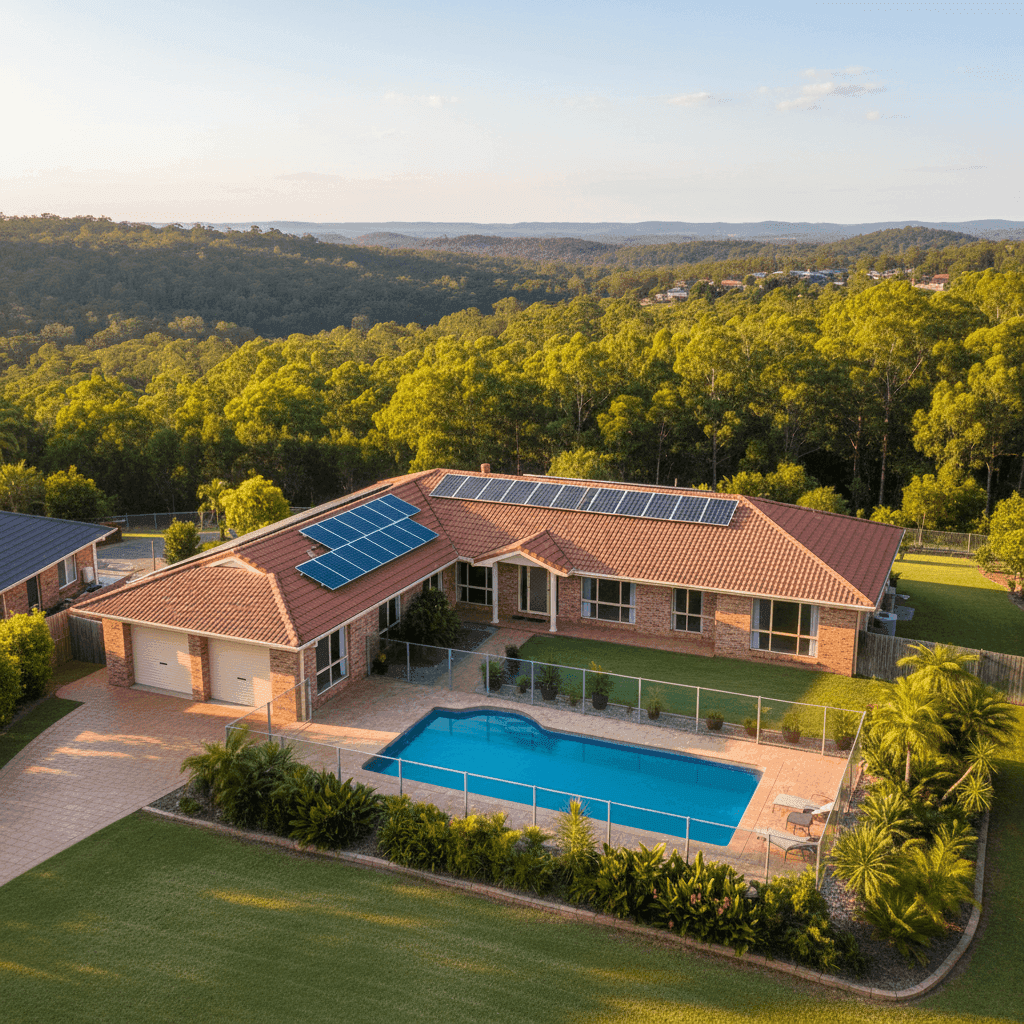
Nestled in the hinterland fringe of the Gold Coast, Bonogin (QLD 4213) is a sought-after pocket of South East Queensland known for its semi-rural lifestyle, leafy streets, and proximity to both the coast and the Hinterland. For owners of a free standing home in this suburb, understanding what you should be paying for home and contents insurance — and whether your current quote is genuinely competitive — can make a real difference to your household budget.
This article breaks down a recent home and contents insurance quote for a 4-bedroom, 2-bathroom free standing home in Bonogin, and benchmarks it against local, state, and national data to help you make a more informed decision.
---
Is This Quote Fair?
The quote in question comes in at $2,627 per year (or roughly $257 per month), covering a building sum insured of $650,000 and $50,000 in contents, each with a $1,000 excess. Based on CoverClub's pricing data, this quote is rated CHEAP — sitting below average for the suburb.
To put that in perspective: the average home and contents premium in Bonogin currently sits at $5,187 per year, and the median is $4,694 per year. That means this quote is less than half the suburb average — a genuinely strong result for the homeowner. Even compared to the suburb's 25th percentile (the cheapest quarter of quotes), which sits at $2,854 per year, this quote still comes in below that mark. In other words, it's among the most competitively priced quotes seen in the area.
This is a meaningful saving. At the suburb average, the same homeowner could be paying over $2,500 more per year for equivalent cover. Over a five-year period, that difference compounds to more than $12,500 — a figure worth paying attention to.
---
How Bonogin Compares
Bonogin is notably more expensive to insure than the state and national norms, which makes this particular quote even more impressive. Here's how the numbers stack up:
| Benchmark | Annual Premium |
|---|---|
| This Quote | $2,627 |
| Bonogin 25th Percentile | $2,854 |
| Bonogin Median | $4,694 |
| Bonogin Average | $5,187 |
| Bonogin 75th Percentile | $6,997 |
| Gold Coast LGA Average | $5,494 |
| QLD State Average | $4,547 |
| QLD State Median | $3,931 |
| National Average | $2,965 |
| National Median | $2,716 |
You can explore the full breakdown of premiums for this suburb at the Bonogin insurance stats page, or compare how Queensland sits relative to other states on the QLD insurance stats page. For a broader picture, the national insurance stats page offers a useful reference point.
What stands out here is that the Gold Coast LGA average of $5,494 is among the higher benchmarks nationally, reflecting the elevated risk profile of the broader region. Even though Bonogin itself is inland and not directly cyclone-rated, insurers tend to price Gold Coast properties at a premium due to the LGA's overall exposure to severe weather events, storm surge risk closer to the coast, and high replacement costs driven by a buoyant construction market.
This quote, at $2,627, sits well below every single one of these benchmarks — including the national average and median.
---
Property Features That Affect Your Premium
Several characteristics of this property are worth examining in the context of insurance pricing.
Brick Veneer Walls & Tiled Roof This is one of the most insurer-friendly combinations in Australia. Brick veneer construction is considered durable and resistant to fire and wind damage, while a tiled roof offers solid protection against weather events. Many insurers apply lower risk ratings to homes with this profile compared to, say, weatherboard or Colorbond construction.
Slab Foundation A concrete slab foundation is generally viewed favourably by insurers. It reduces the risk of subsidence-related claims and eliminates the vulnerabilities associated with raised timber stumps, which can be susceptible to termite damage and moisture.
Timber & Laminate Flooring While attractive and common in Queensland homes, timber and laminate flooring can be more susceptible to water damage than tiles. This is worth keeping in mind when assessing your contents cover and any flood or water ingress exclusions in your policy.
Swimming Pool Pools add both value and liability to a property. Most insurers will factor in the cost of pool fencing, pumps, and filtration equipment within the building sum insured, so it's important to ensure your $650,000 building cover accurately reflects the pool's replacement value.
Solar Panels Solar panels are increasingly common on Queensland homes and are typically included under building cover. However, it's worth confirming with your insurer that the panels — and any associated battery storage systems — are explicitly covered, particularly for storm or hail damage.
Construction Year: 1989 At around 35 years old, this home sits in a bracket where some wear-and-tear considerations may apply. Wiring, plumbing, and roofing components from this era may not meet current standards, which can occasionally affect claim outcomes. A recent building inspection can help identify any issues before they become a problem.
No Cyclone Risk Bonogin falls outside designated cyclone risk zones, which is a meaningful factor in keeping premiums lower than coastal or Far North Queensland properties. This is one reason why the quote may be tracking well below the Gold Coast LGA average.
---
Tips for Homeowners in Bonogin
1. Review your building sum insured regularly Construction costs in South East Queensland have risen sharply over recent years. A $650,000 sum insured may have been accurate when the policy was first written, but it's worth checking against current rebuild estimates — especially given the pool and solar panels. Underinsurance is one of the most common and costly mistakes homeowners make.
2. Check your policy's storm and water damage definitions Queensland is prone to severe thunderstorms and flash flooding, even in hinterland suburbs like Bonogin. Review your policy's fine print around storm damage, water ingress, and flood cover. These are often treated as separate events with different conditions attached.
3. Compare quotes at renewal time Insurance loyalty rarely pays off in Australia. Insurers frequently offer sharper pricing to new customers, meaning your premium can creep up significantly over successive renewals without a corresponding increase in risk. Use a comparison platform like CoverClub to benchmark your renewal quote before accepting it.
4. Consider your excess strategically This policy carries a $1,000 excess on both building and contents. A higher excess typically lowers your annual premium — which can be a smart trade-off if you have a solid emergency fund and are primarily seeking cover for major events rather than minor claims.
---
Ready to Compare Your Own Quote?
Whether you're renewing your current policy or shopping around for the first time, CoverClub makes it easy to see how your premium stacks up against real data from your suburb. Get a home insurance quote today and find out if you're paying a fair price — or leaving money on the table.