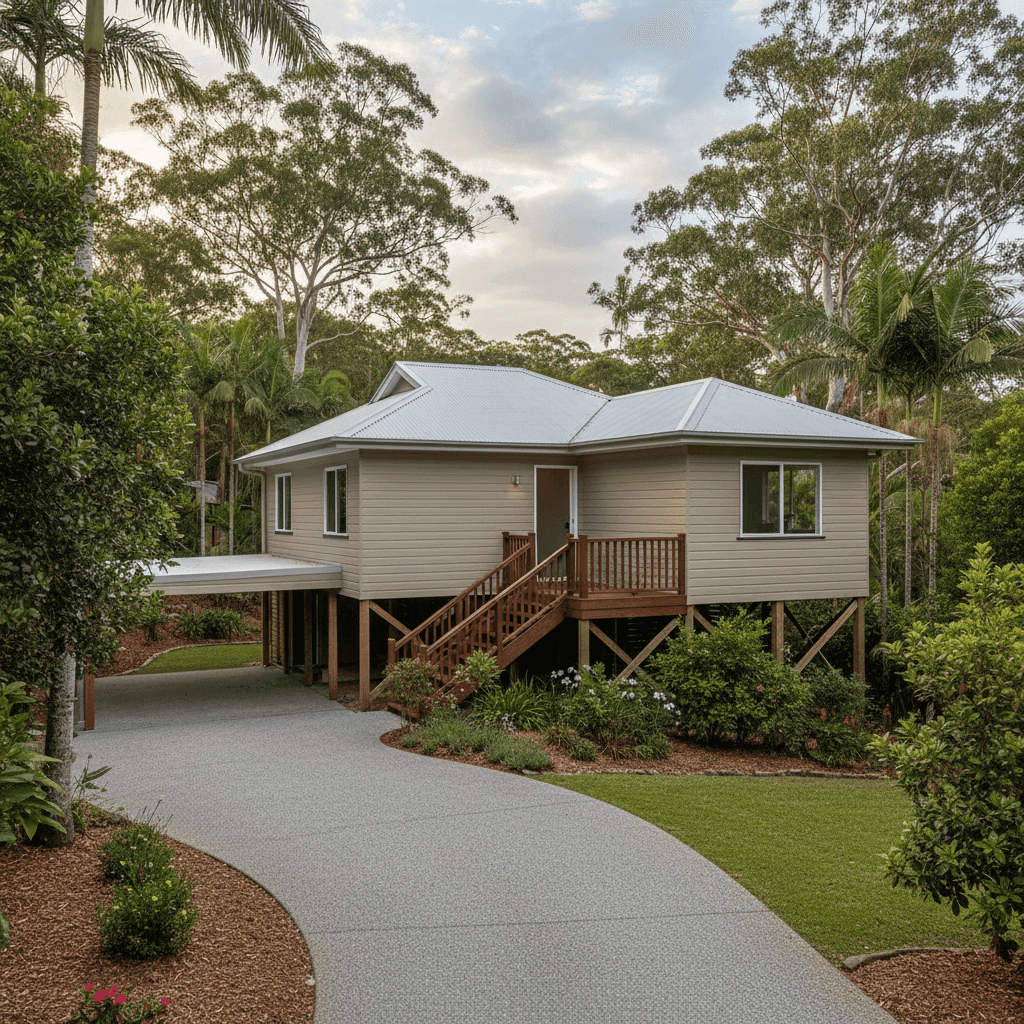
If you own a free standing home in Bonville, NSW 2450, you're probably curious about what a fair home insurance premium looks like — and whether the quote sitting in your inbox is worth accepting. This article breaks down a real home and contents insurance quote for a three-bedroom, two-bathroom property in Bonville, comparing it against local, state, and national benchmarks so you can make a genuinely informed decision.
---
Is This Quote Fair?
The short answer: yes — and then some.
This quote came in at $3,096 per year (or $290 per month) for combined home and contents cover, with a building sum insured of $556,000 and contents valued at $50,000. Our pricing model rates this as CHEAP — meaning it sits below the average for the Bonville area.
To put that in perspective, the suburb average premium for Bonville is $4,470 per year, and the median sits at $3,536. This quote falls comfortably beneath both figures — it even comes in under the 25th percentile of $3,212 when you factor in the level of cover provided. For a relatively new build (constructed in 2021) with a solid sum insured, that represents genuinely good value.
The excess is set at $2,000 for both building and contents, which is on the higher side and contributes to keeping the premium down. That's a trade-off worth understanding: a higher excess reduces your annual cost, but means more out-of-pocket if you ever need to make a claim. For homeowners who are confident in their property's condition and unlikely to make frequent small claims, this structure can work well.
---
How Bonville Compares
Understanding your premium in isolation only tells part of the story. Here's how Bonville sits within the broader insurance landscape:
| Benchmark | Average Premium | Median Premium |
|---|---|---|
| Bonville (NSW 2450) | $4,470/yr | $3,536/yr |
| New South Wales | $9,528/yr | $3,770/yr |
| National | $5,347/yr | $2,764/yr |
A few things stand out here. The NSW average premium of $9,528 is extraordinarily high — this is heavily skewed by coastal and flood-prone areas across the state that attract eye-watering premiums. The NSW median of $3,770 is a far more representative figure for most homeowners, and this quote sits below even that.
The national median of $2,764 is lower than this quote, which makes sense — it reflects the full spread of Australian properties including low-risk inland and metropolitan areas where premiums are more modest. On a national basis, this quote is slightly above the median but well below the national average of $5,347.
Worth noting: the Clarence Valley LGA average of $31,244 per year is an extreme outlier, almost certainly driven by a small number of very high-risk properties (think flood-affected or cyclone-exposed homes) that dramatically skew the local government area figure. Bonville itself, sitting in the 2450 postcode, tells a much more reassuring story — and this quote reflects that.
---
Property Features That Affect Your Premium
Several characteristics of this property work in the homeowner's favour from a risk and pricing perspective.
Hardiplank/Hardiflex cladding is a fibre cement product that performs well in terms of fire resistance and durability. Insurers generally view it more favourably than older weatherboard or asbestos-containing materials, which can drive premiums up significantly.
Colorbond steel roofing is another positive. It's lightweight, resistant to corrosion, and holds up well in storms — a key concern in coastal NSW. Compared to terracotta or concrete tiles, steel roofing tends to attract lower premiums due to reduced risk of storm damage and water ingress.
Construction year of 2021 is a meaningful advantage. Newer homes are built to current Australian Standards, including updated bushfire and wind ratings. This reduces the likelihood of structural issues and makes the property more attractive to insurers.
Stumped foundations (elevated by less than 1 metre) introduce a modest level of complexity. Elevated homes can be more exposed to wind uplift, but at under 1 metre, the risk premium is minimal. The good news is that this style of construction also allows for better airflow and can reduce the risk of moisture-related damage to flooring.
Timber and laminate flooring is worth noting for contents and building claims — these materials can be more susceptible to water damage than tiles. Ensuring your policy covers accidental water damage (not just storm-related) is a smart move.
Ducted climate control adds value to the building sum insured and is correctly factored into the $556,000 building cover. This is a system that's expensive to repair or replace, and it's good to see it captured in the insured amount.
---
Tips for Homeowners in Bonville
1. Review your building sum insured annually. Construction costs in regional NSW have risen sharply in recent years. A sum insured of $556,000 for 139 sqm is reasonable, but it's worth recalculating your replacement cost each year — especially given ongoing labour and materials inflation. Underinsurance is one of the most common and costly mistakes homeowners make.
2. Understand what your excess means in practice. A $2,000 excess on both building and contents is manageable, but make sure you have that amount readily accessible. If a storm damages your roof or flooding affects your flooring, you'll need to cover that portion upfront before your insurer steps in.
3. Don't overlook contents cover. A $50,000 contents value is a starting point, but it's worth doing a proper room-by-room audit. Electronics, whitegoods, furniture, clothing, and tools add up quickly. Many homeowners are surprised to find their actual contents value exceeds their insured amount — leaving them exposed in a total loss scenario.
4. Compare quotes at renewal — every time. Even if your current premium seems reasonable, the insurance market shifts year to year. Loyalty doesn't always pay in this industry. Running a fresh comparison at renewal takes minutes and could save you hundreds of dollars without sacrificing cover quality.
---
Ready to Compare?
Whether you're reviewing an existing policy or shopping for the first time, getting multiple quotes side by side is the smartest move you can make. Compare home insurance quotes for your Bonville property at CoverClub — it's free, fast, and gives you a clear picture of what you should be paying.