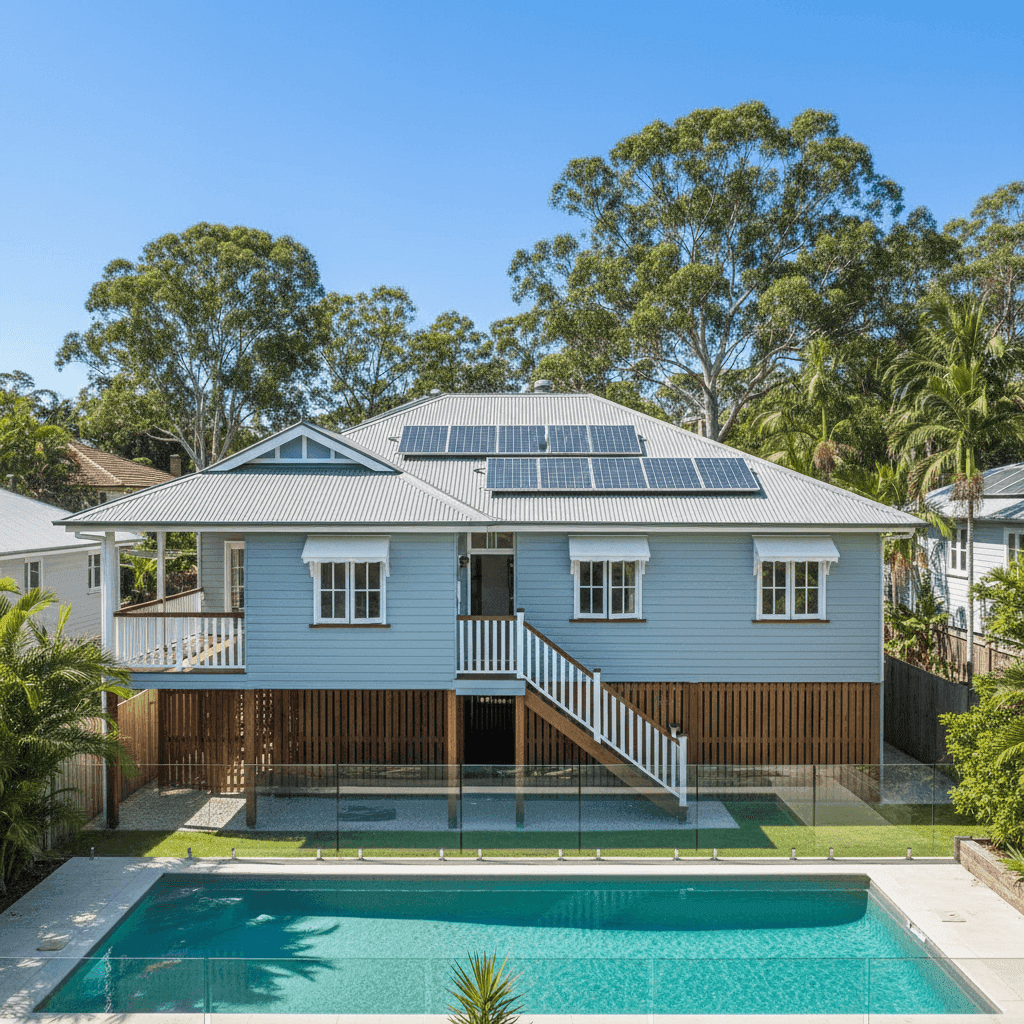
Bonville is a quiet residential locality on the NSW Mid North Coast, sitting just south of Coffs Harbour in the Clarence Valley region. It's a popular area for families and retirees alike, with a relaxed semi-rural character and proximity to the coast. But like many properties in regional NSW, homes here come with a unique set of insurance considerations — and premiums can vary significantly depending on your property's features and the insurer you choose.
This article takes a close look at a recent home and contents insurance quote for a 3-bedroom, 3-bathroom free standing home in Bonville (postcode 2450), and unpacks whether the price stacks up against local, state, and national benchmarks.
---
Is This Quote Fair?
The quote in question comes in at $6,680 per year (or $633/month) for combined home and contents cover, with a building sum insured of $779,000 and contents valued at $203,000. Both the building and contents excess are set at $1,000.
Our price rating for this quote is Expensive (Above Average) — and the data backs that up. At $6,680 per year, this premium sits above the suburb average of $4,470 and well above the suburb median of $3,536. It also clears the 75th percentile threshold of $6,092, meaning it's pricier than at least three-quarters of comparable quotes we've seen in the area.
That said, "expensive" doesn't automatically mean "wrong." A higher sum insured, a larger contents value, and several distinctive property features (more on those below) can all justify a premium that sits above the local average. The key question is whether you're getting the right level of cover — and whether you could get the same protection for less elsewhere.
---
How Bonville Compares
To put this quote in context, here's how Bonville premiums sit relative to broader benchmarks, based on data from CoverClub's Bonville suburb stats:
| Benchmark | Annual Premium |
|---|---|
| This Quote | $6,680 |
| Bonville Suburb Average | $4,470 |
| Bonville Suburb Median | $3,536 |
| Bonville 25th Percentile | $3,212 |
| Bonville 75th Percentile | $6,092 |
| NSW State Average | $9,528 |
| NSW State Median | $3,770 |
| National Average | $5,347 |
| National Median | $2,764 |
| Clarence Valley LGA Average | $31,244 |
A few things stand out here. First, the NSW state average of $9,528 is dramatically higher than both the state median ($3,770) and the Bonville suburb average — a classic sign that extreme outliers (think flood-prone or high-risk properties) are pulling the mean upward. The national average of $5,347 tells a similar story, with the median of $2,764 reflecting a more typical experience for Australian homeowners.
The Clarence Valley LGA average of $31,244 is a striking figure and almost certainly reflects a significant proportion of high-risk properties within the broader local government area — including flood zones and coastal exposures that don't apply to every suburb within the LGA.
For Bonville specifically, this quote is above average but not dramatically out of step with what higher-risk or higher-value properties in the area attract. Based on a sample of 27 quotes, the local spread is reasonably wide, suggesting that individual property characteristics matter a great deal here.
---
Property Features That Affect Your Premium
Several features of this particular property are worth discussing, as they each play a role in how insurers price the risk.
Weatherboard timber construction is one of the most significant factors. Timber-framed homes with weatherboard cladding are generally considered higher risk than brick veneer or double brick, primarily due to fire susceptibility. Insurers typically apply a loading to timber-clad properties, which can push premiums noticeably higher.
Elevated on stumps adds another dimension. While being raised by at least one metre can be a genuine flood mitigation advantage in some contexts, stump foundations can also attract scrutiny from insurers — particularly for older homes where the stumps may be original or partially replaced. The 1982 construction year means this home is over 40 years old, and age-related wear and the cost of materials and labour to replace an older home are both factored into the building sum insured and, by extension, the premium.
A steel/Colorbond roof is generally viewed favourably by insurers compared to older tile or fibrous cement alternatives. Colorbond is durable, cyclone-resistant (though this property is not in a designated cyclone risk area), and less prone to moss or deterioration over time.
Timber and laminate flooring can increase the cost of a claim if water damage occurs, as these materials are more expensive to replace than concrete or vinyl alternatives. This is worth keeping in mind when reviewing your contents and building cover limits.
The swimming pool, solar panels, and ducted climate control system all add to the replacement cost of the property and are reflected in the $779,000 building sum insured. Solar panel systems in particular can be costly to replace after storm or hail damage, and insurers are increasingly factoring these into their risk assessments.
---
Tips for Homeowners in Bonville
If you're looking to make sure you're getting the best value on your home and contents insurance, here are a few practical steps worth considering:
- Compare multiple quotes before renewing. The spread of premiums in Bonville is wide — from around $3,200 at the 25th percentile to over $6,000 at the 75th. That's a meaningful difference, and shopping around via a comparison tool like CoverClub can surface options you might not find by going direct to a single insurer.
- Review your building sum insured carefully. At $779,000, this is a substantial sum insured — appropriate for a home with a pool, solar, ducted air conditioning, and elevated construction. But it's worth getting a professional building replacement cost estimate periodically, especially as construction costs have risen sharply in recent years. Being over-insured costs you in premiums; being under-insured can be catastrophic at claim time.
- Ask about discounts for security and safety features. Some insurers offer reductions for homes with monitored alarms, deadbolts, or smoke detectors. It's always worth asking — these small adjustments can add up.
- Consider your excess level. Both the building and contents excess on this quote are set at $1,000. Opting for a higher excess (say, $2,000 or $2,500) can reduce your annual premium meaningfully, provided you're comfortable covering that amount out of pocket in the event of a claim.
---
Find a Better Deal on Home Insurance
Whether you're reviewing an existing policy or shopping for the first time, CoverClub makes it easy to compare home and contents insurance quotes from multiple providers — all in one place. See how your premium stacks up against others in your suburb and make sure you're not paying more than you need to.