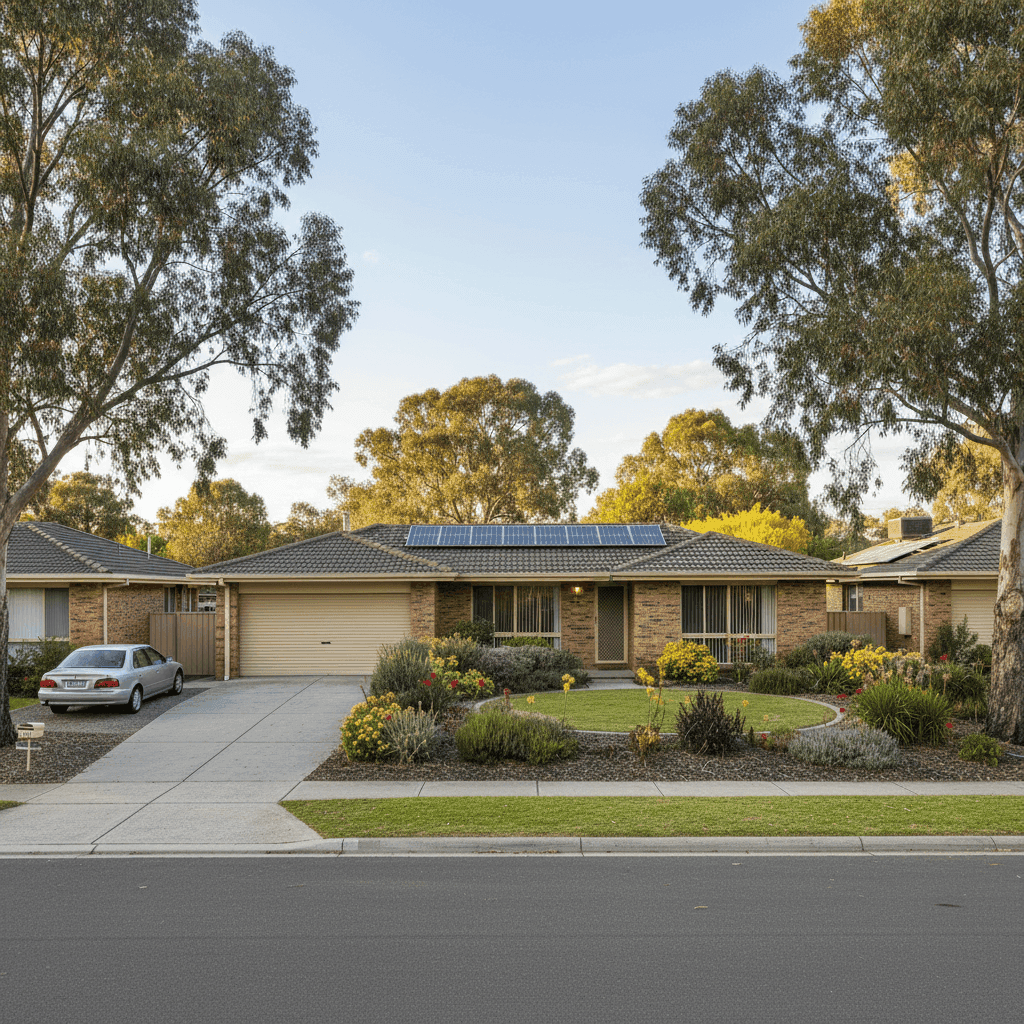
Bonython is a quiet, well-established suburb in the southern reaches of Canberra's Tuggeranong district, known for its leafy streets and predominantly brick homes built during the late 1980s and 1990s. If you own a free standing home in the area, understanding what you should be paying for home and contents insurance — and why — can save you hundreds of dollars a year. This article breaks down a real insurance quote for a 3-bedroom, 1-bathroom brick veneer home in Bonython (ACT 2905) and puts it in context against local, state, and national benchmarks.
---
Is This Quote Fair?
The quote in question comes in at $1,820 per year (or $174/month) for combined home and contents cover, with a building sum insured of $450,000 and contents cover of $100,000. Both the building and contents excess are set at $1,000.
Our pricing analysis rates this quote as CHEAP — below average for the area. That's genuinely good news for the homeowner. In a market where insurance premiums have been climbing steadily across Australia, landing a quote below the regional average is worth paying attention to.
To put it plainly: this is a competitive result. The $1,000 excess on both building and contents is a standard choice that helps keep the premium down without exposing the policyholder to excessive out-of-pocket costs in the event of a claim. For many households, this balance makes good financial sense.
---
How Bonython Compares
Understanding where your premium sits relative to others is one of the most useful tools a homeowner has. Here's how this quote stacks up:
| Benchmark | Annual Premium |
|---|---|
| This Quote | $1,820 |
| LGA (Unincorporated ACT) Average | $2,172 |
| ACT State Average | $2,288 |
| ACT State Median | $2,186 |
| National Average | $5,347 |
| National Median | $2,764 |
At $1,820, this quote sits:
- $352 below the LGA average
- $468 below the ACT state average
- $944 below the national median
- A remarkable $3,527 below the national average (which is heavily skewed by high-risk areas in Queensland and Northern Australia)
You can explore how Bonython and the broader ACT compare in more detail on the Bonython suburb stats page and the ACT state insurance stats page. For a broader picture, the national home insurance stats page shows just how wide the variation is across Australia.
It's worth noting that the national average is significantly inflated by cyclone-prone regions in Queensland, WA, and the NT, where premiums can easily exceed $5,000–$10,000 per year. The ACT, by contrast, benefits from relatively low natural disaster risk, which keeps premiums more manageable across the board.
---
Property Features That Affect Your Premium
Every home is different, and insurers price risk based on a range of property characteristics. Here's how the features of this particular home influence its premium:
Brick Veneer Construction Brick veneer is one of the most common and well-regarded wall materials in the ACT. It offers solid fire resistance and durability, which insurers view favourably. Compared to timber-framed or clad homes, brick veneer properties typically attract lower premiums.
Tiled Roof Terracotta or concrete tiles are a staple of Canberra's suburban landscape. They're durable, fire-resistant, and perform well in the region's cold winters and hot summers. A tiled roof is generally seen as lower risk than corrugated iron or older materials, contributing to a more competitive premium.
Slab Foundation A concrete slab foundation is structurally sound and reduces the risk of subsidence or underfloor moisture issues. This is a positive risk factor in the eyes of most insurers.
1995 Construction At around 30 years old, this home is neither brand new nor ageing to the point of concern. Homes of this era were typically built to solid standards and don't carry the elevated risk profile of very old properties with outdated wiring or plumbing.
Solar Panels The presence of rooftop solar panels is worth noting. While they add value to the property, they also add a degree of complexity to building cover — particularly around storm damage or hail events. It's important to confirm with your insurer that solar panels are explicitly included in your building sum insured.
Ducted Climate Control Ducted heating and cooling systems are a significant fixed asset. Their replacement cost should be factored into the building sum insured, and it's worth checking whether your policy covers mechanical breakdown or only accidental damage.
Timber/Laminate Flooring Timber and laminate floors can be costly to replace after a water damage event. Ensuring your contents or building policy adequately covers flooring is an important detail that's easy to overlook.
No Pool, No Cyclone Risk The absence of a pool removes a common source of liability claims, and Bonython's location well outside any cyclone risk zone means the property avoids the premium loading that affects homes in northern Australia.
---
Tips for Homeowners in Bonython
1. Review Your Building Sum Insured Regularly Construction costs in Canberra have risen sharply in recent years. A sum insured of $450,000 for a 130 sqm brick home may be appropriate today, but it's worth recalculating every year or two using a building cost estimator. Being underinsured at claim time can be a costly mistake.
2. Confirm Solar Panel Coverage If your policy doesn't explicitly list solar panels as a covered item, you may find yourself out of pocket after a hail storm or fire event. Ask your insurer directly, and consider whether your current sum insured accounts for the replacement cost of the panels.
3. Don't Set and Forget Your Policy Even a "cheap" quote can become poor value if your circumstances change — renovations, new valuables, or changes to the property's use can all affect your coverage needs. Review your policy annually before renewal.
4. Consider the Value of a Higher Excess If you're comfortable absorbing a slightly higher out-of-pocket cost in the event of a minor claim, increasing your excess (say, from $1,000 to $1,500 or $2,000) can meaningfully reduce your annual premium. Just make sure the saving justifies the additional risk.
---
Compare Your Options at CoverClub
Whether you're renewing your current policy or shopping around for the first time, it pays to compare. CoverClub makes it easy to see how your premium stacks up against real data from homeowners across Bonython, the ACT, and the rest of Australia. Get a home insurance quote today and find out if you're paying a fair price — or leaving money on the table.