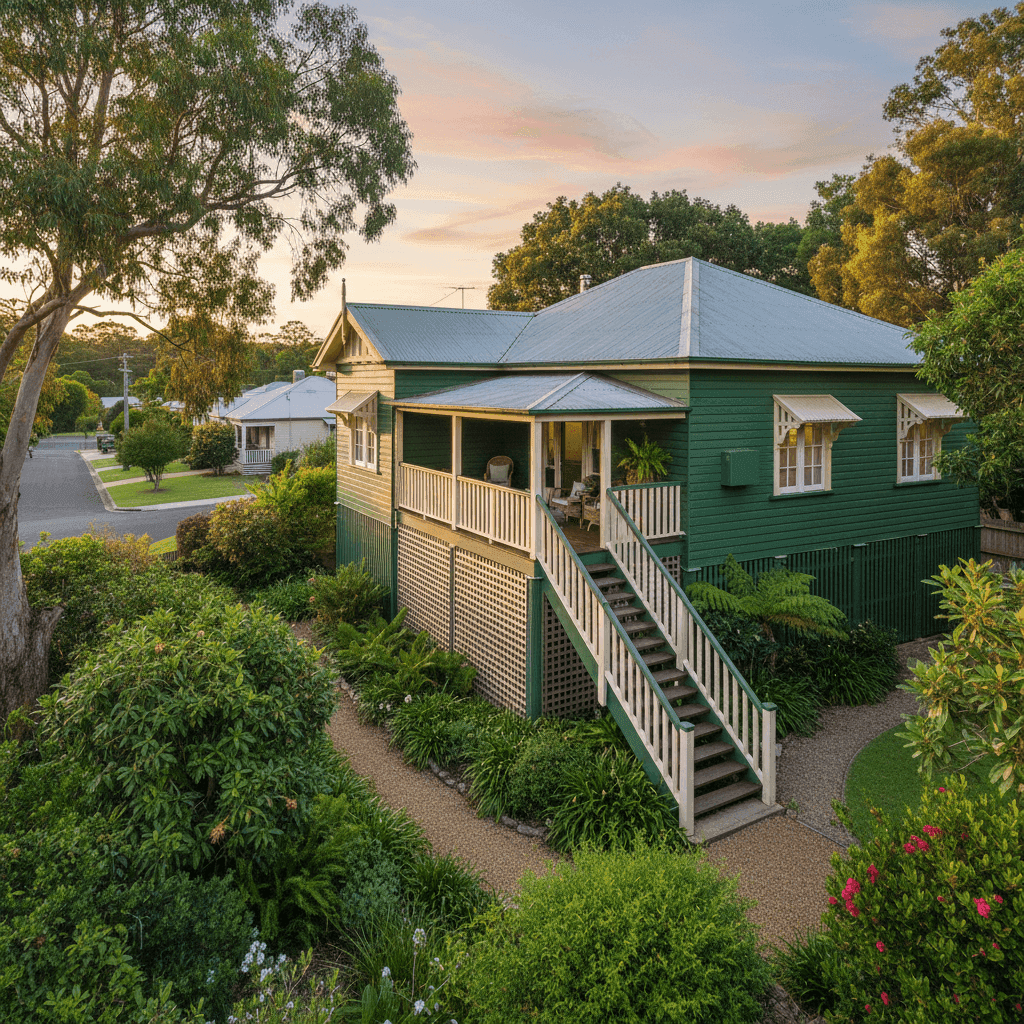
If you own a free standing home in Bowraville, NSW 2449, you're likely wondering whether you're paying a fair price for your home insurance — or leaving money on the table. Bowraville is a quiet township in the Bellingen Local Government Area on the Mid North Coast of New South Wales, and like many regional NSW properties, homes here carry a distinct mix of risk factors and building characteristics that directly influence what insurers charge. This article breaks down a real home and contents insurance quote for a 3-bedroom, 1-bathroom weatherboard home in the area, and puts the numbers into context so you can make a more informed decision.
---
Is This Quote Fair?
The quote in question comes in at $4,418 per year (or $423/month) for a combined home and contents policy, covering a building sum insured of $500,000 and contents valued at $100,000, with a $1,000 excess on both building and contents.
Our price rating for this quote is FAIR — Around Average. That means the premium sits comfortably within the typical range for this suburb, neither a standout bargain nor an overpriced outlier. For homeowners, "fair" is a reasonable starting point, but it's worth understanding what's driving the cost and whether there's room to do better.
With a suburb average of $4,532/year and a median of $4,569/year, this quote is actually sitting below both benchmarks — a modest but meaningful saving. It also falls between the 25th percentile ($4,122/yr) and the 75th percentile ($4,869/yr), which confirms it's well within the normal spread of quotes for the area. In other words, you're not being overcharged, but there are cheaper options out there for comparable cover. You can explore more local data on the Bowraville suburb stats page.
---
How Bowraville Compares
One of the most useful ways to assess any insurance quote is to zoom out and compare it against broader benchmarks. Here's how Bowraville stacks up:
| Benchmark | Average Premium | Median Premium |
|---|---|---|
| Bowraville (suburb) | $4,532/yr | $4,569/yr |
| Bellingen LGA | $4,175/yr | — |
| NSW (state) | $9,528/yr | $3,770/yr |
| National | $5,347/yr | $2,764/yr |
A few things stand out here. The NSW state average of $9,528/year is dramatically higher than the Bowraville suburb average — but this is largely driven by high-value properties and elevated-risk areas (such as flood-prone or bushfire-prone zones) across the state, which pull the average up considerably. The state median of $3,770/year is a more representative figure for typical NSW homeowners, and it actually sits below the Bowraville suburb average, suggesting local risk factors do push premiums slightly higher than the NSW midpoint.
Compared to the national average of $5,347/year, the Bowraville quote of $4,418/year looks reasonably competitive. The national median of $2,764/year is notably lower, but this reflects the wide diversity of properties across Australia — from low-risk urban apartments to high-risk coastal and regional homes. Bowraville, with its older housing stock and regional characteristics, naturally attracts higher premiums than a modern metropolitan unit.
For a broader view of how NSW premiums compare across the country, visit the NSW insurance stats page or the national home insurance stats page.
---
Property Features That Affect Your Premium
This particular property has several characteristics that insurers pay close attention to when calculating risk. Understanding these can help you anticipate why your premium lands where it does.
Construction year (1930): At nearly 100 years old, this home is well into heritage territory. Older homes are more expensive to repair or rebuild to modern standards, and sourcing period-appropriate materials can significantly increase claims costs. This is one of the most influential factors in the premium calculation.
Weatherboard timber walls: Timber weatherboard is a classic Australian building material, but it carries a higher fire risk compared to brick or rendered masonry. Insurers price this in, particularly in areas where bushfire or ember attack is a consideration.
Steel/Colorbond roof: On the positive side, a Colorbond roof is a relatively modern and durable roofing material. It performs well in high winds and is resistant to corrosion, which can work in your favour compared to older tile or fibro roofing materials.
Stumped foundation: Homes built on stumps (also known as pier foundations) are common in older Queensland and NSW coastal/hinterland properties. While they allow for ventilation and can reduce some flood risk, they can also be more vulnerable to structural movement and require specialist repair work if stumps deteriorate.
Timber/laminate flooring: Flooring type affects both contents and building claims. Timber floors can be costly to replace or match, particularly in older homes where original boards may no longer be commercially available.
Elevated less than 1 metre: The slight elevation of this property provides some buffer against surface water ingress, though it's not significant enough to dramatically reduce flood-related risk assessments.
Ducted climate control: The presence of ducted climate control adds to the replacement value of the building and is a positive indicator of a well-maintained, comfortable home — though it does add to the overall sum insured calculation.
Taken together, these features paint a picture of a characterful older home with some elevated risk factors (age, timber construction) offset by more modern elements (Colorbond roof, ducted climate control).
---
Tips for Homeowners in Bowraville
Whether you're reviewing an existing policy or shopping for a new one, here are some practical steps you can take to ensure you're getting the best value on your home insurance.
1. Review your sum insured regularly. Building costs have risen sharply in recent years. Make sure your $500,000 building sum insured reflects current rebuild costs — not the original purchase price or an outdated estimate. Underinsurance is one of the most common and costly mistakes homeowners make.
2. Consider a higher excess to reduce your premium. If you have a financial buffer and are unlikely to make small claims, increasing your excess from $1,000 to $2,000 or more can meaningfully reduce your annual premium. Just make sure you can comfortably cover the excess if you do need to claim.
3. Ask about discounts for security and safety features. Some insurers offer discounts for homes with monitored alarm systems, deadbolts, and smoke detectors. If your home has these features, make sure they're noted on your policy — and if it doesn't, it may be worth the investment.
4. Compare quotes before renewal. Loyalty doesn't always pay in insurance. With a suburb sample showing quotes ranging from $4,122/year at the 25th percentile to $4,869/year at the 75th percentile, there's a meaningful spread of pricing in Bowraville. Shopping around at renewal time could save you hundreds of dollars for equivalent cover.
---
Compare Your Home Insurance Options
Whether your current premium feels about right or you suspect you could be paying less, the smartest move is to compare. CoverClub makes it easy to see quotes from multiple insurers side by side, tailored to your specific property and cover needs. Get a home insurance quote today and find out if you could be saving on your Bowraville home.