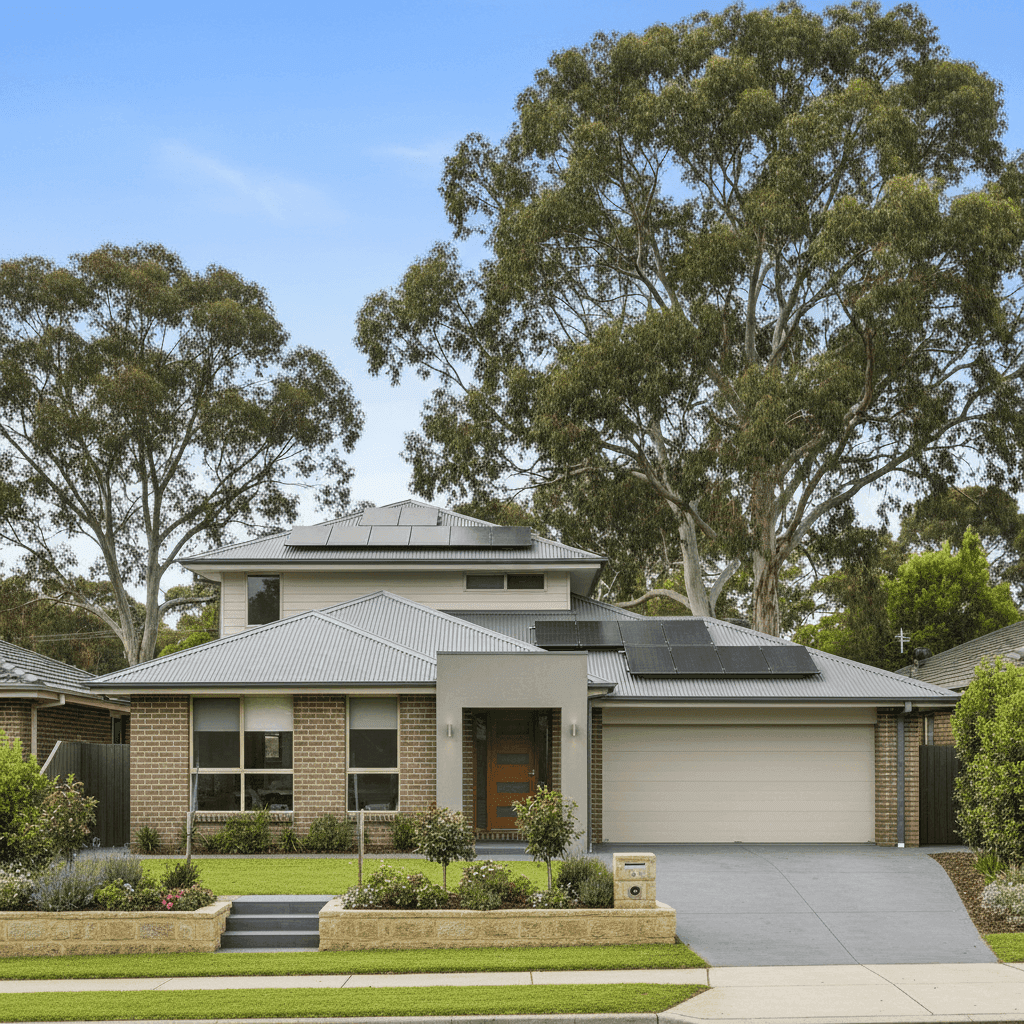
Box Hill North is a well-established inner-eastern Melbourne suburb known for its leafy streets, solid post-war housing stock, and strong community character. If you own a free standing home in the area, understanding what you should be paying for home and contents insurance — and whether your current quote stacks up — can save you hundreds of dollars a year. This article breaks down a recent insurance quote for a 4-bedroom, 2-bathroom brick veneer home in Box Hill North (VIC 3129), and puts it in context against suburb, state, and national benchmarks.
---
Is This Quote Fair?
The quote in question comes in at $1,328 per year (or $129/month) for combined home and contents cover, with a building sum insured of $601,000 and contents valued at $218,000. Our price rating for this quote is CHEAP — below average for the area.
To put that in perspective: the suburb average for Box Hill North sits at $1,743/year, and the median is $1,653/year. This quote lands well below both figures, and even sits beneath the suburb's 25th percentile of $1,408/year — meaning it's cheaper than at least 75% of quotes we've seen in this postcode.
It's worth noting that the building excess on this policy is set at $4,000, which is quite high. A higher excess is one of the most common ways to bring a premium down, so that trade-off is worth keeping in mind. The contents excess, at $500, is more typical. If you needed to make a claim on the building, you'd be covering the first $4,000 out of pocket — so it's important to have that buffer available.
That said, for a property of this size and age in a metropolitan Melbourne suburb, securing cover under $1,400/year is a genuinely competitive outcome.
---
How Box Hill North Compares
Zooming out to a broader view, the pricing picture becomes even more striking. Check out the Box Hill North insurance stats for the full local picture.
| Benchmark | Annual Premium |
|---|---|
| This Quote | $1,328 |
| Suburb Average (Box Hill North) | $1,743 |
| Suburb Median | $1,653 |
| LGA Average (Whitehorse) | $2,083 |
| VIC State Average | $2,921 |
| National Average | $2,965 |
The gap between this quote and the Victorian state average is substantial — a difference of nearly $1,600 per year. Compared to the national average of $2,965, the saving is even more pronounced. Across Victoria as a whole, premiums have been climbing steadily in recent years, driven by increased weather events, rising rebuild costs, and reinsurance pressures — making a result like this all the more noteworthy.
It's also worth noting that Box Hill North itself sits comfortably below the broader Whitehorse LGA average of $2,083/year, which suggests the suburb benefits from relatively lower risk factors compared to some neighbouring areas.
---
Property Features That Affect Your Premium
Several characteristics of this particular property influence how insurers assess and price the risk.
Brick Veneer Construction Brick veneer is one of the more common wall types in Melbourne's post-war suburbs, and insurers generally view it favourably. It offers reasonable fire resistance and structural durability, which can help keep premiums in check compared to full timber weatherboard homes.
Steel/Colorbond Roof A Colorbond roof is considered low-maintenance and highly durable. It performs well in high-wind conditions and is resistant to ember attack — a meaningful consideration even in suburban Melbourne during bushfire season. Insurers tend to rate metal roofing positively.
Stump Foundation The home sits on stumps, which is typical for properties of this era across inner Melbourne. While stumps can introduce some risk around subsidence or movement over time, they're well understood by insurers operating in this market. Homeowners should be aware that foundation-related damage can sometimes fall into grey areas with policy wording, so it's worth reviewing your Product Disclosure Statement (PDS) carefully.
Timber/Laminate Flooring Timber floors are a valued feature but can be more expensive to repair or replace following water damage or fire. This may nudge the contents and building replacement cost estimates upward, which is reflected in the $601,000 building sum insured.
Solar Panels This property has solar panels installed. Most standard home insurance policies cover solar panels as a fixed fixture of the building, but it's always worth confirming this with your insurer — particularly whether accidental damage and inverter failure are included.
Ducted Climate Control Ducted heating and cooling systems are a significant fixed asset. At replacement cost, these systems can run into the tens of thousands of dollars, and they should be factored into your building sum insured. In this case, the $601,000 figure appears to account for the full scope of the home's features.
Construction Year: 1953 Older homes can attract higher premiums due to ageing wiring, plumbing, and structural elements. A 1953 build in Box Hill North is not unusual, but it does mean insurers may apply a modest loading. Keeping up with maintenance and having documentation of any upgrades (rewiring, re-plumbing, restumping) can support a more favourable assessment.
---
Tips for Homeowners in Box Hill North
1. Review your building sum insured regularly Construction costs in Melbourne have risen sharply in recent years. A sum insured that was adequate three years ago may no longer reflect the true cost to rebuild your home. Use a building cost calculator or speak to a quantity surveyor to ensure you're not underinsured — especially with a 214 sqm home featuring quality fittings.
2. Understand your excess before you commit The $4,000 building excess on this policy is on the higher end. While it contributes to the lower premium, make sure you're comfortable holding that amount in reserve. If cash flow is a concern, consider whether a lower excess (at a higher premium) might suit your situation better.
3. Confirm solar panel and ducted system coverage Ask your insurer explicitly whether your solar panels and ducted climate control are covered under the building policy, and under what circumstances. Some policies exclude mechanical breakdown or storm damage to panels — details that matter when you're relying on these systems.
4. Compare quotes at renewal time The insurance market in Victoria is competitive, and premiums can vary significantly between providers for the same property. Don't auto-renew without checking the market. Even a 10–15% saving on a policy in this price range puts real money back in your pocket each year.
---
Ready to Compare Home Insurance in Box Hill North?
Whether you're reviewing your current policy or shopping for cover on a new property, CoverClub makes it easy to see how your quote compares. Get a home insurance quote today and find out if you're paying a fair price — or if there's a better deal waiting for you.