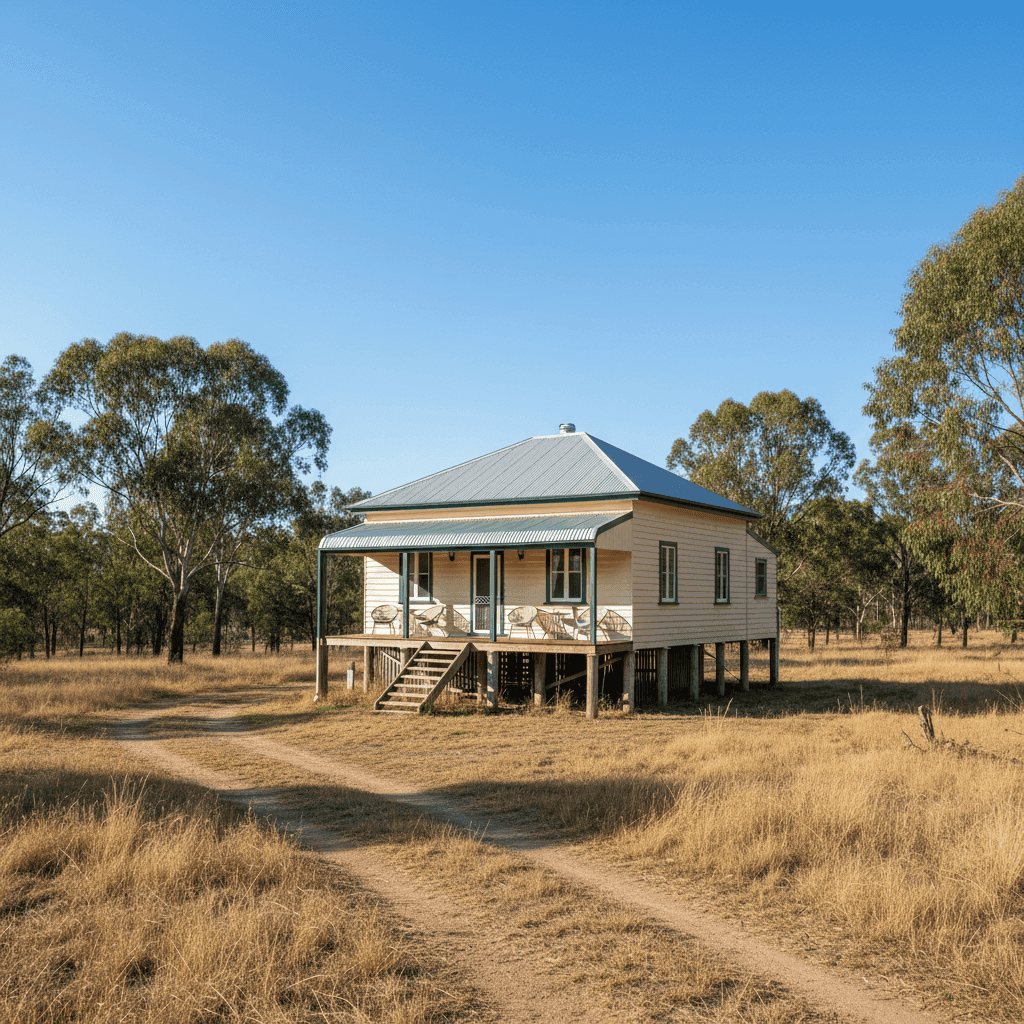
Home insurance costs across Queensland can vary enormously depending on where you live, what your home is made of, and how much cover you need. This article takes a close look at a real home and contents insurance quote for a 3-bedroom, 2-bathroom free-standing home in Boynewood, QLD 4626 — a small rural locality in the North Burnett region — and breaks down what's driving the price, how it stacks up against local and national benchmarks, and what homeowners in the area can do to make sure they're getting the best deal.
---
Is This Quote Fair?
The short answer: yes, and then some. This property received an annual premium of $2,214 per year (or roughly $217 per month) for combined home and contents cover, with a building sum insured of $741,000 and contents valued at $50,000. Our pricing analysis rates this quote as CHEAP — below average across comparable properties.
To put that in perspective, the Queensland state average premium sits at a hefty $9,129 per year, with a median of $3,903. At the national level, the average Australian home insurance premium is $5,347 annually, with a national median of $2,764. This quote comes in well below every one of those benchmarks — including the national median — which is a genuinely strong result.
For the North Burnett LGA specifically, the average premium is $3,499 per year, meaning this quote is approximately 37% cheaper than what most local homeowners are paying. That's a meaningful saving, particularly for a property with a relatively high building sum insured of $741,000.
---
How Boynewood Compares
Without suburb-level data available for Boynewood specifically, we can lean on the broader regional and state picture to contextualise this result. You can explore the latest figures for the postcode on the Boynewood insurance stats page.
| Benchmark | Annual Premium |
|---|---|
| This Quote | $2,214 |
| North Burnett LGA Average | $3,499 |
| QLD State Median | $3,903 |
| National Median | $2,764 |
| QLD State Average | $9,129 |
| National Average | $5,347 |
The gap between Queensland's average and median premiums is striking — it signals that a relatively small number of very high-risk properties (think flood-prone or cyclone-exposed areas in Far North Queensland) are dragging the state average upward significantly. Boynewood, sitting in the South Burnett hinterland, doesn't carry that same level of extreme weather exposure, which likely contributes to this more competitive pricing outcome.
---
Property Features That Affect Your Premium
Several characteristics of this particular home play a meaningful role in determining its insurance cost — both positively and negatively.
Weatherboard Timber Walls
Weatherboard wood construction is one of the most common wall types found in older Queensland homes, and it does carry a higher fire risk compared to brick or rendered masonry. Insurers typically price timber-framed and clad homes at a slight premium for this reason. That said, weatherboard homes are also generally well understood by underwriters, so pricing tends to be consistent.
Steel / Colorbond Roof
A Colorbond steel roof is actually a positive from an insurance perspective. It's highly durable, resistant to ember attack during bushfires, and performs well in high-wind events. Compared to terracotta tiles or older corrugated iron, Colorbond is considered a lower-risk roofing material by most insurers.
Stump Foundation (Elevated)
This home sits on stumps and is elevated by less than one metre — a classic Queenslander-style construction. While elevated homes can have some advantages in terms of flood resilience (depending on the specific flood risk of the land), stump foundations do require periodic inspection and maintenance. Insurers may factor in the age and condition of stumps when assessing risk.
Age of Construction: 1950
At over 70 years old, this home falls into a category that insurers treat with some caution. Older homes can have ageing electrical wiring, plumbing, and structural elements that increase the likelihood of a claim. The 1950 construction year is worth keeping in mind when reviewing your sum insured — make sure it reflects the true cost of rebuilding to modern standards, not just the market value of the property.
No Pool, Solar, or Cyclone Risk
The absence of a swimming pool, solar panels, and cyclone risk classification all work in this property's favour. Each of these factors can add complexity (and cost) to a home insurance policy, so their absence simplifies the risk profile considerably.
130 sqm Building Footprint
At 130 square metres, this is a modestly sized home. The building sum insured of $741,000 appears generous relative to the floor area, which is sensible — rebuilding costs in regional Queensland can be surprisingly high once you factor in labour, materials, and site access.
---
Tips for Homeowners in Boynewood
1. Review your sum insured annually Construction costs have risen sharply in recent years across regional Queensland. A sum insured set several years ago may no longer reflect the true cost of rebuilding your home from scratch. Use a building cost calculator or speak with a local builder to sense-check your coverage amount each year.
2. Maintain your stumps and subfloor Homes on stump foundations require regular inspection — particularly for timber stumps, which can rot or shift over time. Keeping your subfloor in good condition not only protects your home structurally but can also support your claim in the event of damage. Some insurers may decline claims if poor maintenance is found to be a contributing factor.
3. Consider your contents cover carefully With $50,000 in contents cover, it's worth doing a proper home inventory to confirm this figure is accurate. Many Australians significantly underestimate the replacement value of their belongings — especially when you factor in white goods, electronics, furniture, clothing, and tools. Underinsurance on contents can leave you out of pocket after a claim.
4. Compare quotes before renewing Even if you're happy with your current insurer, it pays to shop around at renewal time. Premiums can shift significantly year to year, and the market is competitive. Use a comparison tool like CoverClub to see what other insurers are offering for your specific property and coverage needs.
---
Get a Quote for Your Boynewood Home
Whether you're a first-time buyer or a long-time local, making sure your home and contents are properly protected at the right price is worth the effort. CoverClub makes it easy to compare home insurance quotes tailored to your property in Boynewood and across Queensland. Start your free quote today and see how your current premium stacks up.