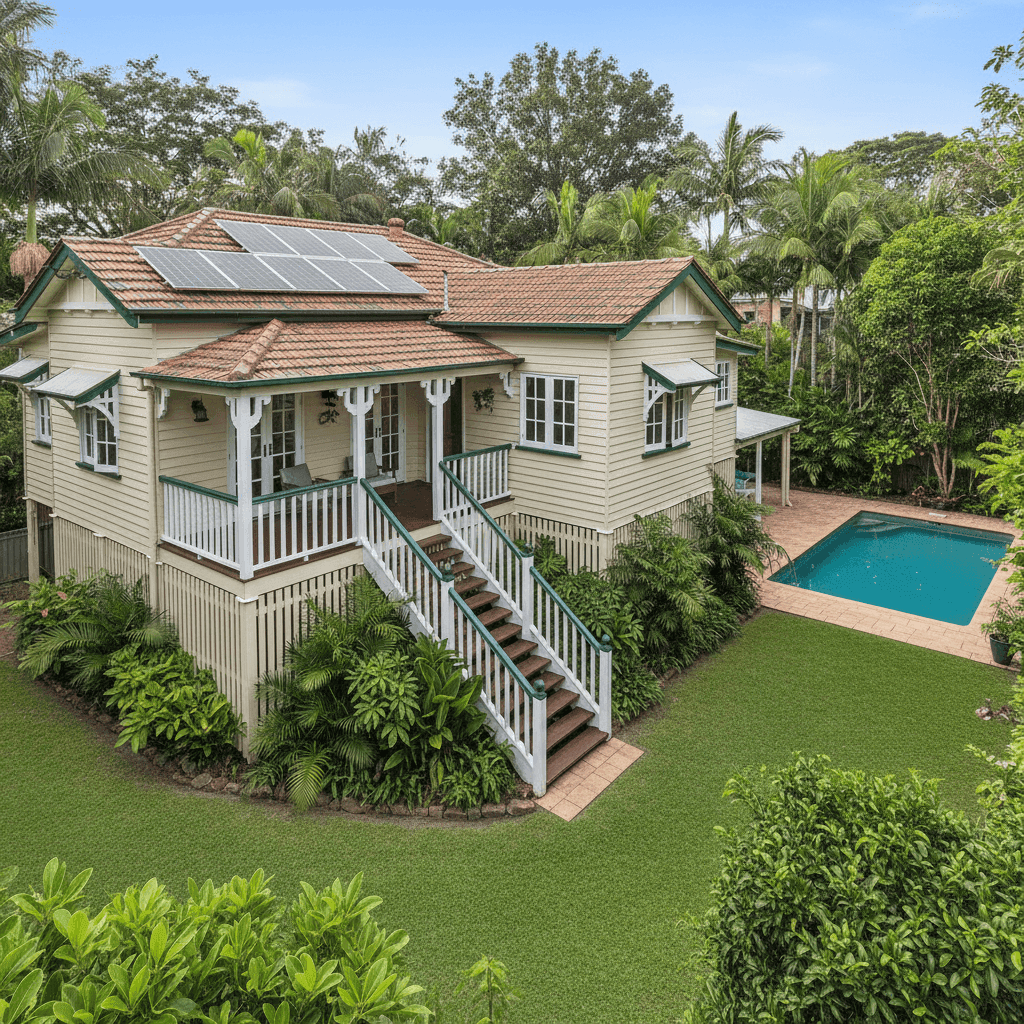
Bracken Ridge is a well-established northern Brisbane suburb sitting roughly 20 kilometres from the CBD, known for its leafy streets, family-friendly atmosphere, and mix of classic Queenslander-era homes. If you own a free standing home here — particularly an older weatherboard property on stumps — understanding what drives your insurance premium can make a real difference to your hip pocket. This article breaks down a recent home and contents insurance quote for a 3-bedroom, 2-bathroom property in Bracken Ridge (QLD 4017) and puts the numbers into context.
---
Is This Quote Fair?
The short answer: yes — and then some. This quote came in at $1,242 per year (or $121 per month) for combined home and contents cover, with a building sum insured of $486,000 and contents valued at $50,000. Our price rating for this quote is CHEAP, meaning it sits well below the average for the area.
To put that in perspective:
- The suburb average for Bracken Ridge is $3,088/yr, and the median sits at $2,723/yr
- Even the 25th percentile — the cheapest quarter of quotes in the suburb — comes in at $1,888/yr
- This quote, at $1,242/yr, is $646 below the cheapest quartile in the suburb
That's a genuinely impressive result. The building excess is set at $3,000 (higher than typical), and the contents excess is $1,000 — both of which will have contributed to pulling the premium down. A higher excess means you're agreeing to cover more of any claim yourself, which reduces the insurer's risk and, in turn, your annual cost. Whether that trade-off suits your financial situation is worth thinking through carefully.
---
How Bracken Ridge Compares
Home insurance pricing in Queensland is notoriously high compared to the rest of the country, largely due to the state's exposure to extreme weather events — storms, flooding, and cyclones all factor into how insurers price risk across the state.
Here's how the numbers stack up across different benchmarks:
| Benchmark | Annual Premium |
|---|---|
| This Quote | $1,242 |
| Bracken Ridge 25th percentile | $1,888 |
| Bracken Ridge Median | $2,723 |
| Bracken Ridge Average | $3,088 |
| Bracken Ridge 75th percentile | $3,705 |
| Brisbane LGA Average | $4,485 |
| QLD State Average | $4,547 |
| National Average | $2,965 |
Remarkably, this quote is even 58% below the national average of $2,965/yr — not just cheap for Queensland, but cheap by any measure. The Queensland state average of $4,547/yr reflects just how significantly weather risk inflates premiums across the state, and the Brisbane LGA average of $4,485/yr tells a similar story. You can explore Bracken Ridge-specific insurance data and national benchmarks to see how your own situation compares.
---
Property Features That Affect Your Premium
Several characteristics of this property are worth examining, as they each play a role in how insurers calculate risk and set premiums.
Weatherboard Timber Construction
Weatherboard wood external walls are a hallmark of Queensland's older housing stock and are generally considered higher risk by insurers compared to brick veneer or full brick. Timber is more susceptible to fire, termite damage, and general wear. That said, it's a very common construction type in Bracken Ridge, so local insurers are well-versed in pricing it.
Elevated on Stumps
This property is elevated by at least one metre on stumps — a classic Queenslander design feature. Elevation can actually work in your favour from a flood-risk perspective, as water is less likely to inundate the living areas. It may also improve ventilation and reduce moisture-related issues. However, stumped foundations do introduce some structural risk considerations that insurers factor in.
Tiled Roof (Built in 1979)
The home was built in 1979, making it over 45 years old. Older tiled roofs can be more prone to cracking, shifting, or storm damage, and replacement costs can be significant. Insurers will consider the age and condition of the roof when assessing risk.
Timber and Laminate Flooring
Timber and laminate floors are a common feature in homes of this era and can be costly to repair or replace after a water or storm event. This is worth keeping in mind when reviewing your contents and building sum insured.
Swimming Pool
Having a pool on the property adds to the overall replacement value of the home, which is reflected in the building sum insured. Pools also carry liability considerations, though this is typically covered under your home policy.
Solar Panels
Solar panels are increasingly common in Brisbane's northern suburbs and are generally covered under building insurance as a fixed fixture. It's always worth confirming with your insurer that your panels — and any associated battery storage — are included in your cover.
---
Tips for Homeowners in Bracken Ridge
1. Review your excess settings annually This quote uses a $3,000 building excess, which is on the higher end. While it reduces your premium significantly, make sure you have that amount readily accessible in case you need to make a claim. If your financial situation changes, it may be worth adjusting your excess to find a better balance.
2. Check your sum insured reflects current rebuild costs Building costs have risen sharply across Australia in recent years. A sum insured of $486,000 for a 139 sqm weatherboard home in Brisbane is worth reviewing against current construction rates. Underinsurance is one of the most common — and costly — mistakes homeowners make.
3. Confirm your pool and solar panels are explicitly covered Ask your insurer to confirm in writing that your swimming pool and solar panels are included in your building cover. Some policies have exclusions or sub-limits for these features, which could leave you out of pocket after a storm or hail event.
4. Keep an eye on storm season While Bracken Ridge sits outside the designated cyclone risk zone, it's still exposed to severe thunderstorms, hail, and heavy rainfall during Queensland's wet season (roughly November to April). Ensuring your roof, gutters, and drainage are well-maintained can help prevent claims — and potentially keep your premium lower at renewal.
---
Compare Your Own Quote
Whether you're a long-time Bracken Ridge resident or just getting started with home ownership in the area, it pays to shop around. Premiums can vary enormously between insurers for the same property — as this quote clearly demonstrates. Get a home insurance quote through CoverClub to see how your current policy stacks up against the market, and make sure you're not paying more than you need to for solid cover.