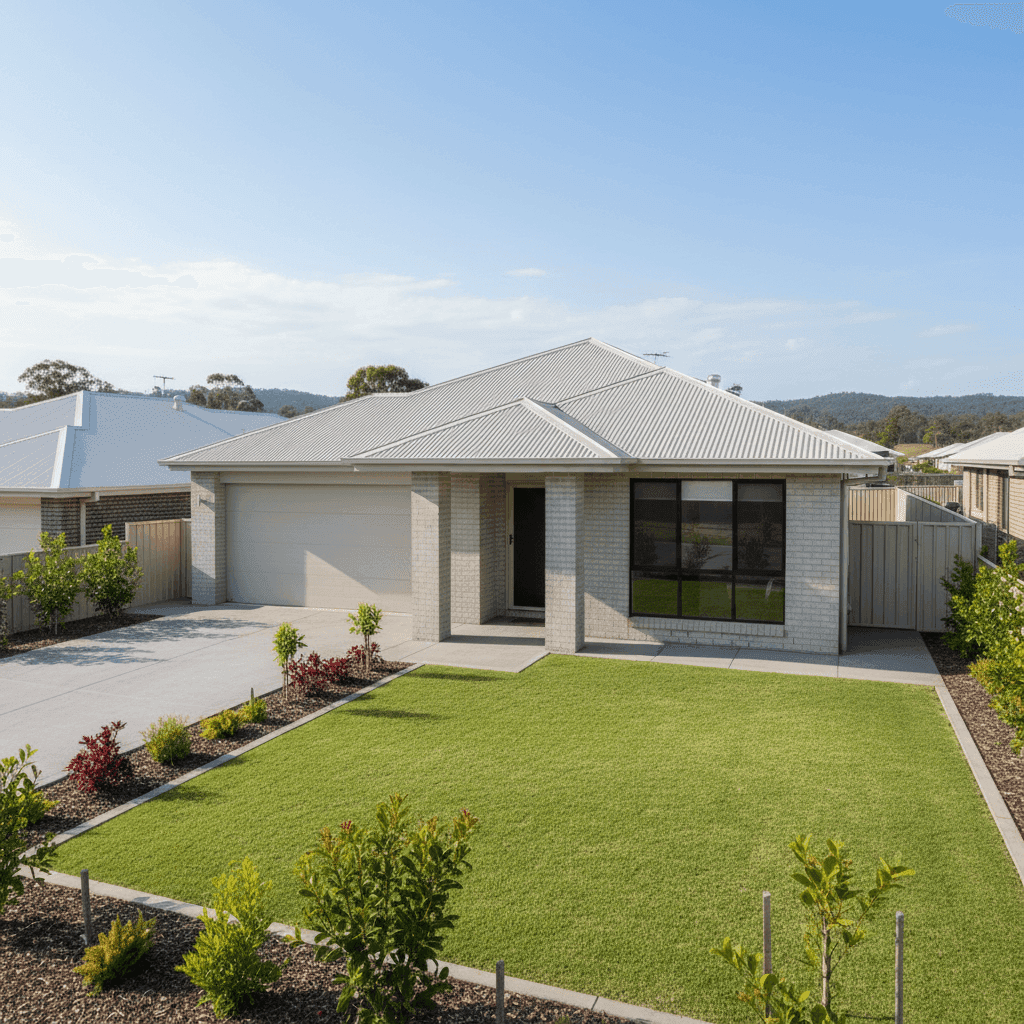
If you own a free standing home in Braemore, QLD 4313, you might be wondering whether you're getting a fair deal on your home insurance — or quietly paying too much. In this article, we break down a real home and contents insurance quote for a four-bedroom property in Braemore, comparing it against local, state-wide, and national benchmarks to help you understand exactly where you stand.
---
Is This Quote Fair?
The quote in question comes in at $1,178 per year (or around $115 per month) for combined home and contents cover, with a building sum insured of $800,000 and contents valued at $100,000. The building excess is $2,000 and the contents excess is $1,000.
Our price rating for this quote? Cheap — well below average.
To put that in perspective: the average home and contents premium in Braemore sits at around $2,881 per year, with a median of $2,852. This quote comes in at roughly 59% below the suburb average — a substantial saving that's hard to ignore. Even compared to the cheapest quarter of quotes in the area (the 25th percentile sits at $2,170/yr), this premium is still significantly lower.
For homeowners in the region, this is an encouraging result. That said, it's always worth checking what's included in the policy — a low premium doesn't always mean the best cover. Make sure the policy terms, inclusions, and exclusions suit your specific circumstances before signing on.
---
How Braemore Compares
Braemore sits within the Somerset LGA in South East Queensland, and insurance pricing in the area reflects the region's unique risk profile. Here's how the numbers stack up:
| Benchmark | Annual Premium |
|---|---|
| This Quote | $1,178 |
| Braemore Suburb Average | $2,881 |
| Braemore Suburb Median | $2,852 |
| Somerset LGA Average | $3,203 |
| QLD State Average | $4,547 |
| QLD State Median | $3,931 |
| National Average | $2,965 |
| National Median | $2,716 |
A few things stand out here. First, Queensland is one of the most expensive states in the country for home insurance — the QLD state average of $4,547/yr is well above the national average of $2,965/yr. This is largely driven by the state's exposure to severe weather events, including flooding, storms, and cyclones in northern regions.
Interestingly, Braemore's local average of $2,881/yr is actually below both the Somerset LGA average and the QLD state average — suggesting that properties in this postcode may attract relatively lower risk assessments compared to other parts of Queensland. Even so, this particular quote undercuts the suburb average by a wide margin, making it a genuinely competitive result.
It's worth noting that the suburb sample size used here is six quotes, so the local averages should be treated as indicative rather than definitive. As more data becomes available, these figures will become more robust.
---
Property Features That Affect Your Premium
Insurance premiums aren't pulled from thin air — they're calculated based on a detailed assessment of your property's characteristics. Here's how the features of this particular home likely influence its pricing:
- Brick Veneer Walls: Brick veneer is generally regarded as a solid, fire-resistant construction material. Insurers tend to view it favourably compared to weatherboard or other timber-heavy exteriors, which can translate to lower premiums.
- Steel/Colorbond Roof: Colorbond roofing is durable, low-maintenance, and performs well in high-wind conditions. It's a popular choice in Queensland and is typically well-regarded by insurers for its resilience.
- Slab Foundation: Concrete slab foundations are standard in modern Australian construction and are generally considered low-risk by insurers — no subfloor space means less exposure to moisture, pests, and certain types of structural movement.
- Built in 2022: A recently constructed home carries significant advantages when it comes to insurance. Newer builds comply with the latest Australian building codes, which include improved standards for cyclone resistance, fire safety, and structural integrity. This alone can have a meaningful impact on premium pricing.
- 214 sqm Building Size: At 214 square metres, this is a mid-to-large family home. The $800,000 sum insured reflects a rebuild cost that accounts for the size, quality of fittings, and current construction costs — all important factors in ensuring you're not underinsured.
- Ducted Climate Control: The presence of ducted air conditioning adds to the contents and fixtures value of the home. It's factored into the building sum insured and is worth noting when reviewing your policy to ensure it's adequately covered.
- No Pool, No Solar Panels: The absence of a swimming pool removes a common liability risk factor, while no solar panels simplifies the electrical risk profile. Both can contribute to a cleaner, lower-risk assessment.
- Standard Fittings Quality: Standard fittings (as opposed to high-end or prestige finishes) keep the rebuild cost estimate more straightforward, reducing the likelihood of over- or under-insuring the property.
- Not in a Cyclone Risk Zone: Unlike many parts of Queensland, Braemore is not classified as a cyclone risk area. This is a significant factor — cyclone-rated premiums in northern QLD can be dramatically higher, so properties outside these zones benefit from lower base risk ratings.
---
Tips for Homeowners in Braemore
Whether you're reviewing an existing policy or shopping around for the first time, here are a few practical tips to keep in mind:
- Don't set and forget your sum insured. Construction costs have risen sharply in recent years. A sum insured that was appropriate two years ago may no longer reflect the true cost to rebuild your home. Review it annually and consider using a professional building calculator to check your figures.
- Compare quotes before renewing. Even if your current premium seems reasonable, insurers don't always reward loyalty. Running a fresh comparison at renewal time — especially through a platform like CoverClub — can reveal significantly better options.
- Understand your excess structure. This quote carries a $2,000 building excess and a $1,000 contents excess. Opting for a higher excess can reduce your premium, but make sure you're comfortable covering that amount out of pocket if you need to make a claim.
- Check what's included for storm and water damage. Queensland weather can be unpredictable, even outside cyclone zones. Confirm that your policy covers storm surge, rainwater ingress, and flash flooding — and be aware that flood cover is often a separate inclusion that needs to be specifically added.
---
Ready to Compare?
Whether this quote is yours or you're simply benchmarking what a competitive premium looks like in Braemore, the best way to ensure you're getting value is to compare. Head to CoverClub to get a home and contents insurance quote tailored to your property — it takes just a few minutes and could save you hundreds of dollars a year.