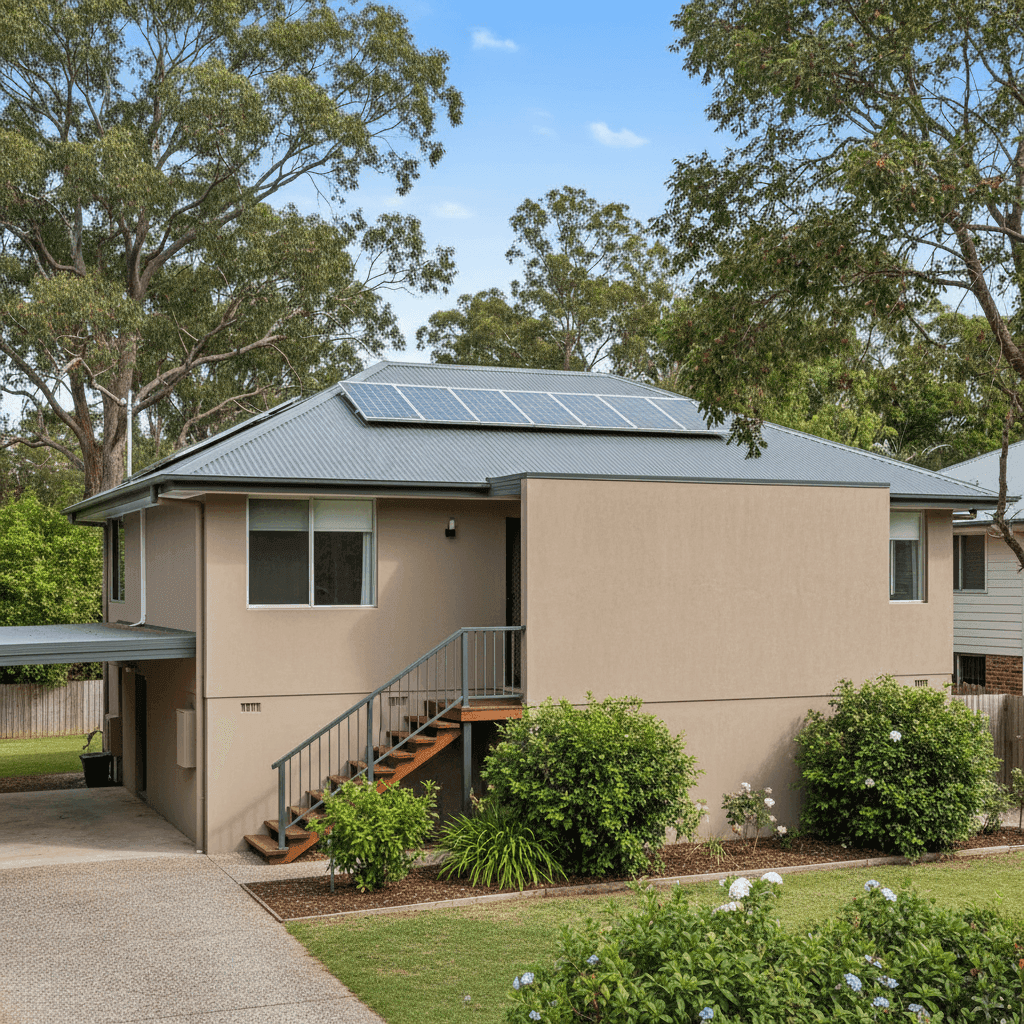
If you own a semi detached home in Brierfield, NSW 2454, you're likely familiar with the Mid North Coast's relaxed lifestyle — but you may be less familiar with how your home insurance premium stacks up against the rest of the state and country. This article breaks down a real home and contents insurance quote for a four-bedroom, two-bathroom semi detached property in Brierfield, examines what's driving the price, and offers practical tips to help you get the best value cover.
---
Is This Quote Fair?
The quote in question comes in at $6,277 per year (or $602 per month) for combined home and contents insurance, covering a building sum insured of $1,133,000 and contents valued at $99,000. Both building and contents carry a $1,000 excess.
Based on CoverClub's pricing data, this quote is rated CHEAP — meaning it sits below the average for comparable properties. That's good news for the homeowner. Given the relatively high sum insured on the building, securing cover below the NSW state average is a meaningful saving.
To put it in perspective: the NSW state average premium is $9,528 per year, and the national average sits at $5,347 per year. This quote beats both benchmarks comfortably. Even against the national median of $2,764 — which skews lower because it includes many lower-risk, lower-value properties — the premium reflects the significant building replacement value being covered here.
In short, if you're paying around this figure for a well-specified semi detached in Brierfield, you're in a solid position relative to the broader market.
---
How Brierfield Compares
Understanding where Brierfield sits in the broader insurance landscape is useful context for any homeowner. Unfortunately, suburb-level data for postcode 2454 is still being compiled, so we're working with LGA and state-level comparisons — but these still tell an informative story.
| Benchmark | Annual Premium |
|---|---|
| This Quote | $6,277 |
| Nambucca Valley LGA Average | $5,223 |
| NSW State Average | $9,528 |
| NSW State Median | $3,770 |
| National Average | $5,347 |
| National Median | $2,764 |
This quote sits above the Nambucca Valley LGA average of $5,223, which is expected — the building sum insured of $1,133,000 is substantially higher than what many homes in the region would carry. When you adjust for the level of cover, the per-dollar-of-coverage rate is competitive.
The NSW state average of $9,528 is notably high, partly driven by premiums in flood-prone, bushfire-affected, or high-density coastal areas across the state. Brierfield, while a regional Mid North Coast location, doesn't carry the same risk loading as some of NSW's more exposed postcodes — which likely contributes to the more favourable pricing seen here.
You can explore more data for your area at CoverClub's Brierfield stats page, compare it against the NSW state overview, or benchmark against national insurance data.
---
Property Features That Affect Your Premium
Every property is different, and insurers price risk based on a detailed combination of construction, location, and features. Here's how the characteristics of this particular property influence the premium:
Concrete External Walls
Concrete construction is generally viewed favourably by insurers. It's highly resistant to fire, termites, and impact damage — all meaningful considerations in regional NSW. This material choice can contribute to lower premiums compared to older timber-clad homes.
Steel / Colorbond Roof
Colorbond roofing is a popular and insurer-friendly choice in Australia. It's durable, low-maintenance, and performs well in high-wind events. It also doesn't carry the fire risk associated with older materials like wood shingles, which can help keep premiums in check.
Elevated by At Least 1 Metre
The property's elevated foundation is a double-edged consideration. On one hand, elevation can reduce flood and storm water inundation risk — a significant factor in coastal and river-adjacent areas. On the other, elevated homes can be more exposed to wind damage. Overall, in a region like Brierfield, the flood mitigation benefit tends to be viewed positively.
Slab Foundation
A concrete slab is a stable, widely used foundation type that typically doesn't attract additional premium loading. It's a neutral-to-positive factor in most insurer assessments.
Timber and Laminate Flooring
While timber flooring adds aesthetic and resale value, it can be more susceptible to water damage than tiles. This may have a modest influence on the contents and internal fixtures portion of the premium, though the effect is generally minor.
Solar Panels
The property has solar panels installed. These are increasingly common across Australian homes and are generally covered under home insurance, though it's worth confirming with your insurer that they're explicitly included in your policy — particularly for damage from storms, hail, or falling debris.
1985 Construction
Homes built in the mid-1980s are at an interesting crossroads for insurers. They're old enough that some components (wiring, plumbing) may require attention, but they predate the widespread use of materials like asbestos in external cladding (though internal materials should always be checked). A building inspection and maintenance record can support your insurance position.
No Pool, No Ducted Climate Control, Not in a Cyclone Zone
The absence of a swimming pool removes a common liability and damage risk factor. No ducted climate control simplifies the mechanical systems in the home. And being outside a designated cyclone risk area means the property avoids one of the most significant premium drivers in northern Australia.
---
Tips for Homeowners in Brierfield
Whether you're reviewing your current policy or shopping for the first time, here are four practical steps to make sure you're getting the right cover at the right price.
1. Verify Your Building Sum Insured Annually At $1,133,000, the building sum insured on this quote is substantial. Construction costs have risen sharply in recent years, so it's important to review this figure each year to ensure it reflects current rebuild costs — not just the original purchase price or an outdated estimate. Underinsurance is one of the most common and costly mistakes Australian homeowners make.
2. Confirm Solar Panel Coverage With solar panels on the roof, check your policy wording carefully. Some policies include solar panels as part of the building, while others treat them as an optional add-on. Make sure storm, hail, and accidental damage are covered, and keep records of the installation date and value.
3. Review Your Contents Value At $99,000, the contents sum insured should reflect the actual replacement value of everything inside your home — furniture, appliances, clothing, electronics, and more. Many Australians underestimate their contents value. A home inventory (even a simple one recorded on your phone) can help you set an accurate figure.
4. Compare Quotes Before Renewal Even if your current premium is rated as cheap, the insurance market shifts constantly. Comparing quotes at renewal — rather than simply auto-renewing — can reveal meaningful savings or better coverage options. Get a fresh quote at CoverClub to see how your current policy measures up.
---
Ready to Compare?
Whether you're a first-time buyer or a long-term Brierfield resident, making sure your home insurance is both adequate and competitively priced is one of the smartest financial moves you can make. CoverClub makes it easy to compare home and contents insurance quotes from multiple providers in minutes. Start your comparison today and see what you could be saving.