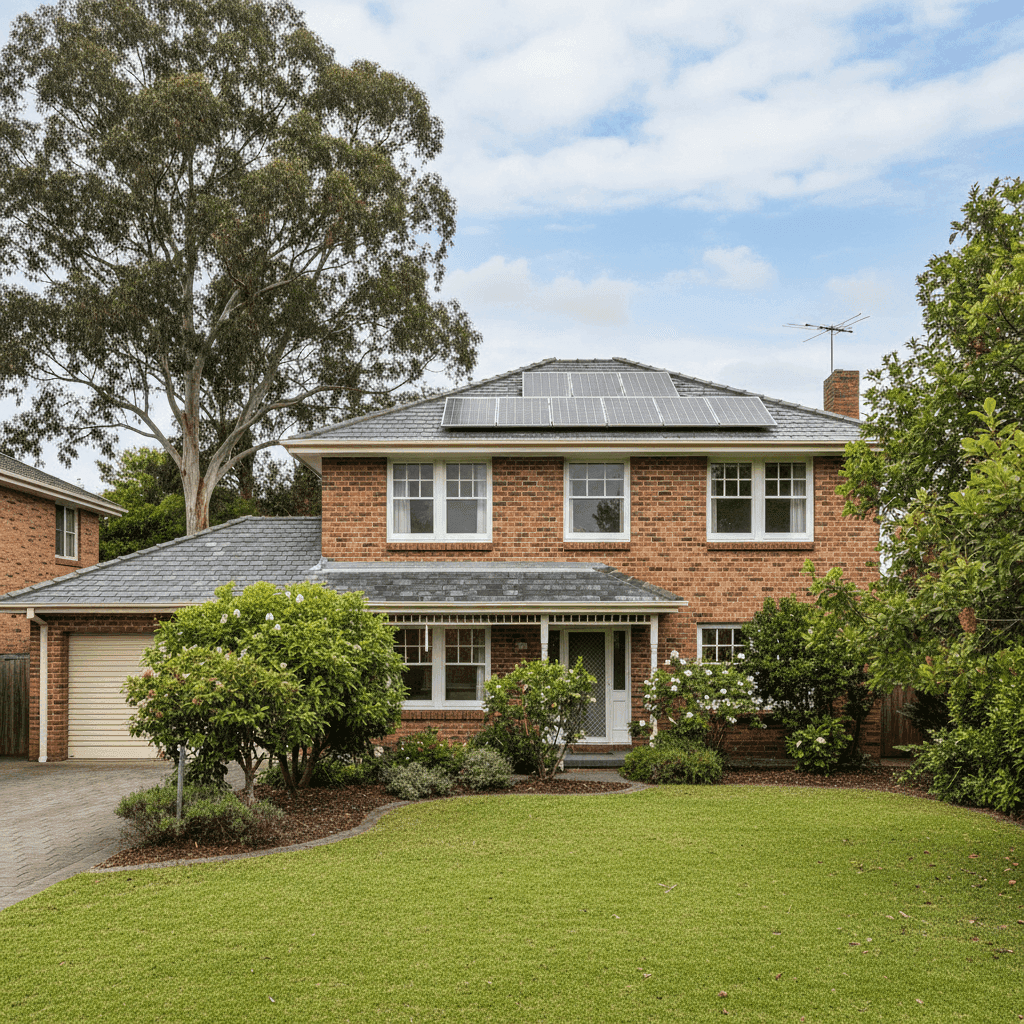
Brighton East is one of Melbourne's more sought-after bayside suburbs, and with that desirability comes a level of complexity when it comes to protecting your home. If you own a free standing home in the 3187 postcode, understanding what you should be paying for home and contents insurance — and why — can save you hundreds of dollars a year. This article breaks down a real quote for a four-bedroom, three-bathroom brick veneer home in Brighton East, and puts the numbers into context.
---
Is This Quote Fair?
The quote in question sits at $1,398 per year (or $137 per month) for combined home and contents cover, with a building sum insured of $200,000 and contents valued at $50,000. Both the building and contents excess are set at $500.
Our price rating for this quote is FAIR — Around Average, and the data backs that up. Within Brighton East itself, the suburb average premium is $1,609/yr and the median sits slightly higher at $1,632/yr. That means this quote comes in roughly $211 below the suburb average — a meaningful saving without having had to sacrifice coverage.
To put it another way, this quote lands between the suburb's 25th percentile ($1,327/yr) and the median ($1,632/yr), which is a solid position to be in. You're not getting the cheapest possible deal, but you're well clear of the higher end of the market, where premiums in Brighton East can stretch to $1,887/yr or beyond at the 75th percentile.
The "fair" rating reflects that there's still room to potentially find a better price through comparison, but this is by no means an overpriced policy.
---
How Brighton East Compares
One of the most striking takeaways from this quote is just how favourably Brighton East compares to broader benchmarks. You can explore the full data on the Brighton East insurance stats page, but here's a quick summary:
| Benchmark | Annual Premium |
|---|---|
| This Quote | $1,398 |
| Brighton East Suburb Average | $1,609 |
| Brighton East Suburb Median | $1,632 |
| Glen Eira LGA Average | $1,828 |
| VIC State Average | $3,000 |
| VIC State Median | $2,718 |
| National Average | $5,347 |
| National Median | $2,764 |
Compared to the Victorian state average of $3,000/yr, this quote represents a saving of over $1,600 annually. And when stacked against the national average of $5,347/yr — heavily influenced by high-risk areas in Queensland and Northern Australia — the difference is stark.
It's worth noting that the national average is skewed significantly upward by cyclone-prone and flood-affected regions. Brighton East carries no cyclone risk, which is a major factor in keeping premiums comparatively low. Still, even against the national median of $2,764/yr, this quote looks competitive.
The Glen Eira LGA average of $1,828/yr is also a useful reference point — this quote sits $430 below that figure, suggesting the specific property characteristics are working in the homeowner's favour.
---
Property Features That Affect Your Premium
Several characteristics of this property have a direct bearing on how insurers assess risk and calculate premiums.
Brick Veneer Construction Brick veneer is generally viewed favourably by insurers. It offers solid fire resistance and structural durability compared to lightweight cladding materials, which can translate to lower premiums. It's one of the most common wall types across Melbourne's established suburbs, and insurers have a well-developed understanding of its risk profile.
Slate Roof A slate roof is a double-edged sword from an insurance perspective. On the positive side, slate is extremely durable and long-lasting — a well-maintained slate roof can last well over a century. However, it can be costly to repair or replace, and some insurers factor in the higher replacement cost when calculating premiums. Homeowners should ensure their sum insured accurately reflects the cost of reinstating a slate roof, as it's significantly more expensive than tiled or Colorbond alternatives.
Construction Year: 1987 At around 37 years old, this home sits in a middle ground — old enough that some systems (plumbing, electrical) may be ageing, but well past the era of particularly high-risk building materials like asbestos-containing products that were phased out earlier. Insurers generally treat homes of this era as standard risk.
Solar Panels The presence of solar panels is increasingly common and most insurers now include them under building cover as a fixed structure. However, it's worth confirming this with your insurer, as some policies treat solar systems differently. Damage from storms, hail, or fire should typically be covered under a standard building policy.
Ducted Climate Control Ducted heating and cooling systems are a significant fixed asset and should be covered under your building sum insured. Given the cost of replacing or repairing these systems, homeowners should ensure their building sum insured is sufficient.
Slab Foundation & Tiled Flooring A concrete slab foundation is standard across many Melbourne properties and is generally considered a neutral-to-positive risk factor. Tiled flooring is durable and resistant to water damage compared to timber or carpet, which may marginally assist with contents claims.
---
Tips for Homeowners in Brighton East
1. Review Your Building Sum Insured Carefully At $200,000, the building sum insured for this property warrants a close look. Brighton East is a premium suburb, and construction costs in Melbourne have risen sharply in recent years. A 268 sqm home with a slate roof and ducted systems could cost significantly more than $200,000 to rebuild from scratch. Use a building cost calculator or speak with a quantity surveyor to confirm your sum insured is adequate — being underinsured can be just as damaging as paying too much.
2. Confirm Solar Panel Coverage With solar panels installed, check your policy wording to confirm they are explicitly covered for damage caused by storms, fire, and accidental damage. Some policies have sub-limits or exclusions for solar systems, so it pays to read the fine print.
3. Compare Quotes Annually The insurance market in Victoria is competitive, and premiums can shift year to year. Since this quote is rated as fair rather than exceptional, running a comparison at renewal time could uncover a better deal — potentially saving you $200–$400 per year without reducing your coverage.
4. Consider Your Excess Level Both excesses are set at $500, which is a moderate level. Increasing your excess to $1,000 can reduce your annual premium, though it means paying more out of pocket if you need to make a claim. This trade-off is worth considering if you have a healthy emergency fund and a low claims history.
---
Compare Home Insurance Quotes in Brighton East
Whether you're reviewing your current policy or shopping for the first time, comparing multiple quotes is the most reliable way to make sure you're getting genuine value. Get a home insurance quote at CoverClub and see how your premium stacks up against your neighbours in Brighton East and across Victoria.