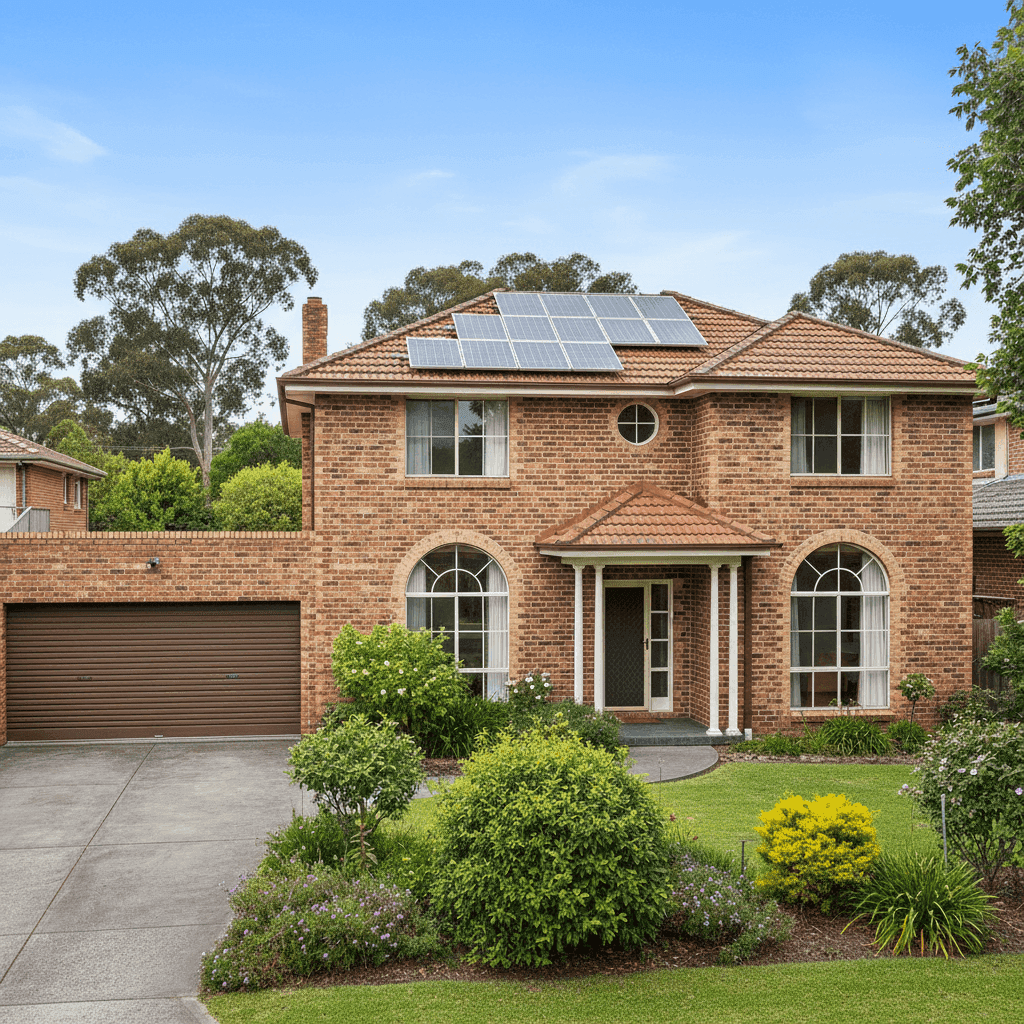
Brighton East is one of Melbourne's most sought-after bayside suburbs, known for its tree-lined streets, quality schools, and a housing stock that leans heavily toward well-built, owner-occupied family homes. If you own a free standing home here, protecting it with the right level of insurance is a serious financial decision — and understanding whether the premium you've been quoted is genuinely competitive is the first step to making a smart choice.
This article breaks down a real home and contents insurance quote for a 3-bedroom, 2-bathroom free standing home in Brighton East (postcode 3187), compares it against local, state, and national benchmarks, and offers practical tips to help you get better value from your cover.
---
Is This Quote Fair?
The quote in question comes in at $2,632 per year (or roughly $257 per month) for combined home and contents insurance, with a building sum insured of $1,300,000 and contents valued at $200,000. Both the building and contents excess are set at $1,000.
Our pricing analysis rates this quote as Expensive — Above Average.
To put that in context: the suburb average premium for Brighton East sits at just $1,609 per year, and the median is $1,632. That means this quote is approximately $1,023 above the suburb average — a significant gap that warrants a closer look. Even at the 75th percentile of local quotes (i.e., the more expensive end of the Brighton East market), premiums sit around $1,887 — still well below this quote.
That said, it's worth noting that the building sum insured of $1.3 million is likely higher than many comparable properties in the area, and the above-average fittings quality will push the premium upward. High-quality fixtures, finishes, and inclusions cost more to replace, and insurers price accordingly.
---
How Brighton East Compares
Understanding where Brighton East sits in the broader insurance landscape helps frame whether a given quote is reasonable. Here's how the numbers stack up:
| Benchmark | Annual Premium |
|---|---|
| This Quote | $2,632 |
| Brighton East Suburb Average | $1,609 |
| Brighton East Suburb Median | $1,632 |
| Glen Eira LGA Average | $1,828 |
| VIC State Average | $3,000 |
| VIC State Median | $2,718 |
| National Average | $5,347 |
| National Median | $2,764 |
Viewed against Victorian state averages, this quote is actually below the state average of $3,000 and sits just above the state median of $2,718. When stacked against national figures, where the average premium is a striking $5,347 per year, it looks even more reasonable.
The picture changes considerably when you zoom into Brighton East's own suburb statistics, where the local average is a notably lower $1,609. This divergence suggests that while the quote isn't out of step with broader Victorian pricing, there is meaningful room to find a more competitive rate within the suburb itself — particularly if the sum insured or contents value can be refined.
It's also worth noting that the suburb sample size of 14 quotes is relatively small, so local averages should be interpreted with some caution. More data points would give a sharper picture of the true market rate for Brighton East.
---
Property Features That Affect Your Premium
Several characteristics of this property have a direct influence on the premium quoted. Understanding these factors helps you have a more informed conversation with insurers — and potentially identify where adjustments could be made.
Brick Veneer Construction & Tiled Roof Brick veneer walls and a tiled roof are generally viewed favourably by insurers. These materials are durable, fire-resistant, and widely used across Melbourne's established suburbs. Compared to timber weatherboard or Colorbond steel, brick veneer typically attracts a lower risk rating, which can help keep premiums down.
Slab Foundation A concrete slab foundation is standard for homes built around 1990 and is considered low-risk by most underwriters. It's less susceptible to subsidence or movement than older pier-and-beam structures, which is a positive for insurability.
Solar Panels The presence of solar panels adds a modest cost to the insured value of the property. Panels are generally covered under building insurance, but they do represent an additional asset that needs to be factored into the sum insured. Ensuring your building cover accurately reflects the replacement cost of your solar system is important.
Ducted Climate Control Ducted heating and cooling systems are a significant fixed asset and can be expensive to repair or replace. Insurers typically include these under building cover, and their presence in a home with above-average fittings quality contributes to a higher overall sum insured — which flows through to the premium.
Above-Average Fittings Quality This is one of the more impactful rating factors. Homes with premium finishes — think stone benchtops, quality cabinetry, high-end appliances, and superior fixtures — cost substantially more to rebuild or restore to their original standard. Insurers account for this when calculating the premium, and it's a key reason this quote sits above the local average.
Building Size: 139 sqm At 139 square metres, this is a modestly sized home for a 3-bedroom, 2-bathroom property. Combined with the above-average fittings quality, the high sum insured of $1.3 million reflects the cost of quality rather than quantity — a distinction worth keeping in mind when reviewing your coverage.
---
Tips for Homeowners in Brighton East
1. Review Your Sum Insured Carefully A sum insured of $1,300,000 for a 139 sqm home is substantial. While above-average finishes justify a higher figure, it's worth getting an independent building replacement cost estimate to confirm this figure is accurate — not just for cost reasons, but to avoid being over-insured or, worse, under-insured in the event of a total loss.
2. Compare Multiple Quotes The gap between this quote and the Brighton East suburb average is over $1,000 per year. That's a compelling reason to shop around. Use a comparison platform like CoverClub to see what multiple insurers would charge for the same level of cover on your property.
3. Consider Your Excess Level Both the building and contents excess are set at $1,000. Opting for a higher voluntary excess — say, $2,000 or $2,500 — can meaningfully reduce your annual premium. If you have the financial buffer to cover a larger out-of-pocket cost in a claim, this is often a smart trade-off.
4. Check Your Contents Value Annually With $200,000 in contents cover, it's worth doing a regular audit of your belongings. Over time, the value of furniture, electronics, jewellery, and other possessions can shift significantly. Being either under-insured or over-insured on contents is a common and avoidable issue — a quick annual review keeps your cover aligned with reality.
---
Ready to Compare?
Whether this quote is right for your situation depends on your specific property, risk tolerance, and budget. The best way to know if you're getting a fair deal is to compare. Visit CoverClub to get quotes from multiple insurers for your Brighton East home — it takes just a few minutes and could save you hundreds of dollars a year.