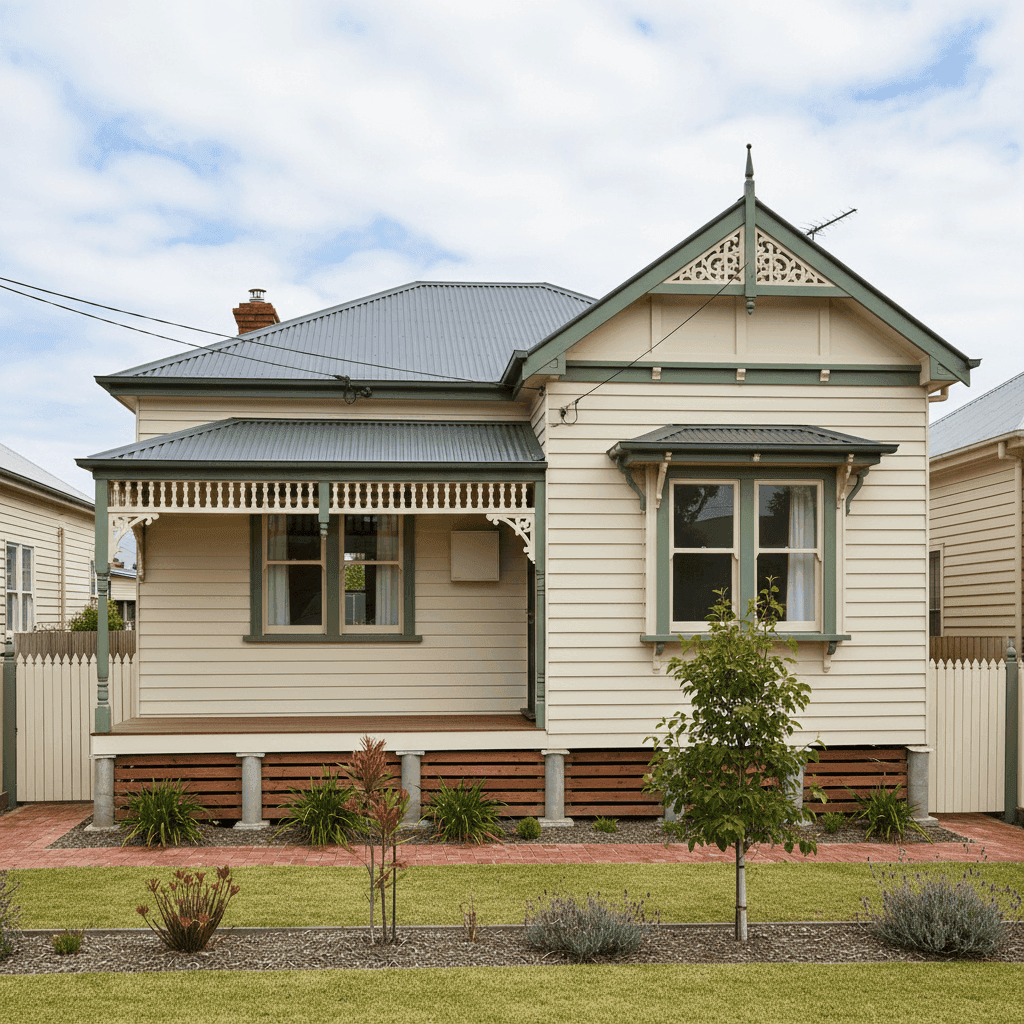
Brunswick is one of Melbourne's most characterful inner-north suburbs — a dense, walkable neighbourhood of Victorian-era streetscapes, independent cafés, and a strong sense of community. It's also home to a large stock of period weatherboard and brick homes, many of which carry heritage overlays that add both charm and complexity when it comes to insuring them. This article breaks down a real building insurance quote for a three-bedroom free-standing weatherboard home in Brunswick (postcode 3056), examining what drives the price, how it stacks up against local and national benchmarks, and what homeowners in the area can do to make sure they're getting the best value cover.
---
Is This Quote Fair?
The quoted annual premium of $1,681 (or roughly $161 per month) for building-only cover on a $550,000 sum insured has been rated Fair — Around Average. That's a reasonable starting point, but context matters a great deal here.
Compared to the suburb average of $1,987/yr for Brunswick, this quote sits about 15% below what most homeowners in the postcode are currently paying. It's also comfortably under the suburb median of $2,006/yr. In practical terms, that's a saving of around $300 a year compared to a typical Brunswick policy — not insignificant over the life of a mortgage.
At the same time, it's worth noting that the suburb's 25th percentile sits at $1,256/yr, meaning roughly a quarter of Brunswick homeowners are paying less than this quote. The 75th percentile reaches $2,647/yr, so there's a wide spread of premiums in the area — likely reflecting the diversity of property ages, construction types, and sum insured values across the suburb. With only eight quotes in the current sample, there's still some variability to account for, but the directional picture is clear: this quote is competitive without being the cheapest available.
The $1,000 building excess is standard for Australian home insurance policies and represents a sensible balance between keeping the premium down and maintaining manageable out-of-pocket costs in the event of a claim.
---
How Brunswick Compares
Zooming out to a broader view, this quote looks even more attractive. Victoria's average home insurance premium sits at $3,000/yr, with a state median of $2,718/yr. That means this Brunswick quote is approximately 44% below the Victorian average — a meaningful difference that reflects Brunswick's relatively low exposure to some of the catastrophic weather risks (bushfire, flood, cyclone) that push premiums higher in regional and coastal parts of the state.
At the national level, the contrast is even starker. Australia's average home insurance premium is $5,347/yr, heavily skewed by high-risk zones in Queensland, northern Western Australia, and parts of regional NSW. The national median of $2,764/yr is a more representative figure, and even against that benchmark, this Brunswick quote is competitive.
Locally, the LGA average for Moreland (now City of Merri-bek) is $1,551/yr — slightly below this quote, though LGA averages can mask significant variation between individual suburbs and property types. Brunswick's position as a heritage-dense, inner-urban suburb with older housing stock tends to push premiums slightly above the broader LGA average.
| Benchmark | Premium |
|---|---|
| This Quote | $1,681/yr |
| Brunswick Suburb Average | $1,987/yr |
| Brunswick Suburb Median | $2,006/yr |
| Moreland LGA Average | $1,551/yr |
| Victoria Average | $3,000/yr |
| National Average | $5,347/yr |
| National Median | $2,764/yr |
---
Property Features That Affect Your Premium
Several characteristics of this property have a direct influence on what insurers charge — and it's worth understanding each of them.
Weatherboard Construction Timber weatherboard is one of the most common external wall materials in Brunswick, particularly in homes built during the Federation and Edwardian eras. While it's architecturally significant and highly sought-after, weatherboard is considered a higher fire risk than brick veneer or double brick, which can push premiums up. Insurers factor in both the cost of replacing timber cladding and its susceptibility to fire spread.
Heritage Overlay This property sits under a Heritage Overlay — a planning control that restricts what changes can be made to the building's exterior. From an insurance perspective, this matters because any reinstatement after a claim must typically comply with heritage requirements, potentially using period-appropriate materials and specialist trades. This can significantly increase rebuild costs beyond standard square-metre estimates, making accurate sum insured selection particularly important for heritage properties.
Construction Year: 1915 At over 110 years old, this home predates modern building standards by a considerable margin. Older homes often have aging electrical wiring, plumbing, and structural elements that increase the likelihood of certain types of claims. Insurers price this risk into the premium, and it's one reason why inner-Melbourne period homes often cost more to insure than newer builds of similar size.
Stump Foundation & Timber Flooring The combination of a stump (pier) foundation and timber/laminate flooring is typical of pre-war Melbourne homes. Stumps can be vulnerable to movement, moisture, and termite activity over time. While this doesn't directly inflate the base premium as dramatically as some other factors, it's a relevant consideration for maintaining the building's structural integrity and avoiding future claims.
Steel/Colorbond Roof On the positive side, a Colorbond steel roof is one of the more insurer-friendly roofing materials. It's durable, low-maintenance, resistant to ember attack, and less prone to storm damage than terracotta or concrete tiles. This likely helps moderate the premium relative to what an equivalent home with an older tile or slate roof might attract.
No Pool, Solar, or Cyclone Risk The absence of a swimming pool, solar panels, and ducted climate control keeps the risk profile straightforward. The property is also outside any designated cyclone risk zone — unsurprising for inner Melbourne, but worth confirming on any policy.
---
Tips for Homeowners in Brunswick
1. Get your sum insured right — especially with a heritage overlay The most common and costly mistake Brunswick homeowners make is underinsuring their property. Heritage rebuild costs can be 20–40% higher than standard construction due to the need for period-appropriate materials and specialist trades. Use a quantity surveyor or an online building calculator calibrated for heritage homes, and review your sum insured annually as construction costs rise.
2. Compare quotes across multiple insurers As the suburb data shows, Brunswick premiums range from $1,256/yr at the 25th percentile to $2,647/yr at the 75th — a gap of nearly $1,400 for what may be similar properties. Shopping around and comparing quotes at CoverClub can make a real difference to your annual outgoings.
3. Keep up with maintenance on older homes Insurers can reduce or deny claims where damage is attributable to poor maintenance rather than a sudden insured event. For a 110-year-old weatherboard home, that means staying on top of re-stumping, repainting external timbers, checking for termite activity, and ensuring gutters and downpipes are clear. A well-maintained home is also a lower-risk home in the eyes of underwriters.
4. Review your excess settings This quote carries a $1,000 building excess. Opting for a higher excess — say $2,000 or $2,500 — can reduce your annual premium meaningfully if you're confident you could cover a larger out-of-pocket cost in the event of a claim. Conversely, if cash flow is a concern, keeping the excess lower provides more predictable costs when things go wrong.
---
Ready to Compare?
Whether you're reviewing an existing policy or insuring a Brunswick home for the first time, it pays to see what the market is offering. Get a home insurance quote at CoverClub and see how your premium stacks up against the suburb, state, and national averages — all in one place. You can also explore the latest Brunswick insurance data and Victorian benchmarks to make sure you're making an informed decision.