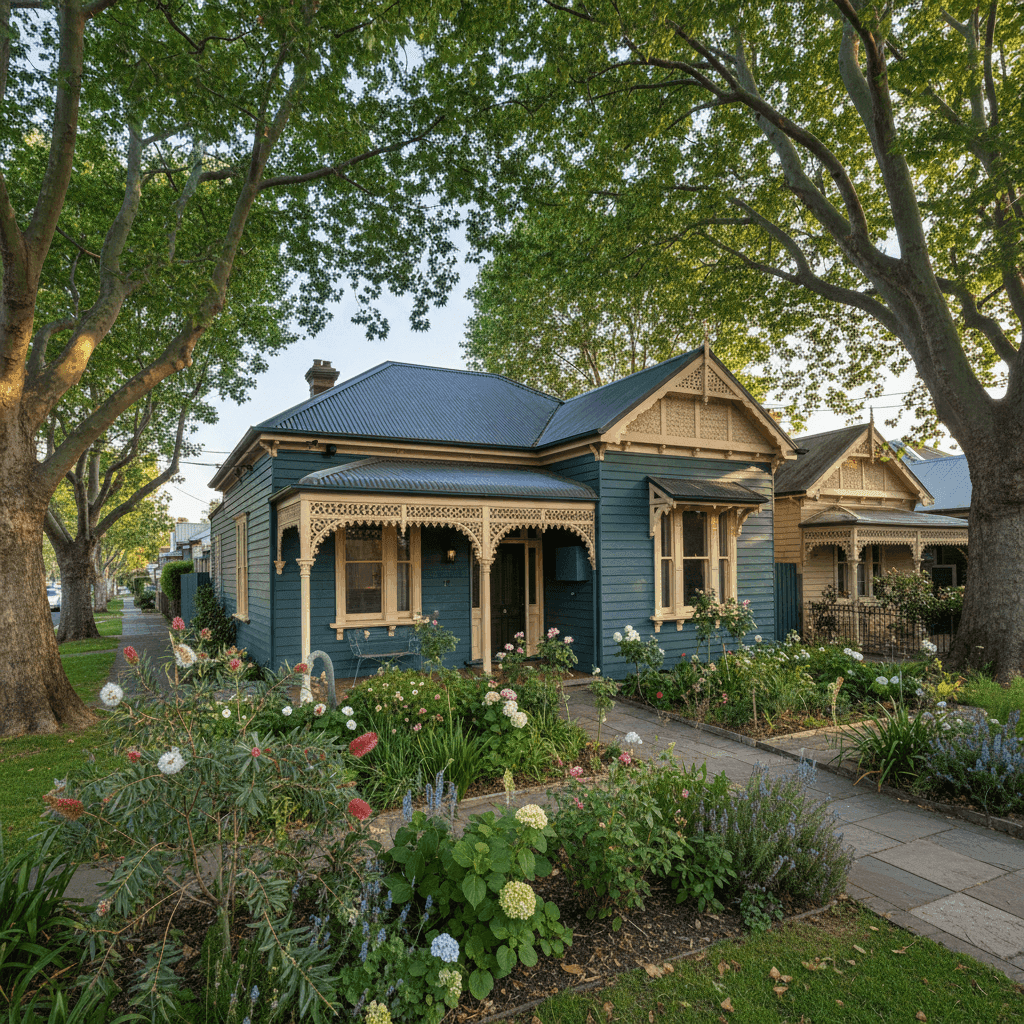
Brunswick is one of Melbourne's most beloved inner-north suburbs — a neighbourhood of character-filled streets, heritage architecture, and a community that takes pride in its homes. For owners of a four-bedroom, two-bathroom free standing home in Brunswick VIC 3056, understanding what drives your home insurance premium is just as important as knowing what your policy actually covers. In this article, we break down a real home and contents insurance quote for a property in this postcode, compare it against local, state, and national benchmarks, and offer practical tips to help you get better value on your cover.
---
Is This Quote Fair?
The quote in question comes in at $2,817 per year (or $270 per month) for combined home and contents insurance, with a building sum insured of $1,903,000 and contents valued at $50,000. Both the building and contents excess are set at $5,000.
Our price rating for this quote is Expensive (Above Average) — and the data backs that up.
Compared to the Brunswick suburb average of $1,987/year, this quote sits roughly 42% above what other Brunswick homeowners are paying. It also exceeds the suburb median of $2,006/year and pushes past the 75th percentile of $2,647/year, meaning it's more expensive than at least three-quarters of comparable quotes collected in this postcode.
That said, context matters enormously here. The building sum insured of $1,903,000 is a significant figure — well above what many comparable properties are insured for — and this alone will have a substantial upward effect on the premium. A higher replacement value means greater exposure for the insurer, and that cost is passed on in the price.
The $5,000 excess on both building and contents is on the higher end of the spectrum. While a higher excess generally reduces your premium, it also means you'll be covering more out of pocket in the event of a claim. It's worth asking whether this trade-off suits your financial situation.
---
How Brunswick Compares
Zooming out from the suburb level, this quote tells an interesting story when placed alongside broader benchmarks.
| Benchmark | Annual Premium |
|---|---|
| This Quote | $2,817 |
| Brunswick Suburb Average | $1,987 |
| Brunswick Suburb Median | $2,006 |
| Moreland LGA Average | $1,551 |
| VIC State Average | $3,000 |
| VIC State Median | $2,718 |
| National Average | $5,347 |
| National Median | $2,764 |
Interestingly, while this quote is above average for Brunswick specifically, it actually sits below the Victorian state average of $3,000/year and is broadly in line with the national median of $2,764/year. This suggests that on a state and national scale, the quote isn't wildly out of step — the Brunswick suburb average is simply quite competitive relative to the rest of Victoria.
You can explore how Victoria compares to other states or dive into national home insurance trends to get a broader picture of where premiums are heading across Australia.
The Moreland LGA average of just $1,551/year is notably lower than the Brunswick suburb average, which may reflect a mix of property types and values across the broader local government area. Brunswick's heritage homes and higher land values likely push its suburb-level figures upward compared to surrounding areas.
---
Property Features That Affect Your Premium
Several characteristics of this property have a direct bearing on what insurers charge — and understanding them can help you have more informed conversations when shopping for cover.
Age and construction (built 1890, weatherboard timber walls) This is perhaps the single biggest risk factor for this property. Victorian-era homes built in the 1880s and 1890s are cherished for their character, but they present real challenges for insurers. Weatherboard timber construction is more susceptible to fire, rot, and pest damage than brick or rendered masonry. Older homes also tend to have ageing electrical wiring, plumbing, and structural elements that may not meet modern building standards — all of which increase the likelihood and cost of claims.
Stump foundation Homes on stumps (also known as timber or concrete pier foundations) are common in Melbourne's inner suburbs and carry their own set of risks. Stumps can deteriorate over time, and subsidence or movement can lead to costly structural repairs. Insurers factor this in when assessing risk.
Steel/Colorbond roof On the positive side, a Colorbond steel roof is a genuine asset when it comes to insurance. It's durable, fire-resistant, and low-maintenance compared to older terracotta tiles or corrugated iron. This feature likely works in the homeowner's favour when premiums are calculated.
Timber and laminate flooring Timber floors add to the home's heritage appeal but can be expensive to repair or replace following water damage or fire. Given the home's age, original floorboards are likely throughout much of the property.
Top-of-the-range fittings With premium fittings throughout, the cost to rebuild or repair this home to its current standard would be substantial. This is a key driver of the high building sum insured of $1,903,000 — and consequently, the higher premium.
Ducted climate control Ducted heating and cooling systems add value and comfort, but they also represent a significant asset that needs to be covered. These systems can be expensive to repair or replace, which is reflected in the overall insured value.
Building size: 244 sqm At 244 square metres, this is a generous footprint for an inner-Melbourne home. Larger homes cost more to rebuild, which again supports the higher sum insured and the resulting premium.
---
Tips for Homeowners in Brunswick
If you own a heritage property in Brunswick and want to make sure you're getting fair value on your insurance, here are some practical steps worth taking.
1. Review your sum insured carefully A building sum insured of $1,903,000 is significant. Make sure this figure reflects the actual cost to rebuild your home — not its market value. Overcooking the sum insured will inflate your premium unnecessarily, while underinsuring leaves you exposed. Consider using a qualified quantity surveyor to get an accurate rebuild estimate.
2. Shop around — especially for heritage homes Not all insurers price weatherboard and heritage homes the same way. Some specialise in older properties and may offer more competitive rates. Use a comparison platform like CoverClub to see multiple quotes side by side before committing.
3. Consider your excess level A $5,000 excess is high. If you have the financial buffer to absorb a large out-of-pocket cost in a claim scenario, this can keep premiums lower. But if a $5,000 outlay would cause financial strain, it may be worth paying a slightly higher premium in exchange for a lower excess.
4. Maintain your property proactively Insurers look favourably on well-maintained homes. For a Victorian-era weatherboard property, this means keeping on top of timber maintenance, checking stumps periodically for deterioration, and ensuring your electrical system has been updated to modern standards. Documented maintenance can also support your case if you ever need to make a claim.
---
Compare Your Quote with CoverClub
Whether you're renewing your existing policy or shopping for cover for the first time, it pays to compare. Brunswick's insurance market has a wide spread of premiums — from $1,256/year at the 25th percentile to $2,647/year at the 75th percentile — which means there's real money to be saved by doing your homework. Get a home insurance quote through CoverClub and see how your current premium stacks up against the market. You can also explore detailed Brunswick suburb insurance statistics to better understand what your neighbours are paying.