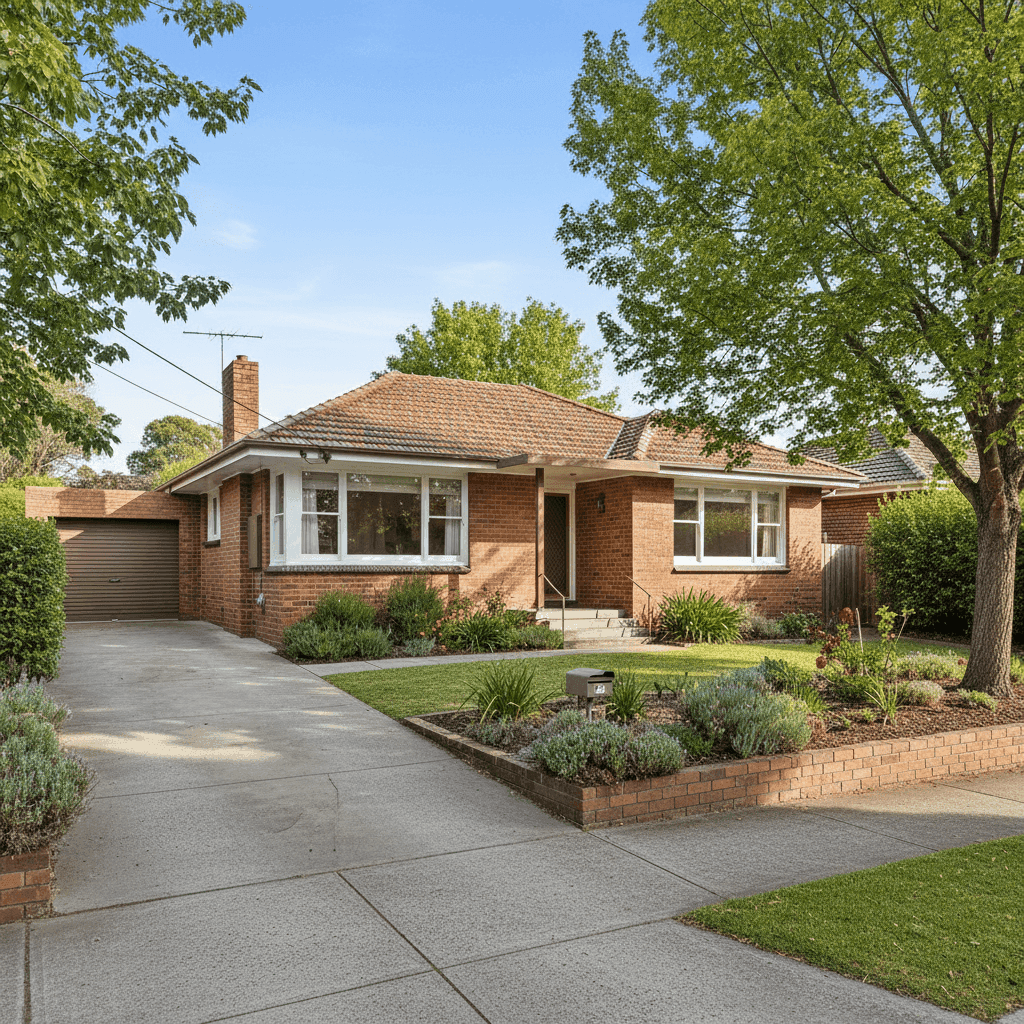
Bulleen is a well-established suburb in Melbourne's north-east, sitting within the City of Manningham and known for its leafy streets, proximity to the Yarra River, and a solid mix of mid-century and contemporary homes. For owners of a free standing brick veneer home in this area, understanding what a fair home insurance premium looks like — and what's driving that cost — can make a real difference at renewal time.
This article breaks down a recent home and contents insurance quote for a 4-bedroom, 2-bathroom free standing home in Bulleen (postcode 3105), comparing it against local, state, and national benchmarks to help you make a more informed decision.
---
Is This Quote Fair?
The quote in question comes in at $1,364 per year (or $141/month) for combined home and contents cover, with a building sum insured of $694,000 and contents valued at $104,000. The building excess is set at $3,000, and the contents excess at $1,000.
Our pricing model rates this quote as CHEAP — below average for the area. That's a meaningful finding. Based on 28 quotes collected for Bulleen (postcode 3105), the suburb average sits at $2,110/year and the median at $1,929/year. This quote comes in well below even the 25th percentile of $1,618 — meaning it's cheaper than at least 75% of comparable quotes in the suburb.
In plain terms: if this quote was sitting in front of you at renewal, it would be worth taking seriously. Premiums this far below the local average don't always reflect inferior cover — they can simply be the result of competitive insurer pricing, favourable property characteristics, or a well-structured excess arrangement.
That said, it's always worth reading the Product Disclosure Statement (PDS) carefully to confirm what's included and excluded, particularly around events like storm, escape of liquid, and accidental damage.
---
How Bulleen Compares
Zooming out from the suburb level paints an even more striking picture.
| Benchmark | Premium |
|---|---|
| This quote | $1,364/yr |
| Bulleen suburb average | $2,110/yr |
| Bulleen suburb median | $1,929/yr |
| Manningham LGA average | $2,021/yr |
| Victoria state average | $3,000/yr |
| Victoria state median | $2,718/yr |
| National average | $5,347/yr |
| National median | $2,764/yr |
Compared to the Victorian state average of $3,000/year, this quote is 55% cheaper. Against the national average of $5,347/year, the gap is even more dramatic — though it's worth noting that the national average is heavily skewed by high-risk regions in Queensland and Western Australia, where cyclone, flood, and bushfire exposure push premiums significantly higher.
The more meaningful comparison for Bulleen homeowners is the state median of $2,718/year or the suburb median of $1,929/year. Even against the suburb median, this quote represents a saving of over $560 annually — not insignificant over a 5-year ownership horizon.
Bulleen itself is a relatively low-risk suburb by Victorian standards. It's not in a designated cyclone risk zone, faces limited bushfire exposure compared to Melbourne's outer fringe, and sits in a part of Manningham that generally benefits from established infrastructure and lower claims frequency. These factors collectively help keep local premiums more manageable than many other parts of the country.
---
Property Features That Affect Your Premium
Several characteristics of this particular property work in the homeowner's favour from an insurance pricing perspective.
Brick veneer construction is generally well-regarded by insurers. It offers solid fire resistance and structural durability, which typically translates to lower rebuild risk compared to weatherboard or lightweight cladding. Combined with a tiled roof, the property presents a relatively conventional risk profile — tiles are durable, widely understood by assessors, and less prone to storm damage than some alternative roofing materials.
The slab foundation is another neutral-to-positive factor. Slab homes in established Melbourne suburbs tend to have predictable structural behaviour, and without a subfloor cavity, there's less risk of pest-related structural damage.
The home was built in 1975, which places it in a period of solid but standard residential construction. Homes of this era can sometimes carry higher rebuild costs due to the need to meet current building codes during reconstruction, but at 235 sqm, the $694,000 building sum insured appears appropriately calibrated for a 4-bedroom home of this size and age in metropolitan Melbourne.
Timber and laminate flooring is worth noting for contents and building cover — these materials can be costly to replace or repair after water damage events, so it's worth confirming your policy covers escape of liquid (e.g., burst pipes or overflowing appliances) as a standard inclusion.
The presence of ducted climate control adds to the replacement value of the home's fixtures and fittings, and is correctly factored into the building sum insured. The absence of a pool and solar panels simplifies the risk profile and removes two common sources of claims and premium loading.
---
Tips for Homeowners in Bulleen
1. Review your building sum insured regularly Construction costs in Melbourne have risen substantially in recent years. A sum insured set even two or three years ago may no longer reflect the true cost of rebuilding your home to current standards. Use a building cost calculator or speak with a quantity surveyor to sense-check your coverage amount annually.
2. Don't default to your current insurer at renewal Even if your current premium seems reasonable, the insurance market shifts every year. Comparing quotes across multiple insurers — including through platforms like CoverClub — takes minutes and can surface savings of hundreds of dollars without any reduction in cover quality.
3. Consider your excess structure carefully This quote carries a $3,000 building excess. A higher excess typically lowers your premium, but it also means a larger out-of-pocket cost when you make a claim. Make sure the excess level you choose reflects what you could comfortably cover in the event of a mid-sized claim, such as storm damage or a burst pipe.
4. Check for inclusions relevant to older homes A 1975-era home may have original plumbing, wiring, or roofing components that are more susceptible to gradual deterioration. Some insurers exclude damage arising from lack of maintenance or wear and tear — reviewing these exclusions before you buy is essential, not optional.
---
Compare Your Own Quote
Whether you're renewing soon or just curious about where your current premium sits, CoverClub makes it easy to benchmark your home insurance costs against real data from your suburb and beyond. Get a quote or compare your current premium at CoverClub — it only takes a few minutes, and you might be surprised by what you find.