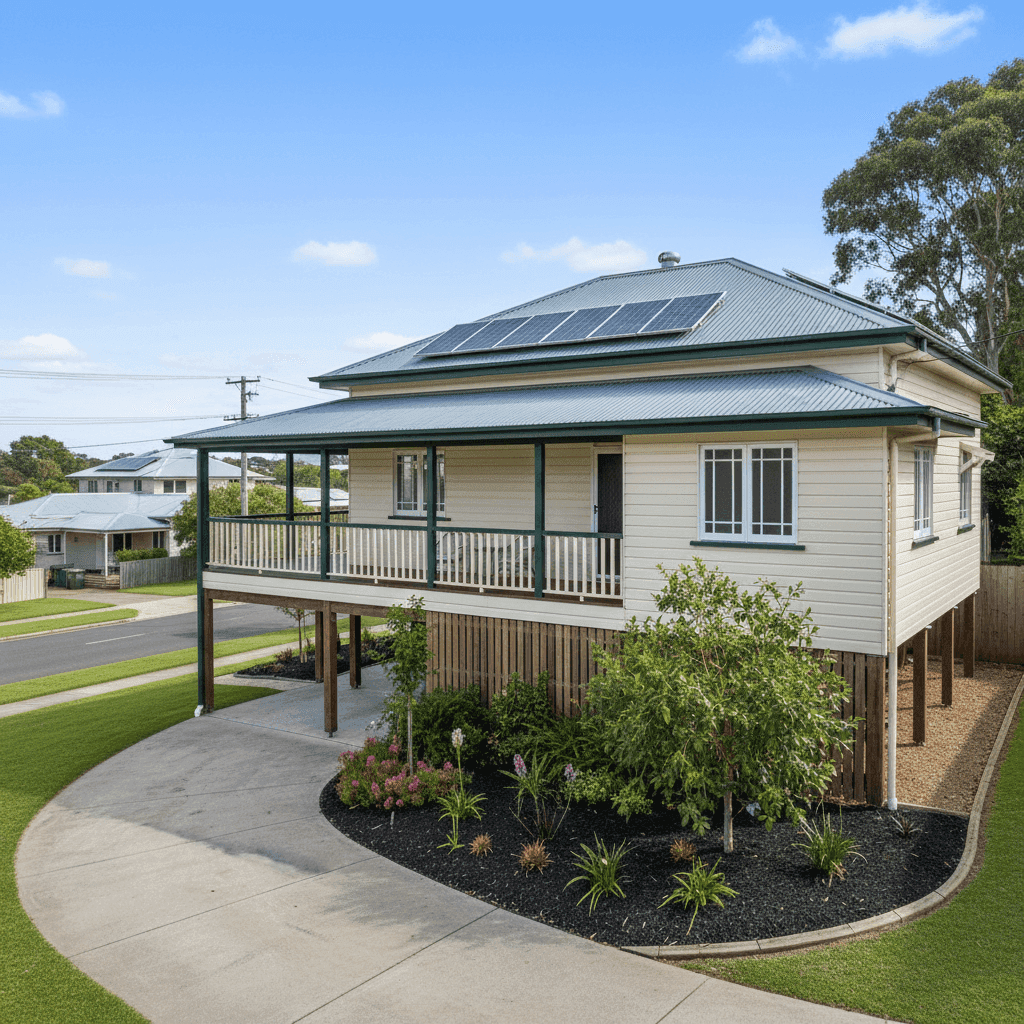
If you own a free standing home in Bundaberg East, QLD 4670, you already know that insurance costs in regional Queensland can be a moving target. Premiums vary wildly depending on your property's age, construction materials, and location — and the Bundaberg region is no exception. This article takes a close look at a real building insurance quote for a 3-bedroom, 1-bathroom home in Bundaberg East, unpacking what the numbers mean and how they stack up against local, state, and national benchmarks.
---
Is This Quote Fair?
The quote in question comes in at $2,779 per year (or $249/month) for building-only cover on a free standing home with a sum insured of $447,000 and a $1,000 building excess. Our analysis rates this as CHEAP — below average for the area.
That's a meaningful finding. Bundaberg East sits in a part of Queensland that has historically attracted elevated insurance premiums due to flood exposure, storm risk, and the broader challenges facing the North Queensland and Wide Bay insurance markets. Landing a quote well below the suburb average is genuinely good news for this homeowner.
To put it plainly: at $2,779 per year, this quote is significantly more affordable than what most comparable homes in the same postcode are paying. It's worth understanding why — and making sure the cover itself is adequate before simply accepting the lowest number on the page.
---
How Bundaberg East Compares
The pricing context here is striking. According to CoverClub's suburb data for Bundaberg East (4670), based on a sample of 16 quotes:
| Benchmark | Annual Premium |
|---|---|
| This quote | $2,779 |
| Suburb 25th percentile | $4,030 |
| Suburb median | $5,105 |
| Suburb average | $6,847 |
| Suburb 75th percentile | $6,894 |
This quote sits below the suburb's 25th percentile, meaning it's cheaper than at least 75% of quotes collected in the area. That's a strong result.
Zooming out to the state level, Queensland's home insurance data tells an interesting story. The QLD average premium is a hefty $9,129/year — one of the highest in the country — though the state median sits at $3,903/year, reflecting how a relatively small number of very high-risk properties can skew the average upward. This quote beats the QLD median too.
At the national level, the average home insurance premium is $5,347/year and the median is $2,764/year. This quote is just slightly above the national median, which is a reasonable outcome for a regional Queensland property that could easily attract far higher premiums.
The gap between the suburb average ($6,847) and this quote ($2,779) is over $4,000 per year — a substantial saving that highlights just how much premiums can vary even within a single postcode.
---
Property Features That Affect Your Premium
Several characteristics of this particular property are worth examining through an insurance lens.
Weatherboard timber construction (1954) is one of the most significant factors. Older timber homes are generally considered higher risk by insurers — they're more susceptible to fire, can be harder to repair with matching materials, and may have ageing electrical or plumbing systems. That said, a well-maintained weatherboard home can still attract competitive premiums, particularly if it has been updated over the years.
Steel/Colorbond roofing is a positive from an insurer's perspective. Colorbond is durable, low-maintenance, and performs well in the high-wind and storm conditions common to coastal Queensland. It's generally viewed more favourably than older roofing materials like fibrous cement or terracotta tiles.
Stump foundations are common in Queensland, especially in older homes, and are well-suited to the local climate — they allow airflow beneath the home and can provide some protection against minor flooding. However, stumps can be a cost consideration if they require replacement or restumping, which insurers may factor into rebuild estimates.
Solar panels are present on this property. Most standard building policies cover solar panels as part of the building structure, but it's worth confirming this with your insurer. Panels add replacement value to the home, which should be reflected in the sum insured.
No pool, no ducted climate control, and no cyclone risk rating all work in the homeowner's favour. Pools add liability and maintenance considerations, ducted systems are expensive to replace, and cyclone-rated areas in Queensland can attract significant premium loadings. Being outside a designated cyclone risk zone is a meaningful advantage for Bundaberg East properties.
Standard fittings quality keeps the rebuild cost estimate grounded. High-end finishes and custom fixtures can push the sum insured — and therefore the premium — considerably higher.
---
Tips for Homeowners in Bundaberg East
1. Double-check your sum insured reflects current rebuild costs Construction costs have risen sharply in recent years. A sum insured of $447,000 for a 160 sqm home works out to roughly $2,794 per square metre — which is within a reasonable range for a standard home, but worth reviewing annually. Underinsurance is a real risk; if your home is destroyed and the rebuild cost exceeds your sum insured, you'll be out of pocket for the difference.
2. Confirm solar panel coverage in your policy documents Solar systems can cost $8,000–$20,000 or more to replace. Check whether your policy covers panels for storm damage, hail, and accidental breakage — and whether there are any sub-limits that might leave you exposed.
3. Shop the market at renewal time This quote is already competitively priced, but premiums can shift significantly from year to year. Insurers adjust their risk models, and loyalty doesn't always pay. Use a comparison tool like CoverClub at each renewal to make sure you're still getting a fair deal.
4. Consider flood and storm surge cover carefully Bundaberg has experienced significant flood events historically. Review your policy's flood definition closely — some policies distinguish between riverine flooding, storm surge, and rainwater runoff, and may exclude certain types. If your property has any flood exposure, make sure your cover is explicit about what's included.
---
Compare Your Own Quote
Whether you're renewing or shopping for the first time, it pays to see the full picture. CoverClub aggregates real quote data from across Australia so you can see exactly how your premium stacks up against your neighbours. Get a building insurance quote for your Bundaberg East home today and find out if you're paying a fair price — or leaving money on the table.