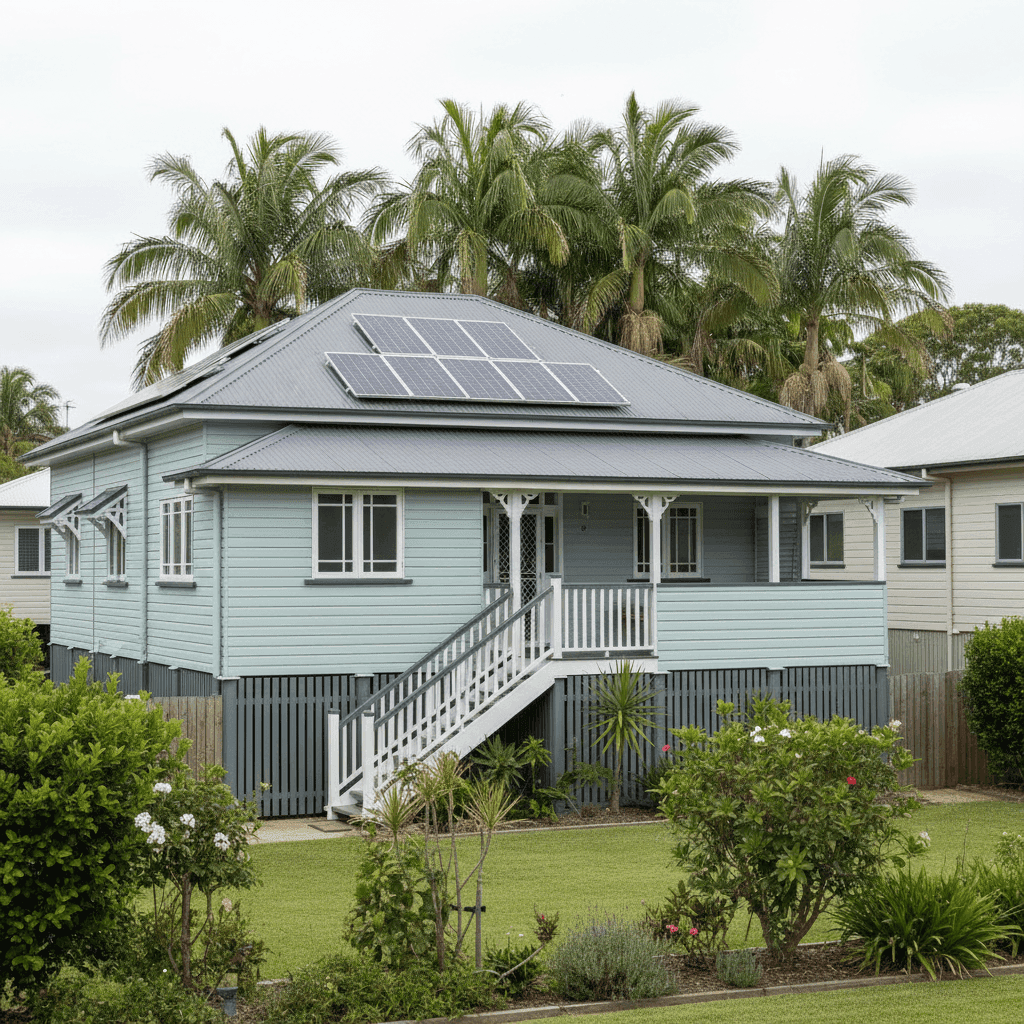
If you own a free standing home in Bundaberg North, QLD 4670, you already know that insuring an older Queensland property comes with its share of surprises — and not always pleasant ones. This article breaks down a real home and contents insurance quote for a 2-bedroom weatherboard home in the suburb, compares it against local, state, and national benchmarks, and explains exactly what's driving the price. Whether you're shopping around or simply trying to make sense of your renewal notice, read on.
---
Is This Quote Fair?
The quote in question sits at $14,345 per year (or $1,375/month) for combined home and contents cover, with a building sum insured of $300,000 and contents valued at $50,000. The building excess is $2,000 and the contents excess is $1,000.
Our price rating for this quote is Expensive — above average for the area.
To put that in perspective: the average home and contents premium across Bundaberg North currently sits at $4,903 per year, with a median of $4,520. This quote is roughly 2.9 times the suburb average — a significant gap that warrants a closer look.
That said, it's worth noting that Queensland as a whole is an expensive state to insure property in. The QLD state average premium is $9,129 per year (though the median is considerably lower at $3,903, suggesting a wide spread driven by high-risk properties). Even against the state average, this quote runs about 57% higher. Against the national average of $5,347, it's nearly 2.7 times more expensive.
So while Queensland premiums are broadly elevated, this particular quote stands out even within that context. The property's specific characteristics — explored below — go a long way towards explaining why.
---
How Bundaberg North Compares
Here's a snapshot of how premiums stack up across different benchmarks:
| Benchmark | Average Premium | Median Premium |
|---|---|---|
| Bundaberg North (4670) | $4,903/yr | $4,520/yr |
| Queensland | $9,129/yr | $3,903/yr |
| National | $5,347/yr | $2,764/yr |
A few things stand out in this data. The large gap between Queensland's average ($9,129) and its median ($3,903) tells us that a relatively small number of very high-risk — and therefore very expensive — properties are pulling the state average upward. Bundaberg North's own average of $4,903 is actually below the QLD state average, which suggests the suburb sits in a moderate-risk zone by Queensland standards.
You can explore the full breakdown of premiums for this postcode at the Bundaberg North suburb stats page, where the 25th percentile sits at $3,690 and the 75th percentile reaches $6,369 — based on a sample of 24 quotes. This quote, at $14,345, sits well above even the 75th percentile, firmly in outlier territory for this suburb.
---
Property Features That Affect Your Premium
Several characteristics of this property are likely contributing to the elevated premium. Understanding them helps you have a more informed conversation with insurers.
Age and Construction (Built 1960, Weatherboard Walls)
At over 60 years old, this home falls into a category that insurers treat with caution. Older homes often have aging electrical wiring, plumbing, and structural elements that increase the likelihood of a claim. Weatherboard (timber) external walls are also considered higher risk than brick or rendered masonry — they're more susceptible to fire, termite damage, and general wear. Many insurers apply loading to timber-clad homes, particularly older ones.
Roof Type: Steel/Colorbond
Colorbond roofing is generally viewed favourably — it's durable, low-maintenance, and performs well in storms. However, on an older home it may be a replacement rather than original, and insurers will factor in the overall condition of the structure rather than the roof in isolation.
Stumps Foundation
Homes on stumps (or timber piers) are a classic Queensland design, but they introduce specific risks: subfloor moisture, termite access, and potential for movement or subsidence. Some insurers apply a premium loading for stump foundations, particularly in combination with timber wall cladding.
Elevated Less Than 1 Metre
While elevation can help with flood resilience, a sub-1-metre elevation provides only modest protection. It may not be sufficient to qualify for significant flood risk discounts with some insurers.
Solar Panels and Ducted Climate Control
These are positive additions to the property's value and liveability, but they do increase the replacement cost of the building. Solar panels in particular add to the sum insured calculation and can attract a small premium loading.
Building Size: 105 sqm
At 105 square metres, this is a modest-sized home. A $300,000 building sum insured equates to roughly $2,857 per square metre — which is within a plausible rebuild cost range for a timber home with standard fittings in regional Queensland, though it's worth reviewing whether this figure is accurate for your specific property.
---
Tips for Homeowners in Bundaberg North
If your premium is coming in at the higher end, there are practical steps you can take to reduce it — or at least ensure you're getting genuine value.
1. Shop Around With a Broker or Comparison Tool
The single most effective thing you can do is compare multiple quotes. Premiums for identical properties can vary dramatically between insurers. Use CoverClub to compare quotes and see what the market is actually offering for your property.
2. Review Your Sum Insured
Make sure your building sum insured reflects the actual cost to rebuild — not the market value of the property. Overinsuring means you're paying unnecessary premium. Tools like the Cordell Sum Sure calculator can help you estimate a realistic rebuild figure for a weatherboard home of this size in regional Queensland.
3. Consider Increasing Your Excess
Raising your excess from $2,000 to $3,000 or higher can meaningfully reduce your annual premium. This strategy works best if you have the savings to cover a larger out-of-pocket cost in the event of a claim, and if you're primarily insuring against major events rather than minor repairs.
4. Maintain the Property Proactively
Insurers reward lower-risk properties. Keeping your stumps inspected and treated for termites, maintaining the roof, and updating aging electrical systems can all reduce the likelihood of a claim — and may support a better risk profile when you next apply for cover.
---
Ready to Compare?
A premium of $14,345 is a significant annual expense, and it's worth making sure you're not overpaying. At CoverClub, we make it easy to compare home and contents insurance quotes for properties across Bundaberg North and the rest of Australia. Get a quote today and see how much you could save — it only takes a few minutes.