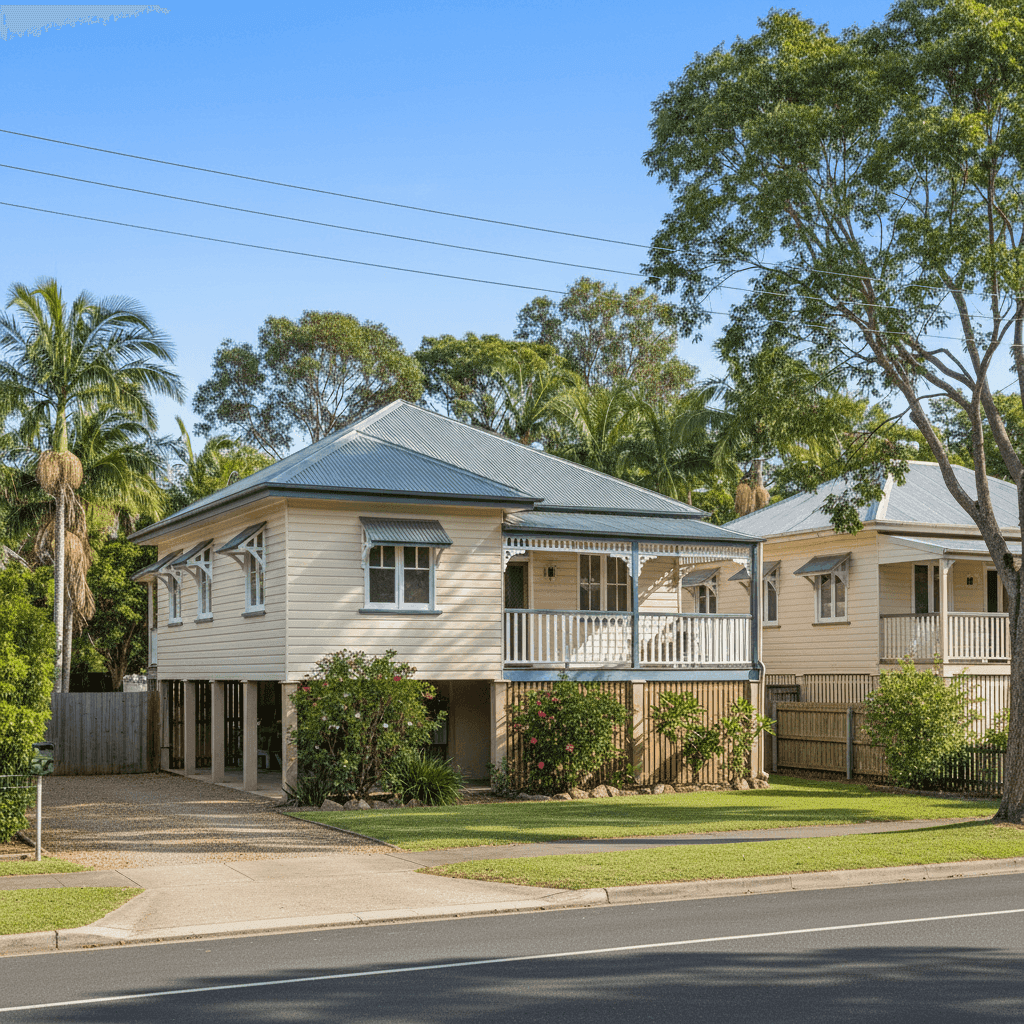
If you own a free standing home in Bundaberg North, QLD 4670, you've probably noticed that home insurance isn't cheap. This article breaks down a real insurance quote for a three-bedroom, two-bathroom weatherboard home in the suburb, compares it against local, state, and national benchmarks, and offers practical advice for keeping your premiums in check.
---
Is This Quote Fair?
The quote in question sits at $16,443 per year (or $1,576 per month) for combined Home and Contents cover, with a building sum insured of $350,000 and contents valued at $30,000. The building excess is $2,000 and the contents excess is $1,000.
Our price rating for this quote is Expensive — above average for the Bundaberg North area.
To put that in perspective: the suburb average annual premium is $4,903, and the median sits at $4,520. This quote comes in at more than three times the local average, which is a significant gap that warrants a closer look. Even when measured against the 75th percentile of local quotes ($6,369/yr), this premium is still roughly 2.6 times higher — meaning it's well above what most homeowners in the area are paying.
That said, premium pricing is rarely arbitrary. A number of property-specific factors — including construction materials, age, foundation type, and sum insured — can push a quote well beyond the suburb average. We'll explore those shortly.
---
How Bundaberg North Compares
Understanding where your suburb sits in the broader insurance landscape is essential context for evaluating any quote. Here's how Bundaberg North's insurance data stacks up:
| Benchmark | Annual Premium |
|---|---|
| This Quote | $16,443 |
| Bundaberg North Average | $4,903 |
| Bundaberg North Median | $4,520 |
| Bundaberg North 25th Percentile | $3,690 |
| Bundaberg North 75th Percentile | $6,369 |
| QLD State Average | $9,129 |
| QLD State Median | $3,903 |
| National Average | $5,347 |
| National Median | $2,764 |
A few things stand out here. Queensland's state average of $9,129 is notably higher than the national average of $5,347 — a reflection of the elevated natural hazard risk across much of the state, including flooding, severe storms, and cyclones in certain regions. Interestingly, the QLD median of $3,903 is much lower than the state average, which tells us that a smaller number of very high premiums are pulling the average up — a pattern this quote contributes to.
Bundaberg North's local average of $4,903 is relatively modest compared to the broader QLD average, suggesting the suburb itself isn't among the state's highest-risk postcodes. The sample size of 24 quotes gives us a reasonable snapshot, though it's worth noting that individual property characteristics can cause significant variation within any suburb.
---
Property Features That Affect Your Premium
Several characteristics of this particular property are likely contributing to its elevated premium:
Weatherboard Timber Walls
Weatherboard wood is one of the construction types that insurers treat with greater caution. Timber is more susceptible to fire, termite damage, and general deterioration over time compared to brick or rendered concrete. This typically results in a higher premium, regardless of the property's condition.
Stump Foundation
Homes built on stumps — common in Queensland, particularly in older builds — present unique risk considerations. Stumps can shift, rot, or be affected by moisture, and insurers factor this into their risk modelling. It also affects how the home responds to flood events, though it can sometimes be a mitigating factor if the home sits above flood level.
Construction Year: 1975
At approximately 50 years old, this home falls into a category that many insurers view as higher risk. Older homes may have ageing electrical wiring, plumbing, and structural elements that don't meet current building standards. Insurers often price this risk into the premium.
Steel/Colorbond Roof
On a more positive note, a Colorbond steel roof is generally viewed favourably by insurers. It's durable, fire-resistant, and performs well in high-wind events. This may help offset some of the risk associated with the timber walls and older construction.
Ducted Climate Control
The presence of ducted climate control adds to the replacement value of the home's fixtures and fittings, which can influence the building sum insured and, consequently, the premium.
Building Sum Insured: $350,000
The sum insured of $350,000 for a 139 sqm home works out to roughly $2,518 per square metre — which is within a reasonable range for full rebuild costs in regional Queensland, especially given the age and construction type. However, the higher the sum insured, the higher the premium, so it's worth ensuring this figure is accurate rather than over-estimated.
---
Tips for Homeowners in Bundaberg North
If your home insurance premium feels uncomfortably high, here are some practical steps worth considering:
1. Shop Around and Compare Multiple Quotes
This is the single most effective thing you can do. Insurance pricing varies enormously between providers, even for identical properties. A quote that's $16,000 with one insurer could be significantly less with another. Use a comparison platform like CoverClub to see a range of options side by side.
2. Review Your Sum Insured Carefully
Make sure your building sum insured reflects the actual cost to rebuild your home — not its market value, and not an inflated estimate. Overinsuring drives up your premium without providing any additional benefit. Consider getting a professional building valuation to land on an accurate figure.
3. Increase Your Excess Strategically
Opting for a higher excess (say, $2,500 or $3,000 instead of $2,000) can meaningfully reduce your annual premium. Just make sure you could comfortably cover that amount out of pocket if you needed to make a claim.
4. Ask About Discounts for Home Improvements
Some insurers offer reduced premiums for homes with updated electrical systems, modern plumbing, or security upgrades. If you've made improvements to this older home, it's worth asking your insurer whether these qualify for any discount. Replacing ageing wiring or re-stumping with concrete stumps could also reduce your risk profile over time.
---
Ready to Find a Better Deal?
A premium of $16,443 per year is a significant household expense — and it's always worth making sure you're not paying more than you need to. Whether you're renewing your current policy or shopping around for the first time, CoverClub makes it easy to compare home and contents insurance quotes tailored to your property.
Get a quote for your Bundaberg North home today and see how much you could save. You can also explore suburb-level insurance data for Bundaberg North or browse Queensland-wide premium statistics to better understand the market before you commit.