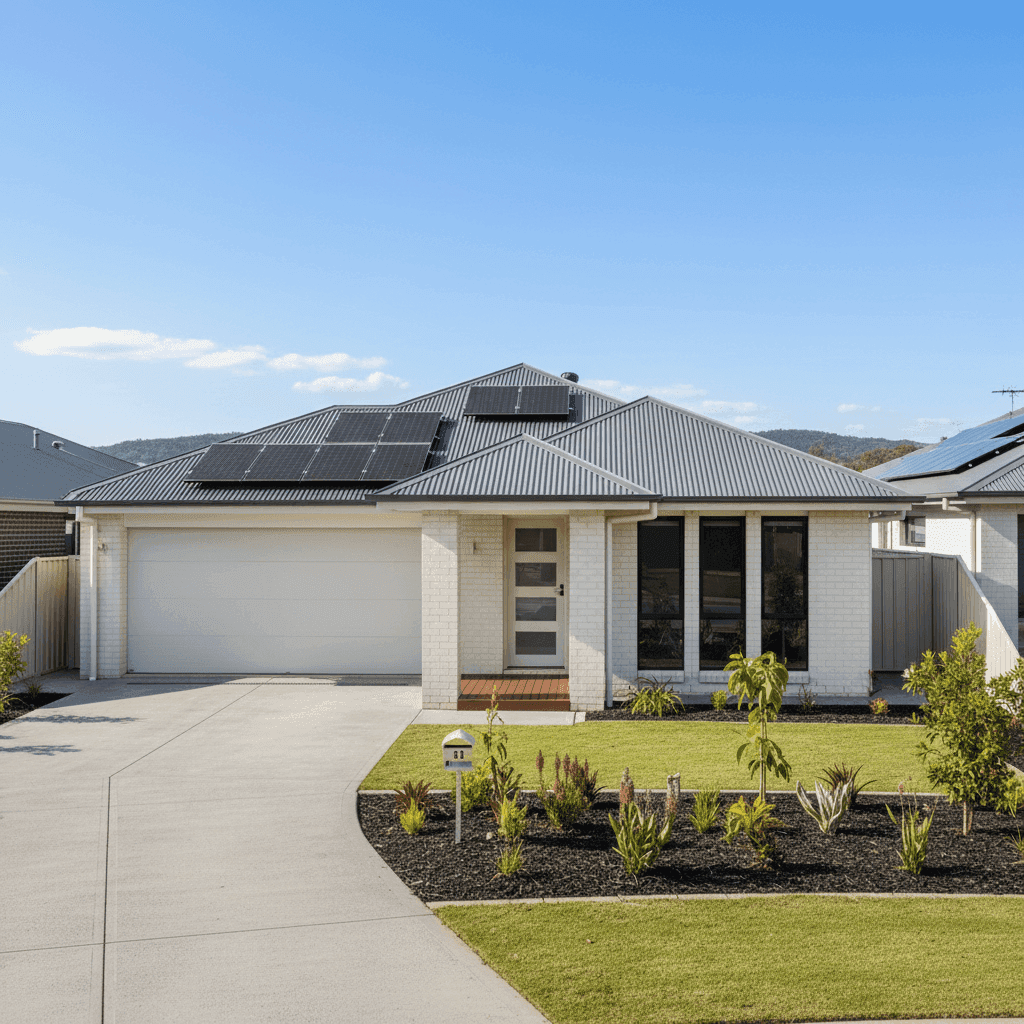
If you own a free standing home in Burdell, QLD 4818, you already know that finding affordable home insurance in North Queensland is no small feat. Sitting in the outer northern suburbs of Townsville, Burdell is a relatively modern residential area — but its proximity to the tropics means cyclone risk is a very real factor in what insurers charge. This article breaks down a real home and contents insurance quote for a four-bedroom property in the suburb, compares it against local, state, and national benchmarks, and offers practical advice for getting the best value cover.
---
Is This Quote Fair?
The quote in question comes to $3,738 per year (or $365 per month) for combined home and contents cover, with a building sum insured of $666,000 and contents valued at $25,000. Both the building and contents excess are set at $1,000.
Our price rating for this quote is CHEAP — below average for the Burdell area. That's genuinely good news for the homeowner. The suburb average for Burdell sits at $4,812 per year, meaning this quote comes in roughly $1,074 below what most comparable properties in the postcode are paying. Even against the suburb's 25th percentile — the cheapest quarter of quotes — of $4,333 per year, this premium still undercuts the field.
In short: if you've received a quote in this range for a Burdell property, it represents strong value relative to the local market.
---
How Burdell Compares
To truly appreciate this quote, it helps to zoom out and look at the broader pricing landscape.
| Benchmark | Annual Premium |
|---|---|
| This Quote | $3,738 |
| Burdell Suburb Average | $4,812 |
| Burdell Suburb Median | $4,810 |
| Townsville LGA Average | $7,340 |
| QLD State Average | $9,129 |
| QLD State Median | $3,903 |
| National Average | $5,347 |
| National Median | $2,764 |
(Based on CoverClub quote data. [View full QLD stats](https://coverclub.com.au/stats/QLD) or [national stats](https://coverclub.com.au/stats/national).)
A few things stand out here. The QLD state average of $9,129 is extraordinarily high — a reflection of the significant number of high-risk properties across Queensland, particularly in cyclone-prone coastal and far-north regions. The state median of $3,903 is a far more representative figure for typical Queensland homeowners, and this quote sits just slightly above that median.
Compared to the Townsville LGA average of $7,340, this quote is remarkably competitive — nearly half the price. That said, LGA averages can be skewed by particularly high-risk or high-value properties in the broader Townsville area, so the suburb-level data is more meaningful for a Burdell homeowner.
Against the national average of $5,347, this quote is also well below par, though it does exceed the national median of $2,764 — which reflects the reality that insuring a home in a cyclone risk zone will always carry a premium loading compared to properties in lower-risk states like Victoria or the ACT.
---
Property Features That Affect Your Premium
Several characteristics of this property directly influence the cost of cover. Understanding them helps explain both why the premium is what it is — and why it could have been higher.
Cyclone Risk Zone This is the single biggest factor. Burdell falls within a designated cyclone risk area, and insurers price this in heavily. Cyclone cover in North Queensland can add hundreds — sometimes thousands — of dollars to an annual premium compared to equivalent homes in southern states. The relatively competitive quote here suggests the insurer has assessed the specific risk profile favourably.
Construction: Brick Veneer Walls & Colorbond Roof Brick veneer external walls are generally viewed positively by insurers — they offer solid structural integrity and reasonable resistance to wind and impact damage. The steel Colorbond roof is also a strong asset in cyclone-prone areas; it's purpose-designed for Australian conditions, resists corrosion, and performs well under high-wind events compared to older roofing materials like terracotta tiles.
Slab Foundation A concrete slab foundation is standard for modern Queensland homes and is generally considered low-risk from an insurance perspective. It's stable, resistant to flooding from below, and less susceptible to subsidence than older pier-and-beam constructions.
Solar Panels The property has solar panels installed, which do add a modest amount to the building sum insured — they need to be covered as part of the structure. However, their presence also signals a well-maintained, modern home, which insurers tend to view favourably.
Construction Year: 2007 At around 17–18 years old, this home sits in a sweet spot — modern enough to have been built to post-cyclone-revised building codes (which were significantly strengthened in Queensland following Cyclone Larry in 2006), yet old enough to have a clear claims history. Homes built to more recent cyclone standards often attract lower premiums.
Ducted Climate Control Ducted air conditioning systems are a contents/fixtures consideration and add to the overall replacement value of the home. They're factored into both the building sum insured and, depending on the policy, may have specific coverage conditions worth reviewing.
Property Size: 214 sqm At 214 square metres, this is a generously sized family home. Rebuild costs scale with floor area, so the $666,000 building sum insured — equating to roughly $3,112 per sqm — is a reasonable estimate for a brick veneer home in regional Queensland when factoring in demolition, professional fees, and current construction costs.
---
Tips for Homeowners in Burdell
1. Don't Underinsure Your Building With construction costs rising sharply across Australia in recent years, it's worth revisiting your building sum insured annually. A 214 sqm brick veneer home in Townsville could cost significantly more to rebuild today than it would have even three years ago. Underinsurance is one of the most common — and costly — mistakes homeowners make.
2. Review Your Contents Value Carefully A contents value of $25,000 is on the lower end for a four-bedroom home. Take the time to do a proper inventory of your furniture, appliances, electronics, clothing, and valuables. Many homeowners discover they're underinsured for contents when they actually sit down and add it up.
3. Understand Your Cyclone Excess Many insurers apply a separate, higher excess specifically for cyclone-related claims — often 1–2% of the sum insured, which on a $666,000 building could mean an excess of $6,660–$13,320. Make sure you understand what your policy says, and factor this into your financial planning.
4. Compare at Renewal Even if you're happy with your current premium, the home insurance market in Queensland is competitive and prices can shift significantly year to year. Using a comparison tool like CoverClub at renewal time takes only a few minutes and could reveal savings of hundreds of dollars — as this quote itself demonstrates.
---
Ready to See What You Could Pay?
Whether you're a Burdell local, a Townsville homeowner, or anywhere else in Queensland, it pays to compare. CoverClub makes it easy to get a home and contents insurance quote tailored to your property in minutes — no jargon, no pressure, just clear pricing. Get your quote today and see how your current premium stacks up.