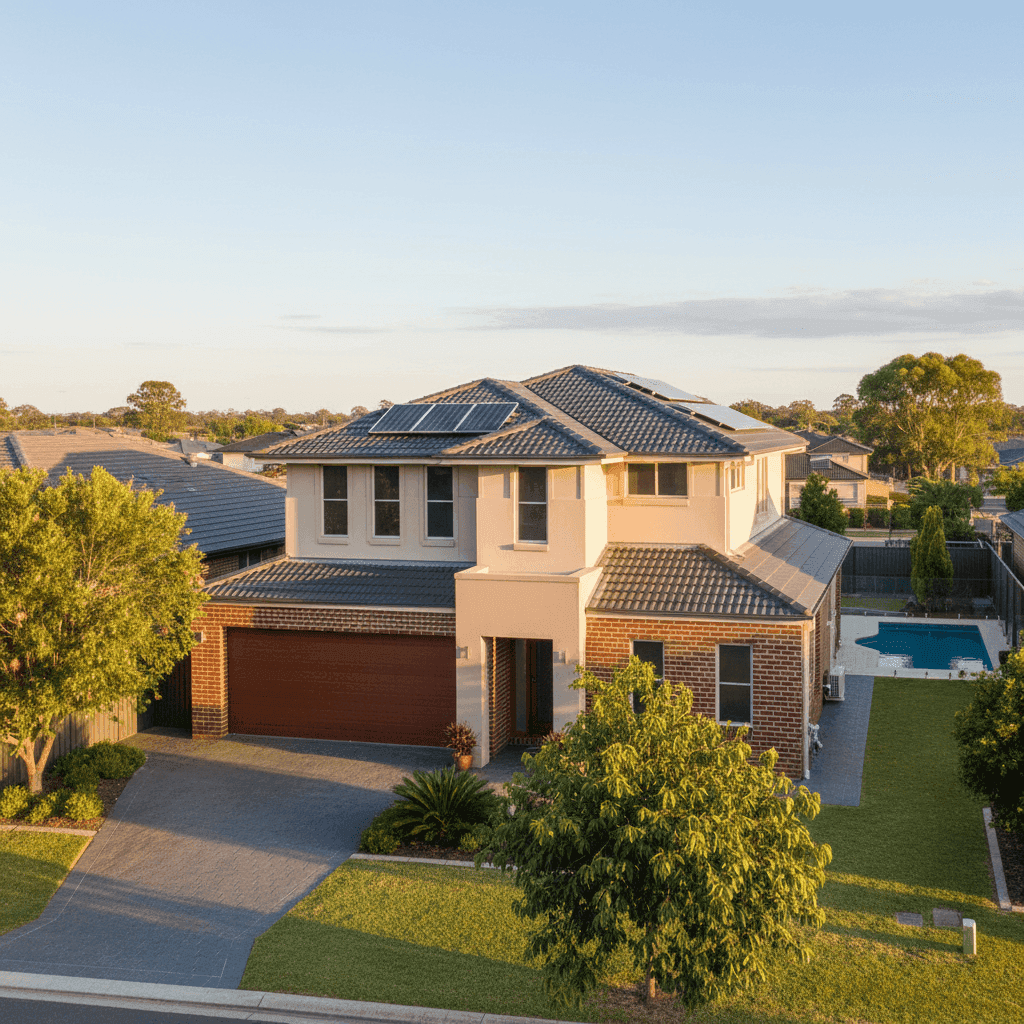
If you own a free standing home in Burleigh Waters, QLD 4220, you already know it's one of the Gold Coast's most sought-after suburbs — leafy streets, close to the beach, and a strong sense of community. But with desirability comes the question every homeowner eventually asks: am I paying the right amount for home insurance?
This article breaks down a real home and contents insurance quote for a four-bedroom, two-bathroom brick veneer home in Burleigh Waters, compares it against local and national benchmarks, and offers practical tips to help you get the best value cover.
---
Is This Quote Fair?
The annual premium for this property came in at $1,840 per year (or $185/month), covering a building sum insured of $854,000 and $50,000 in contents. Our pricing engine rates this as CHEAP — Below Average, which is genuinely good news for the homeowner.
To put that in perspective:
- The suburb average for Burleigh Waters is $4,059/yr, based on 47 quotes collected for postcode 4220
- The suburb median sits at $3,904/yr
- Even the 25th percentile — meaning only 25% of quotes were cheaper — comes in at $2,307/yr
At $1,840/yr, this quote sits below the cheapest quarter of premiums seen in the suburb. That's a meaningful saving. Compared to the suburb average, this homeowner is paying $2,219 less per year — money that could go toward a rainy-day fund, home improvements, or simply back in your pocket.
It's worth noting that the building excess is set at $3,000 and the contents excess at $1,000, which are on the higher side. A higher excess is one of the most common levers insurers use to bring premiums down, so it's important to weigh up the upfront saving against the out-of-pocket cost you'd face at claim time.
---
How Burleigh Waters Compares
Burleigh Waters sits within the City of Gold Coast LGA, which has one of the highest average premiums in the country at $5,494/yr. That's substantially above both the Queensland and national averages, reflecting the elevated risk profile of coastal South East Queensland — including storm surge exposure, flooding in low-lying pockets, and the general cost of rebuilding in a high-demand construction market.
Here's how the numbers stack up across geographies:
| Benchmark | Average Premium | Median Premium |
|---|---|---|
| Burleigh Waters (4220) | $4,059/yr | $3,904/yr |
| Gold Coast LGA | $5,494/yr | — |
| Queensland | $4,547/yr | $3,931/yr |
| National | $2,965/yr | $2,716/yr |
You can explore the full Queensland insurance statistics here or dive into national home insurance data to see how your own premium compares.
The wide spread between the 25th percentile ($2,307/yr) and the 75th percentile ($6,095/yr) in Burleigh Waters tells an important story: what you pay depends enormously on which insurer you choose, your property's specific risk profile, and how your policy is structured. Shopping around isn't just advisable — it can literally save you thousands.
---
Property Features That Affect Your Premium
Every property is different, and insurers price risk based on a detailed combination of factors. Here's how the specific features of this Burleigh Waters home likely influence its premium:
Brick veneer construction with a tiled roof This is generally considered a low-to-moderate risk combination by Australian insurers. Brick veneer walls offer solid fire resistance, while concrete or terracotta tiles are durable and perform well in storms compared to corrugated iron or Colorbond. This combination typically attracts more favourable pricing.
Slab foundation A concrete slab foundation is standard for Queensland homes of this era and is generally viewed neutrally by insurers. It does, however, mean that any subsidence or plumbing issues beneath the slab can be costly to repair — something worth keeping in mind when reviewing your policy's exclusions.
Timber and laminate flooring Timber and laminate floors can be expensive to replace after water damage events, which is a real risk in Queensland's storm season. Insurers factor in the cost of flooring replacement when calculating building sum insured, so it's important your $854,000 building cover accurately reflects current rebuild costs.
Swimming pool A pool adds value to a property but also adds complexity to an insurance policy. Pool equipment, fencing, and the structure itself all need to be accounted for in your building sum insured. Some policies include pool cover automatically; others treat it as an optional extra. Always confirm your pool is explicitly covered.
Solar panels Solar panels are increasingly common on Queensland rooftops, but they're not always automatically covered under standard building policies. Panels can be damaged by hail, storms, or falling debris — events that are far from rare on the Gold Coast. Confirm with your insurer whether your solar system is covered and up to what value.
Ducted climate control Ducted air conditioning systems are a significant fixed asset and should be included in your building sum insured. At replacement costs of $10,000–$25,000 or more for a whole-home system, it's an easy item to underinsure if you're not careful.
Built in 1992 Homes from the early 1990s are generally well-regarded by insurers — past the era of some older building materials but old enough that wiring, plumbing, and roofing may be approaching the end of their serviceable life. Regular maintenance records can help support your claim if issues arise.
---
Tips for Homeowners in Burleigh Waters
1. Review your building sum insured annually Construction costs in South East Queensland have risen sharply over recent years. A sum insured that was accurate two years ago may leave you underinsured today. Use a building cost calculator or speak with a quantity surveyor to ensure your $854,000 figure still reflects what it would actually cost to rebuild your home from scratch.
2. Confirm your pool, solar panels, and ducted AC are explicitly covered These three features represent tens of thousands of dollars in assets. Don't assume they're included — check your Product Disclosure Statement (PDS) carefully and ask your insurer directly.
3. Understand the implications of your excess A $3,000 building excess is a meaningful amount. Before lodging a claim for minor damage, consider whether the repair cost genuinely exceeds your excess — making a claim for a borderline amount can affect your claims history and future premiums. Keep a small emergency fund for smaller repairs.
4. Compare quotes at renewal time The insurance market changes every year, and loyalty doesn't always pay. The wide premium spread in Burleigh Waters — from $2,307 at the 25th percentile to $6,095 at the 75th — shows that identical properties can attract vastly different quotes. Set a reminder to shop around before your policy renews.
---
Ready to Compare?
Whether you're benchmarking your current policy or shopping for cover on a new property, CoverClub makes it easy to see what Burleigh Waters homeowners are actually paying. Get a home insurance quote today and find out if you're getting a fair deal — or leaving money on the table.